
Pandora’s Legacy: Exploring the Life of GW Pabst
GW Pabst, a giant in the realm of silent cinema, left a rich legacy of timeless classics. This Austrian director, who made his mark during the Weimar Republic era, is well-known for giving Greta Garbo her second lead role in The Joyless Street (1925) and elevating Louise Brooks to stardom with iconic films like Pandora’s Box (1929) and Diary of a Lost Girl (1929). Known for shining a light on marginalized sections of society, Pabst’s early work embodied a spirit of artistic freedom that thrived before the advent of the Nazi regime. In her insightful documentary, Angela Christlieb takes a deeper look into Pabst’s personal archive, capturing the complexities of the man behind the camera.
The Man Behind the Maestro
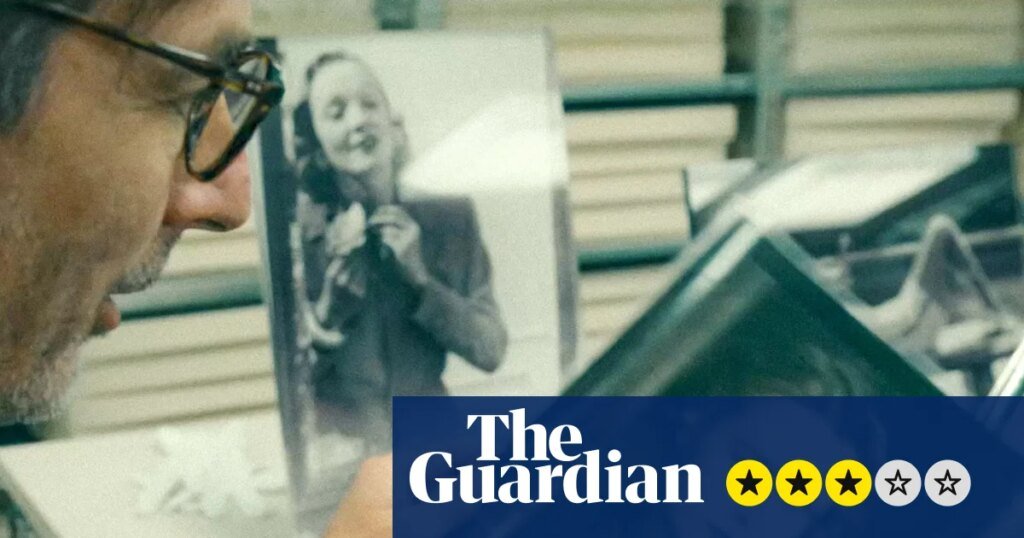
Utilizing a treasure trove of intimate letters, family photographs, and interviews with Pabst’s descendants, the film not only showcases his cinematic achievements but also highlights another pivotal figure: Gertrude Pabst, his wife for over four decades.
A Complicated Legacy
Christlieb’s documentary does not present a glorified depiction of Pabst. Instead, it portrays him as a multifaceted, patriarchal figure. His grandchildren—Marion, Daniel, and Ben—recall a deeply complex relationship, describing their grandfather as distant and imposing, one who elicited fear rather than affection in his sons. While Pabst’s films are celebrated for their strong and independent female leads, he paradoxically stifled Gertrude’s ambitions, discouraging her acting career and compelling her to undergo multiple abortions—seven in total—to safeguard his own professional journey.
Artistry and Personal Struggles
Throughout the documentary, Christlieb draws connections between Pabst’s films and familial tensions, an approach that can sometimes feel contrived. While these cinematic clips showcase the brilliance of Pabst’s work, they may oversimplify the intricate relationship between his art and his life, perhaps overshadowing both his creative depth and the personal struggles faced by those close to him.
The exploration of Marion, Daniel, and Ben’s careers adds an interesting layer but often diverts attention away from Gertrude’s narrative, which arguably deserves more emphasis. Despite these structural challenges, the wealth of archival material in the documentary provides a captivating glimpse into a little-explored facet of this legendary filmmaker.
Final Thoughts
Pandora’s Legacy is set to stream on True Story starting October 2, presenting a distinct perspective on GW Pabst and the hidden complexities within his legacy.
Key Takeaways
- GW Pabst was a pivotal figure in silent cinema, known for empowering female characters in his films.
- The documentary Pandora’s Legacy offers a nuanced look at Pabst’s life through personal documents and family insights.
- Gertrude Pabst played a significant role in Pabst’s life but often sacrificed her own dreams for his success.
- The film explores the tensions between Pabst’s public persona and his private life, adding layers to his legacy.