
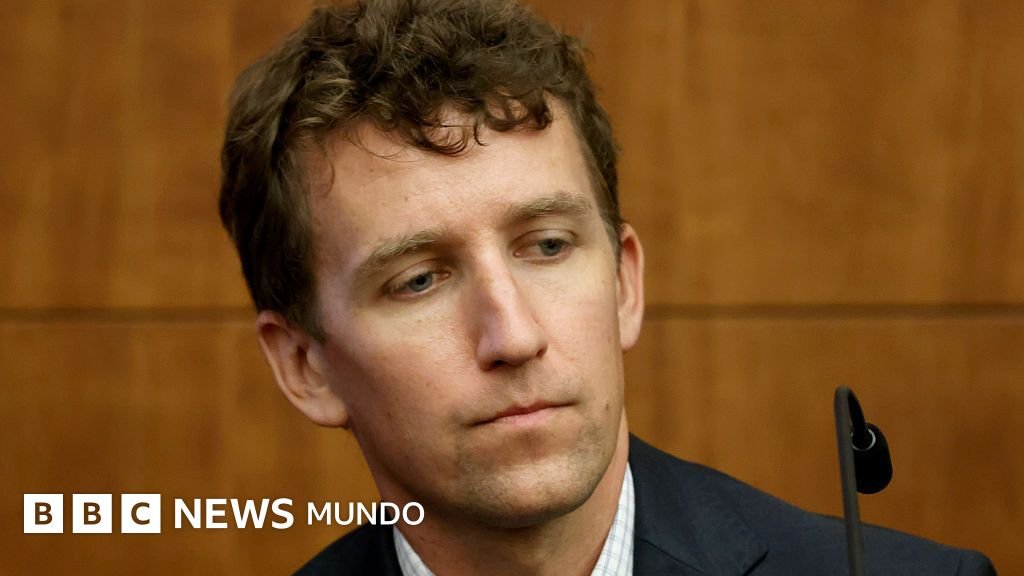
Lindsay Clancy Case: Patrick Clancy’s Journey of Forgiveness
In a heartbreaking and complex case, Patrick Clancy, the father of three children who tragically lost their lives at the hands of their mother, Lindsay Clancy, has opened up about his emotions. His journey through grief and forgiveness highlights the intricate issues surrounding mental health and accountability.
Background of the Case
Patrick Clancy, whose children—Cora, 5, Dawson, 3, and eight-month-old Callan—were killed by their mother, bravely shared his feelings during a recent interview. He expressed that he would feel “internally consumed forever” if he had not chosen to forgive Lindsay. His ex-wife has admitted to committing the acts but her defense team insists she should not be held legally responsible due to serious mental health issues she suffered from.
The Trial’s Outcome
Earlier this month, a judge declared a mistrial after the jury could not reach a unanimous verdict regarding her guilt on charges of murder. Prosecutors allege that on January 24, 2023, Clancy intentionally strangled her children in their Duxbury, Massachusetts home. At 36, Lindsay is now confined to a wheelchair following an attempt to jump out of a second-floor window.
Patrick’s Observations and Struggles
During the trial, Patrick testified about the decline in his ex-wife’s mental health after childbirth. Her defense argued that she was suffering from severe postpartum psychosis, a rare condition that can lead women to experience manic or depressive episodes following delivery. Patrick articulated his struggles, saying, “I didn’t know how to cope with postpartum mental illness. I think mental health can be tragically misleading,” in an interview with CBS.
The Impact of Media and Public Perception
Patrick reflected on how the media’s representation of Lindsay was overwhelmingly negative, with headlines labeling her as a “killer mother” and “monster.” He emphasized that these terms do not capture the reality of her condition: “I believe it was her mental illness that led to that. I expressed those words because if I didn’t reach that point of forgiveness, I would consume myself from within.”
Personal Reflections on Grief
When asked if he felt he had failed during the time leading up to the tragedy, Patrick admitted, “I think I did the best I could with the resources and knowledge I had at that moment. I live with the outcome every day.” These sentiments reveal the depth of his struggle with grief, as he described having suicidal thoughts in the weeks following the tragedy. “I didn’t think I’d reach 35, and I was completely at peace with that idea,” he revealed.
Public Reaction and Moving Forward
Throughout the trial, Patrick faced a hostile online campaign accusing him of complicity in the murders. As he suddenly became a public figure, some media outlets even published photos of him with his new wife, Rachel Danis, further complicating his grief journey. This barrage of speculation became a distraction from what he believes truly matters: the importance of perinatal mental health. “It’s been painful to watch, especially personally. It makes being in public difficult,” he shared.
In search of anonymity, he decided to relocate from Duxbury to New York City. Now, alongside his new wife, Patrick looks forward to sharing stories about his late children. “I think all parents would agree that you have different relationships with each of your kids, but they’re all still your kids. I can’t wait to tell them about their siblings,” he said with hope.
Conclusion
The mistrial has left the case unresolved, with prosecutors yet to announce whether they will seek a retrial. A hearing is scheduled for September 29 at the Plymouth Superior Court in Massachusetts. Patrick Clancy’s story sheds light on the delicate balance between mental health and accountability, as well as the profound depths of grief and forgiveness.
Key Takeaways
- Patrick Clancy has chosen to forgive his ex-wife Lindsay, who is accused of murdering their three children.
- The case highlights the complexities of mental health, particularly postpartum disorders.
- Public scrutiny and media portrayal have significantly affected Patrick’s life and healing journey.
- The trial ended in a mistrial, and the legal situation remains unresolved.