
Impact of Drone Strikes on Global Oil Markets
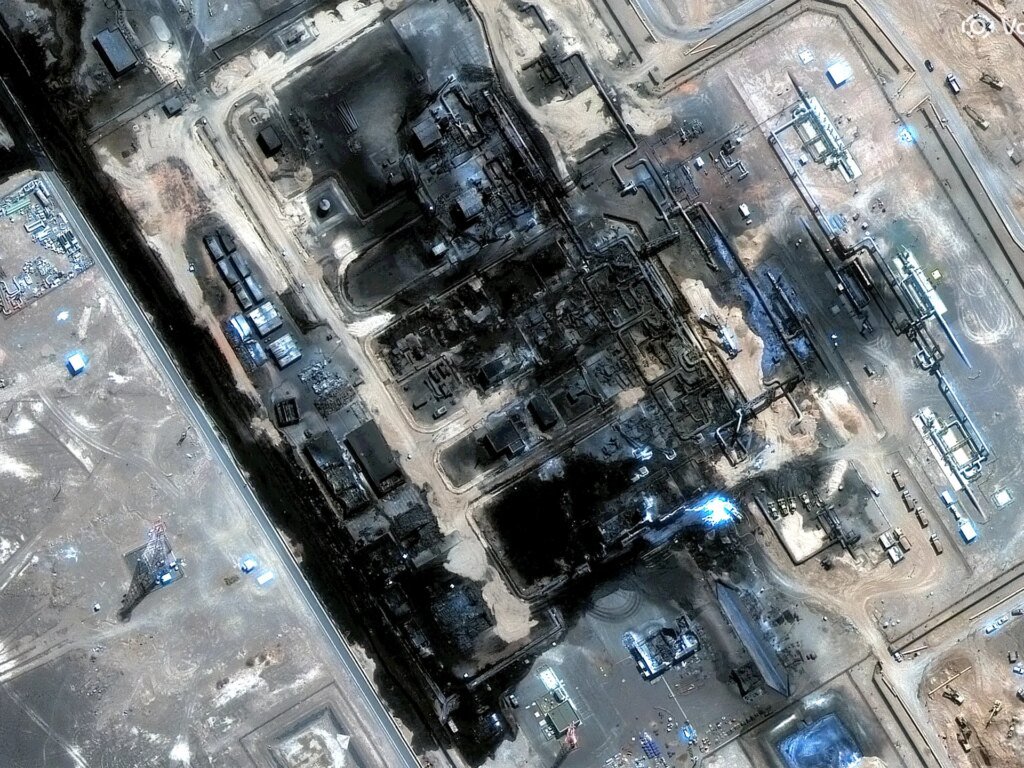
In a significant disruption to global oil supply, drone attacks targeted Saudi Arabia’s crucial East-West oil pipeline last Thursday, leading to an operational halt. This 1,200 km (746-mile) pipeline is vital, transporting approximately 4 to 5 million barrels of oil per day from the eastern oil fields to the Red Sea port of Yanbu, effectively allowing Saudi Arabia to circumvent the increasingly perilous Strait of Hormuz. The recent uptick in tensions due to the ongoing US-Israel conflict with Iran has heightened vulnerabilities, particularly as attacks from Houthi forces in Yemen escalate.
Pipeline Closure and Consequences
The Saudi Ministry of Energy announced the shutdown as a “precautionary” response to the incident, which resulted in infrastructure damage and injuries near Riyadh and Medina. With the Strait of Hormuz experiencing reduced oil flows due to ongoing hostilities, the reliance on the East-West pipeline has intensified. But what will this suspension mean for an already strained global oil market?
Assessing the Damage
The scope of the damage remains uncertain, with varying reports on the timeline for resuming normal pipeline operations. While some sources suggest repairs could take five to six weeks, others believe operations might restart sooner. The drones impacted two separate segments of the pipeline, according to Saudi officials, resulting in both structural damage and personal injuries. Investigations traced the drone launches back to Maysan province in southeastern Iraq, close to Iran’s borders, where Iranian-aligned militias have established a presence.
This strike follows a previous attack near the Saudi-Aramco-ExxonMobil refining facility in Yanbu, which momentarily disrupted oil loading but had minimal long-term effects. Nonetheless, it underscored the vulnerability of Saudi Arabia’s western oil infrastructure.
What is the East-West Pipeline?
Known as the Petroline, the East-West pipeline was established in 1981. This vital conduit runs 1,200 km (745 miles), channeling crude oil from the eastern regions near Abqaiq across the Arabian Peninsula to Yanbu on the Red Sea. The pipeline can handle a maximum capacity of 7 million bpd, although recent statistics indicate that actual crude flows have been lower, hovering around 2 million bpd in August — the lowest monthly figure recorded since January. This drop stems from increasing Houthi attacks, complicating the use of the Red Sea route.
In the initial months of the ongoing conflict, Saudi Arabia escalated crude shipments westward, reaching between 4 to 5 million bpd. This flow accounts for about 4 to 5 percent of global oil supply, allowing the kingdom to bypass the dangers of the Strait of Hormuz amid escalating tensions.
The Stakes in the Global Oil Market
The closure of the East-West pipeline could not come at a more critical juncture for the global oil market. Prior to the onset of conflict, over a fifth of the world’s oil, approximately 20 million bpd, passed through the Strait of Hormuz. Current estimates from industry insiders indicate this figure has plummeted to between 6 and 9 million bpd.
To counteract the reduced flow, Saudi Arabia is diverting more crude oil towards the Red Sea. However, this strategy hinges on the safe transit of stored oil, tankers, and the operational status of the pipeline, all of which are at heightened risk due to ongoing conflicts. According to some sources, should the pipeline remain shut, existing stocks in Yanbu could support exports for about five to seven days. Moreover, additional supplies could be drawn from Egyptian facilities, yet this serves only as a temporary buffer as global inventories have already dwindled significantly. The International Energy Agency reported that Saudi oil supply reached its lowest point in over 30 years in August as disruptions from Hormuz and the Red Sea unfolded. The agency projected a decline in world oil supplies by around 5.7 million bpd for the year, representing a drop of 6 percent in overall supply.
So far, oil prices have stabilized thanks to stockpiles and strategic reserve releases, with Brent crude hovering between $70 and $90 lately. However, if regional disruptions persist, depleting reserves could lead to a significant price increase. Analysts have warned that if stocks reach critically low levels, Brent prices might surge to $150 per barrel.
If extensive damage occurs to the pipeline, and ongoing threats continue to jeopardize operations at Yanbu, Saudi Arabia may find it increasingly challenging to make up for lost exports from the Gulf. Economic analysts, such as those at Gavekal Research, stress that if Yanbu — managing more than one million bpd — goes offline due to risks from Houthi drone attacks, it could spell disaster for the global market, especially at a time when refining capacity is already stretched thin.
Conclusion
The recent drone attacks on Saudi Arabia’s East-West pipeline have introduced serious uncertainties in an already delicate global oil market. As operators assess damage and repairs, the implications for oil prices and supply lines remain a pressing concern for countries around the world.
Key Takeaways
- The East-West pipeline is critical for Saudi oil exports, transporting 4 to 5 million bpd.
- The shutdown is a response to drone attacks, with potential repair timelines varying significantly.
- Global oil supply may face further reductions amid increased tensions in the region.
- Continued disruption could lead to a significant rise in oil prices if reserves are depleted.