
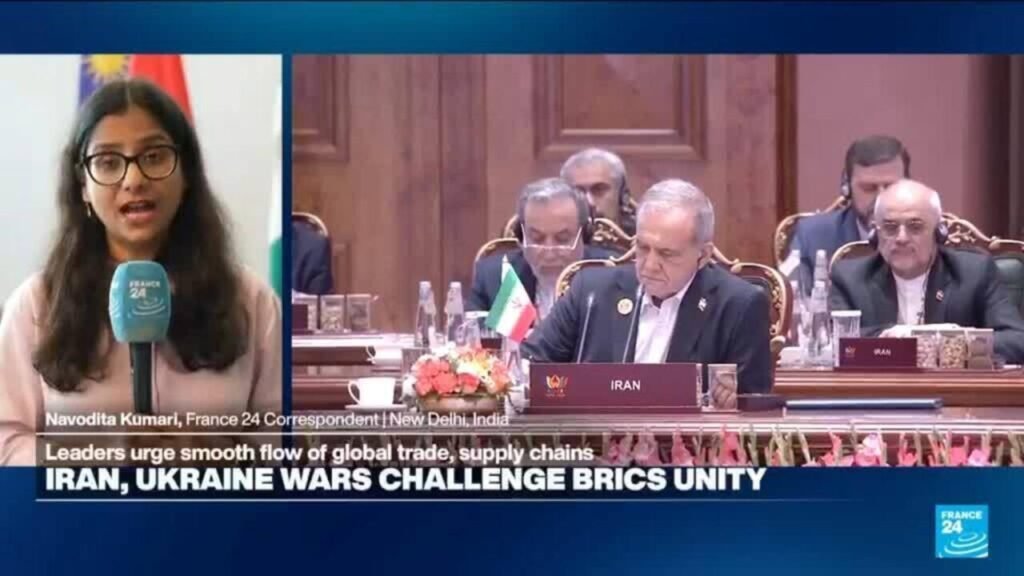
BRICS Summit in New Delhi: A Call for Greater Global Influence
The recent BRICS summit in New Delhi concluded with a unanimous declaration emphasizing the necessity for enhanced representation of the Global South in international governance. The leaders also urged diplomatic restraint concerning ongoing tensions in the Middle East. This significant gathering not only made headway on these crucial issues but also provided a unique opportunity for one-on-one diplomatic engagements among the attending leaders, aimed at calming regional disputes. Here’s a closer look at the outcomes of the summit.
Strengthening the Global South
At the forefront of discussions during the summit was the quest to amplify the voice of the Global South within global decision-making frameworks. The BRICS nations—Brazil, Russia, India, China, and South Africa—collectively called for reforms in institutions like the United Nations to ensure that developing countries have a more substantial say in international matters. This move is seen as essential for achieving a more equitable global governance system.
Bilateral Meetings Foster Diplomacy
Alongside the broader discussions, the summit featured multiple bilateral meetings between leaders, which were instrumental in addressing specific regional tensions. These face-to-face dialogues allowed for the exploration of solutions tailored to individual country concerns, reaffirming the commitment to peaceful resolutions through diplomacy.
Middle East Tensions
Leading the conversation was the situation in the Middle East, where leaders expressed hope for restraint and dialogue among conflicting parties. The BRICS declaration underscored the need for diplomatic efforts to mitigate the ongoing strife in the region, reflecting a unified stance on the importance of peace and stability.
Conclusion
The BRICS summit in New Delhi not only highlighted the aspiration for a more influential role for the Global South but also showcased the importance of direct diplomatic engagements in resolving regional conflicts. As these nations continue to assert themselves on the global stage, their collective actions may pave the way for meaningful change in international relations.
- The BRICS summit called for greater representation of the Global South in global governance.
- Leaders engaged in bilateral meetings to ease tensions, particularly in the Middle East.
- The summit’s outcomes signal a growing influence of developing countries on the world stage.
- Diplomacy remains a key focus for addressing regional conflicts and fostering peace.