
Understanding the Impact of Climate Change on Glacier Dynamics
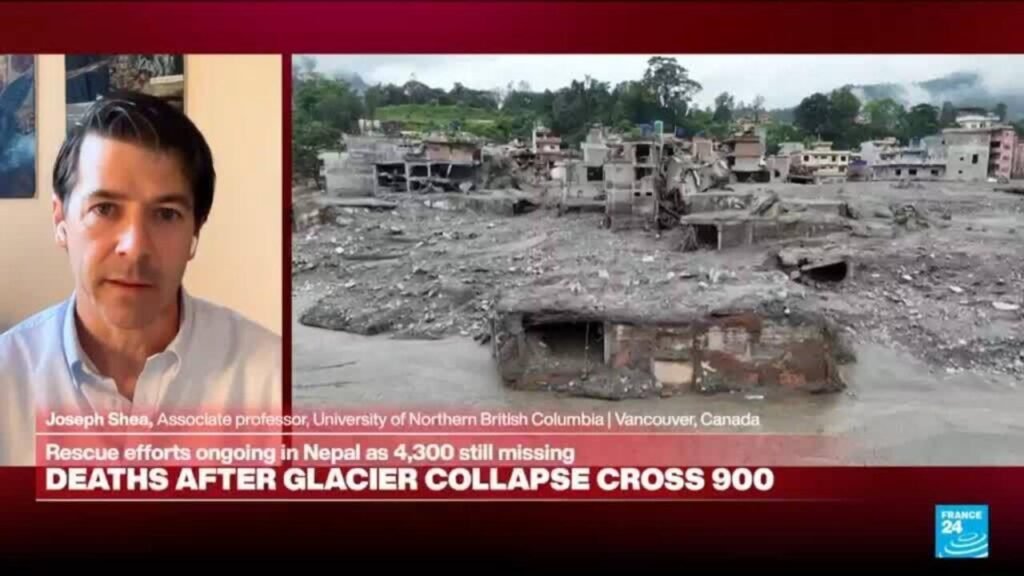
In this insightful discussion, Annette Young is joined by Joseph Shea, a glaciologist and Associate Professor at the University of Northern British Columbia. Shea emphasizes the importance of viewing recent catastrophic events as intricate combinations of factors—in this case, a simultaneous glacier failure and a significant landslide. His research contributes to the larger narrative of how climate change is reshaping the Himalayas and highlights the necessity for scientists to pinpoint early indicators of rare yet potentially catastrophic cascading hazards.
The Compound Nature of Catastrophic Events
Joseph Shea’s analysis goes beyond surface-level observations, urging us to understand disasters like these as complex occurrences comprised of multiple environmental factors. Rather than viewing them as isolated incidents, Shea suggests that both glacier collapses and landslides are symptoms of broader climatic changes. Together, they form a compound event that can have devastating consequences for surrounding areas.
Climate Change and the Himalayas
The Himalayas are undergoing significant transformations due to rising temperatures. As the planet warms, glaciers are melting at an unprecedented rate, altering the landscape and increasing the risk of natural disasters. Shea’s research highlights that scientists may need to adapt their methodologies to detect early warning signs, focusing on subtle environmental changes that could precede major hazards. This proactive approach could help mitigate risks associated with these cascading events.
The Need for Awareness and Research
Shea’s insights call attention to the critical role of awareness and ongoing research in the face of climate change. As the dynamics of high-mountain environments shift, it becomes essential for glaciologists and other scientists to develop frameworks that can handle the complexities of these natural systems. By understanding the interactions between glacial movements and geological events, researchers can better predict and respond to future disasters.
Looking Ahead
The evolving landscape of the Himalayas serves as a stark reminder of how interconnected our ecosystems are and the profound effects of climate change. As we move forward, it is vital for scientific communities to remain vigilant, continuously adapting and refining their research methodologies. Identifying early indicators of potential hazards can be a game-changer in disaster prevention.
- Joseph Shea emphasizes understanding events like glacier failures as compound disasters.
- Climate change is rapidly transforming the Himalayas, increasing disaster risks.
- Identifying early indicators is crucial for predicting cascading hazards.
- Ongoing research and awareness are essential in combating climate-related risks.