
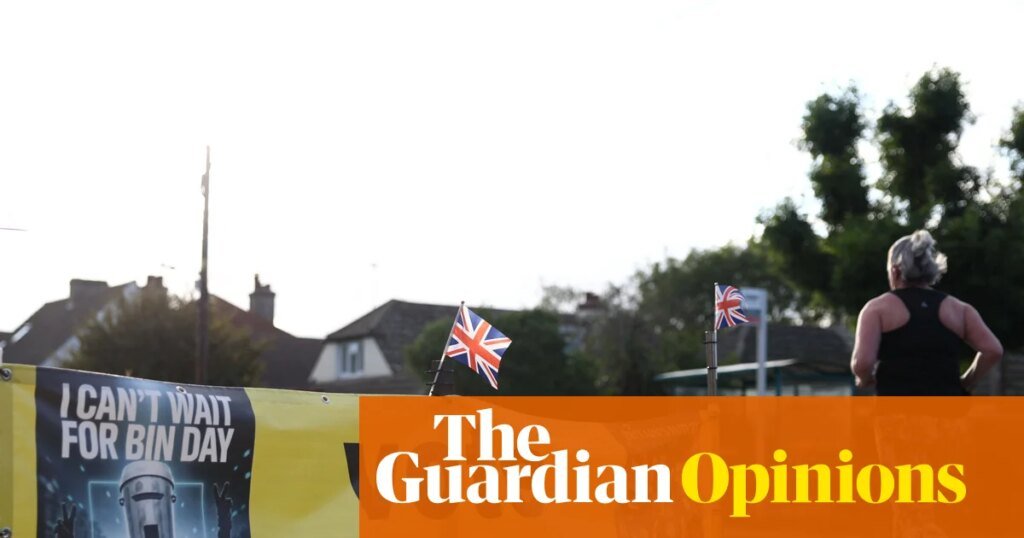
Clacton Byelection: A Serious Choice Amidst a Circus
The political scene in the UK has been overwhelming lately, particularly with the turmoil surrounding the current government and the unpredictable happenings in the US. As the nation gears up for the upcoming byelection following the resignation of Reform UK leader Nigel Farage, many might view the situation as comedic. However, this perception could be unfair to the constituents of Clacton, who are being faced with a potentially trivializing decision come August 13—choosing between Farage and the unconventional candidate Count Binface.
The Landscape of Clacton’s Byelection
Outside the bounds of Clacton, most people appear to have formed their opinions. Aside from the diehard supporters of Reform UK, there’s a tendency to rally behind Binface. A significant media campaign is underway aiming to turn this election into a spectacle, hoping voters will embarrass Farage in the process. A recent segment on BBC Radio 4 even equated Binface’s run to a longstanding tradition of British political satire, dating back to biblical parables.
A Misconstrued Election
However, this byelection isn’t merely a duel between two contenders. There are actually 34 candidates on the ballot, including John Stevens of the Rejoin EU party, who is running a robust campaign across the constituency. A former Conservative Member of the European Parliament, Stevens advocates for those in Clacton who oppose Farage and Brexit, urging them to have their voices heard.
The Ground Campaign
During my visit, I observed Stevens and his dedicated team as they distributed leaflets in various neighborhoods. Despite the strategic choices based on social media data, the sentiments shared by residents were telling. In both the refined streets of Frinton-on-Sea and the newer housing developments nearby, there was notable disenchantment with Farage and an overwhelming belief that Brexit had fallen short of its promises.
Voices of Dissent
It’s essential to note that not everyone believed Brexit was a bad idea or solely blamed Farage for its fallout. Many were hesitant about rejoining the EU and concerned about the financial implications. Nevertheless, a common thread emerged: many individuals felt uncomfortable using their vote against Farage through Binface, viewing the situation not as a joke but as a serious matter that reflected poorly on their community and on the country as a whole.
The Polling Dynamics
Recent survey data indicated that a mere 25% of voters hold positive views towards joke candidates, with the number dropping to just 13% among Conservative voters. Given that Clacton was previously a stronghold for the Tory party, the reliance on a humorous candidate to take down Farage may lead to disappointment for pro-Europeans.
The Challenge of Voting
While it’s simple to express a desire to cast a protest vote in a survey, the reality of heading to the polls is different. Binface lacks an active ground campaign to mobilize votes, in contrast to Stevens’ organized efforts.
The Internal Division
Interestingly, the most substantial pushback against Stevens comes from other pro-European supporters who believe he might dilute the anti-Farage stance. They view a vote for Rejoin EU as a loss for Binface, instead of recognizing it as a legitimate choice for those who may not have planned to vote at all. Some influential pro-Europeans have chosen to overlook Stevens’ candidacy, even chastising him for promoting a cause he has dedicated his career to, particularly during an election that lacks representation from major parties.
The Missed Opportunity
This perspective seems short-sighted. The reluctance to publicly advocate for pro-European views raises questions about the current strength of this movement in the UK. If proponents of reversing Brexit cannot confidently present their arguments in public, how can they expect to shift the political narrative? With many expressing frustration at the lack of ambition from political figures, the fear of engaging in meaningful debate is baffling.
The Road Ahead
Current observations suggest that the plethora of Reform UK signage throughout Clacton indicates a likely victory for Farage in this byelection. A show of support for Rejoin EU in a place traditionally loyal to the Tories would at least convey a message that cannot be ignored. A vote rooted in media hype for Binface, however, would convey no substantial insights regarding Farage, Clacton, or the broader UK landscape. Ultimately, the joke would wear thin and leave all voters in a precarious position.
Conclusion
The Clacton byelection presents voters with a crucial decision. It’s more than just a humorous escapade; it’s an opportunity for constituents to voice their true sentiments and impact the larger political discourse. While the comedic aspect might attract attention, the serious elements of the election should ultimately prevail.
Key Takeaways
- The Clacton byelection combines serious political choices with a comedic twist.
- John Stevens represents a professional campaign challenging Farage and providing a voice for pro-Europeans.
- Public sentiment in Clacton shows discontent towards both Farage and Brexit.
- A vote for novelty candidates may not be as powerful as supporters hope in truly addressing political concerns.