
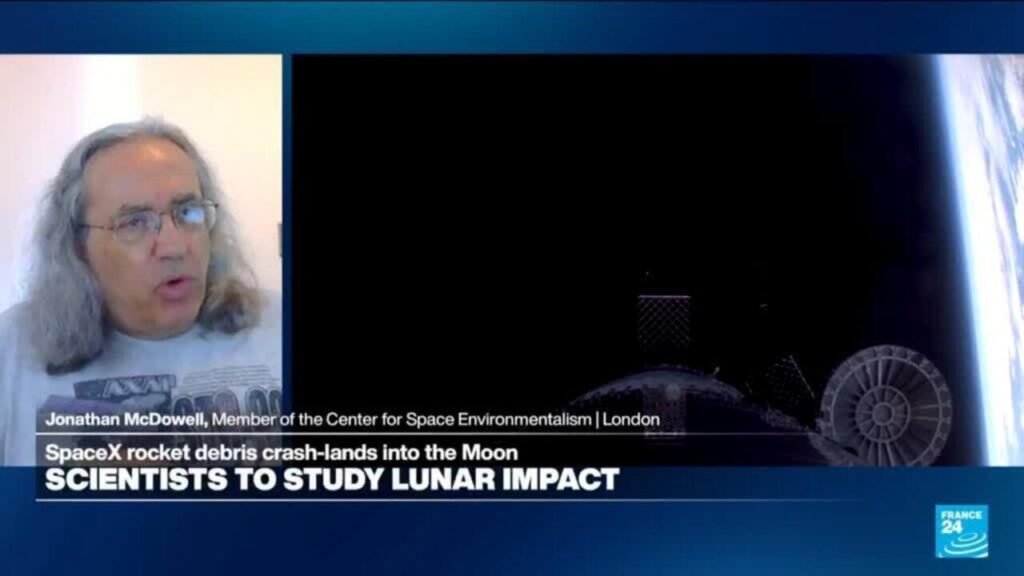
Exploring the New Challenges of Space Sustainability with Jonathan McDowell
Carys Garland is excited to introduce Jonathan McDowell, an esteemed Astrophysicist, Space Sustainability Analyst, and Spaceflight Historian from the Durham University Space Research Centre (SPARC). As we embark on a fresh chapter of continuous lunar operations and broader space exploration, a recent incident involving a four-ton SpaceX rocket stage colliding with the Moon raises questions about how we manage our expanding footprint in outer space. This incident is not just a matter of technical details; it opens the door to an important conversation about sustainability, risk management, and the need for international collaboration.
The Incident and Its Implications
While the recent impact on the Moon did not pose any threat to our planet, it highlights a critical issue: the unregulated space infrastructure could endanger future astronauts, scientific research, and the overall viability of lunar missions. McDowell encourages us to look beyond the immediate aftermath of the collision and consider broader implications for sustainable exploration.
Understanding Space Infrastructure Risks
The collision of the SpaceX rocket stage serves as a stark reminder of the increasing clutter in our solar neighborhood. As mankind ventures deeper into space, the need for managing debris and potential collisions becomes more pressing. It’s not just about operating spacecraft; it’s also about adopting a mindset of stewardship for celestial environments.
The Call for International Coordination
So, what can be done to address these critical challenges? McDowell advocates for enhanced international collaboration to set comprehensive guidelines for space activities. Just like countries regulate airspace, we’ll need a cooperative framework for outer space that ensures safety for all explorers and researchers. There’s immense potential for sustainable practices through shared responsibilities and best practices among nations.
Looking Ahead: The Future of Lunar Exploration
The future of lunar exploration is both exciting and fraught with challenges. By recognizing the risks associated with unmanaged space activities, we can lay the groundwork for a safer and more sustainable approach to exploration. McDowell’s insights urge us not only to innovate in technology but also to cultivate a culture of responsibility among spacefaring nations.
Conclusion
In conclusion, as we venture further into the cosmos, it’s crucial that we address the sustainability of our activities. The recent lunar impact serves as a wake-up call, highlighting the need for collective action and management strategies. By fostering international cooperation, we can ensure that our exploration efforts benefit not just humanity today but also future generations.
Key Takeaways
- The four-ton SpaceX rocket stage collision emphasizes the need for responsible space management.
- Unregulated space infrastructure poses risks to future missions and lunar exploration.
- International collaboration is essential for developing effective guidelines for space activities.
- Emphasizing sustainability in space exploration can help ensure the long-term viability of efforts beyond Earth.