
Understanding the Implications of the Strait of Hormuz Situation
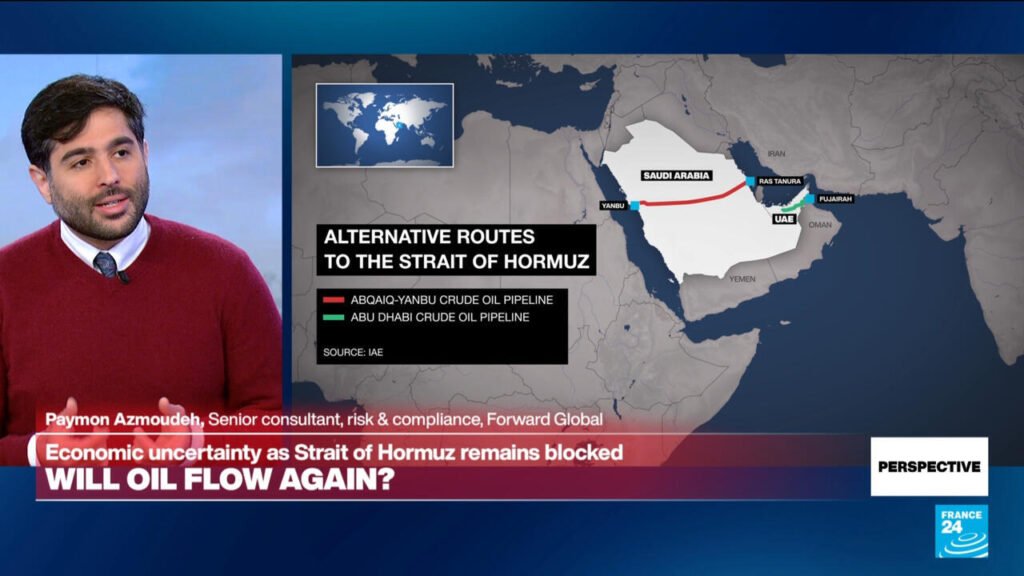
In this article, we delve into the insights from a risk management analyst regarding the ongoing situation in the Strait of Hormuz. Paymon Azmoudeh, a senior consultant specializing in risk and compliance, shares his perspectives on what it means for the region if the ceasefire holds while the economic stalemate persists.
The Current Situation
The Strait of Hormuz plays a crucial role in global oil transportation, and its closure raises significant concerns for international stability. With a ceasefire in effect, there are questions about what will happen next if the status quo continues.
Ceasefire vs. Economic Impasse
Azmoudeh suggests that all parties involved recognize that a return to armed conflict would not serve anyone’s interests. This acknowledgment establishes a framework whereby the ceasefire can remain in place, despite the underlying economic challenges that continue to affect the region. The ongoing economic impasse presents daily struggles for those reliant on trade routes and oil exports.
Potential Outcomes
Several scenarios could unfold if the current situation persists. Key considerations include:
- The likelihood of increased diplomatic negotiations to resolve underlying tensions.
- The possibility of economic sanctions being lifted or modified, allowing for improved trade.
- The chance of broader regional cooperation among stakeholders seeking stability.
The Broader Impact
The implications of keeping the Strait of Hormuz effectively closed extend beyond just immediate conflicts. An enduring ceasefire coupled with economic stagnation could lead to long-term shifts in global energy markets and international relations.
Conclusion
The insights from Paymon Azmoudeh underscore a cautious optimism regarding the status quo in the Strait of Hormuz. While the ceasefire holds, the ongoing economic disputes remind us of the fragility of peace in the region. Stakeholders must navigate these complexities carefully to avoid slipping into renewed conflict.
Key Takeaways
- The Strait of Hormuz remains crucial for global commerce, particularly oil trade.
- The ceasefire is currently holding, with all parties recognizing that war benefits no one.
- Continued economic tensions pose risks despite the absence of armed conflict.
- Potential diplomatic breakthroughs could alter the economic landscape in the region.