
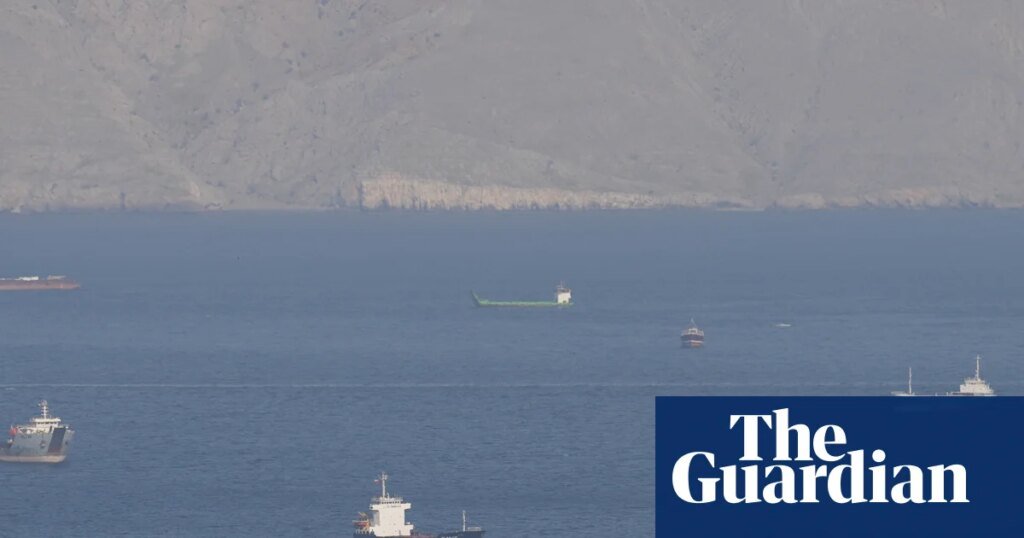
Iran’s Control Over the Strait of Hormuz: Recent Developments
Iranian officials have recently declared a significant shift in their stance regarding the Strait of Hormuz, a critical shipping route for global oil. Following a statement from the United States about its ongoing blockade of Iranian ports, Iran has decided to reinstate restrictions on this vital passage. This decision follows reports of an incident involving Iranian Revolutionary Guards Corps (IRGC) vessels firing at a tanker attempting to navigate through the strait.
Reinstatement of Restrictions
The Khatam al-Anbiya joint military command of Iran announced that the Strait of Hormuz has reverted to its “previous status,” now under stringent military oversight. This new order means tighter controls on maritime operations in the region.
Conditions for Navigational Freedom
Iran has clearly stated that these restrictions will remain in place unless the United States “ensures full freedom of navigation” for vessels operating between Iran and other destinations. Deputy Foreign Minister Saeed Khatibzadeh and the IRGC’s naval command both emphasized this point during their communications with the media.
Khatibzadeh, speaking at a diplomatic forum in Antalya, highlighted that the U.S. cannot impose its will to isolate Iran while the country strives to maintain secure passage through the strait.
IRGC’s Stance on Maritime Security
The IRGC’s naval command made their position clear in a post on X, stating that as long as maritime activities involving Iran are threatened, the situation at the Strait of Hormuz will remain unchanged. They warned that any violations by the United States would prompt a fitting response from Iran.
Background of the Closure
The strait had been officially closed by Iran starting on March 4 in reaction to U.S.-Israeli airstrikes. It was subsequently reopened briefly on a recent Friday after a temporary ceasefire agreement was reached involving Israel and Lebanon. This effort forms part of broader negotiations aimed at achieving regional peace.
Incident Involving Tanker
According to the UK’s Maritime Trade Operations Centre, a tanker reported being approached and fired upon by two IRGC gunboats about 20 nautical miles northeast of Oman. The captain stated that there was no prior radio warning. Fortunately, both the tanker and its crew were reported safe, and an investigation into the incident is currently underway.
U.S. Response and Future Negotiations
The announcement of Iran’s policy change came shortly after statements from U.S. President Donald Trump, who indicated that American blockades would remain until a permanent peace deal with Tehran was established. He also noted the possibility that a temporary ceasefire, brokered by Pakistan, may not be continued after it expires on Wednesday.
As both U.S. and Iranian delegations prepare for a second round of peace discussions, the timing remains uncertain. Egyptian Foreign Minister Badr Abdelatty expressed optimism about reaching an agreement soon, noting the suffering caused by the ongoing conflict not just in the region, but worldwide.
Impact of the Strait of Hormuz Closure
Before Iran’s latest decision, at least eight oil and gas tankers successfully passed through the strait during the brief period it was open. The Strait of Hormuz is a crucial passage, with about 20% of the world’s oil and liquefied natural gas flowing through it, making its security vital for global energy markets. Disruptions in this area have historically led to increased energy prices around the world.
Conclusion
The developments regarding Iran’s management of the Strait of Hormuz highlight ongoing tensions between Iran and the United States, with significant implications for global oil supply and international relations. As negotiations continue, the situation remains fluid and closely monitored by global markets.
Key Takeaways
- Iran has reinstated restrictions on the Strait of Hormuz amid ongoing U.S. blockades.
- The IRGC has issued warnings of repercussions for any threats to shipping routes.
- Significant incidents involving tankers indicate heightened tensions in the region.
- Negotiations between U.S. and Iranian officials are ongoing, with hopes for a peace deal.