
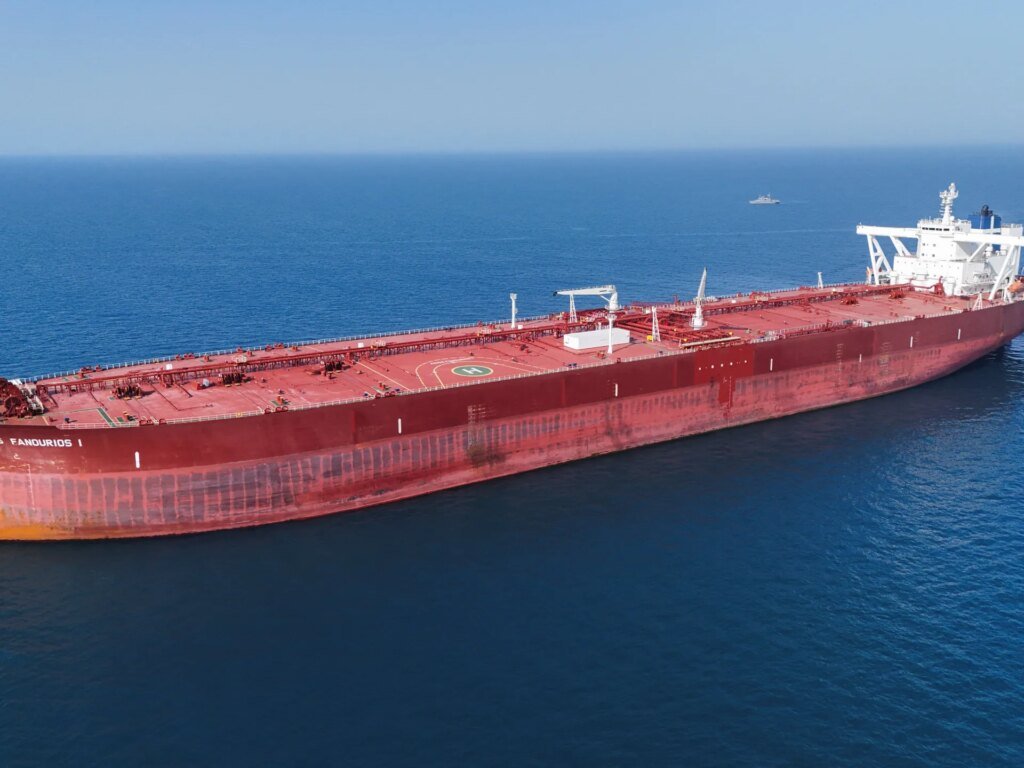
Brent Crude Oil Prices Plummet Amidst Strait of Hormuz Developments
In recent days, Brent crude oil experienced a significant drop of over 9 percent, reaching a low not seen in weeks. This decline can be attributed to Iran’s announcement regarding the reopening of the crucial Strait of Hormuz during a ceasefire period in Lebanon, coupled with expectations set by US President Donald Trump about reaching a peace agreement soon.
The Fluctuation in Oil Prices
On Friday, Brent crude, the global oil benchmark, fell to $90.38 a barrel, dipping below the $91 mark for the first time since early March. This significant decline was prompted by Iranian Foreign Minister Abbas Araghchi’s statement that the strait was “completely open” for navigation throughout a 10-day ceasefire that began on Friday between Israel and Lebanon.
Trump’s Statements
With the announcement of the strait’s reopening, President Trump remarked that the waterway was “ready for business and full passage.” However, he noted that the US Navy would maintain its blockade of Iranian ports until a peace deal was finalized. This complicated situation contributed to the fluctuating oil prices.
Iran’s Reversal
On Saturday, Iran slightly changed its stance, indicating that the Strait of Hormuz would be closed again if the US blockade on its ports remained in place. This shift came in response to Trump’s comments about keeping the blockade “in full force” until a negotiation on various issues, including Iran’s nuclear program, was achieved.
The Importance of the Strait of Hormuz
The Strait of Hormuz is a vital passageway for global oil transport, with approximately 20% of the world’s oil traversing through it. Any restrictions on passage would further tighten an already stressed oil supply and likely lead to increased prices.
Efforts for Negotiations
In the midst of these escalating tensions, officials from Pakistan are reportedly seeking to facilitate dialogue between the US and Iran ahead of the April 22 ceasefire deadline. This could potentially ease the rising tensions affecting oil supply.
Current Shipping Activity
Despite the uncertainty, tracking data displayed by MarineTraffic indicated a surge in vessel movements across the strait, situated between Iran, the United Arab Emirates, and Oman. Analyst Michelle Wiese Bockmann from maritime intelligence firm Windward stated, “It’s busy out there, the busiest I’ve seen it since the Strait of Hormuz was effectively closed at the beginning of the war.” This return to shipping activity marks a notable change after a prolonged period of restricted transit.
Conclusion
The situation surrounding the Strait of Hormuz remains fluid, affecting global oil prices significantly. While temporary openings have been reported, the overarching tension and the ongoing US blockade create continued uncertainty in the market. The delicate dynamics between nations heavily influence global energy stability.
Key Takeaways:
- Brent crude oil dropped over 9% after Iran announced the Strait of Hormuz was open for navigation.
- President Trump’s remarks highlighted ongoing US blockades affecting Iranian ports.
- The Strait of Hormuz is crucial for global oil transport, impacting supply and pricing.
- Shipping activity has increased despite previous restrictions, suggesting fluctuating conditions.