
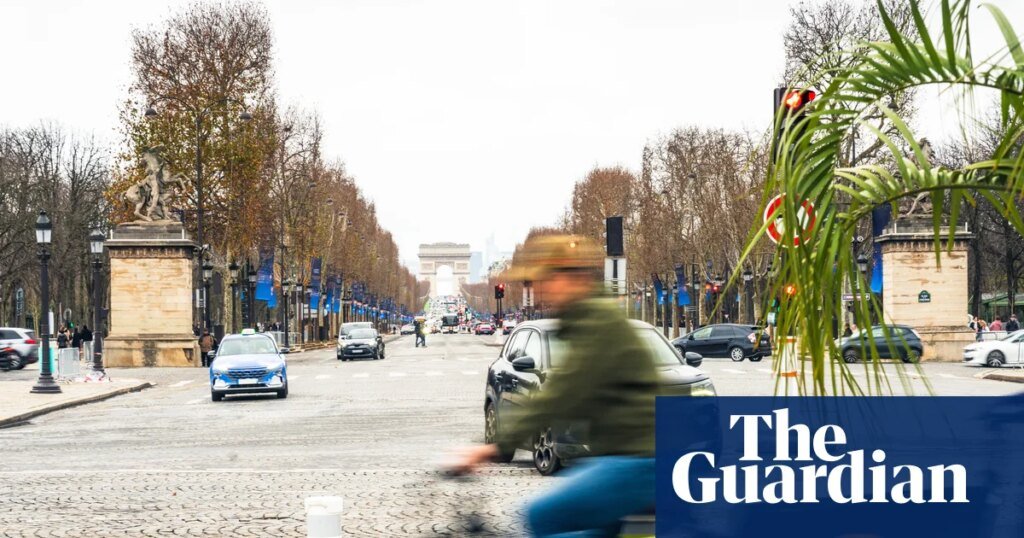
Transforming Paris: A Bold Step Toward Cyclist-Friendly Urban Living
When Corentin Roudaut relocated to Paris a decade ago, he felt an overwhelming fear of cycling in the bustling city. Although he used to bike frequently during his student years in Rennes, the chaotic traffic and lack of safety for cyclists made him hesitant. However, everything changed when the city established a dedicated bike lane on Boulevard Voltaire, reopening the world of cycling for Roudaut. Currently, he dedicates his time to volunteering with Paris en Selle, a cycling advocacy group, and he has been amazed at how Paris has shifted away from its car-dominated image.
The Transformation of Paris
Under the leadership of Mayor Anne Hidalgo since 2014, Paris has undergone a significant transformation. This includes planting 155,000 trees, extending hundreds of kilometers of bike lanes, making 300 school streets pedestrian-friendly, and prohibiting cars along the banks of the Seine River. The city has converted parking spaces into green areas and outdoor seating for cafes. As a result, parents feel safer while walking their children to school, knowing they don’t have to fear for their safety in traffic.
Ambition and Challenges
As Hidalgo’s tenure comes to a close, her initiatives to create a more livable Paris have become a model for other progressive European cities, especially as many national governments move away from green policies. Roudaut advises those in leadership roles to embrace ambition, referencing a visit by German Green Party officials who looked to understand Paris’s successes, particularly in areas where Berlin has struggled.
“Look at what Paris has done, it’s so amazing,” said Roudaut, reflecting on the city’s achievements.
Mixed Reactions from Residents
Not everyone in Paris shares Roudaut’s enthusiasm. The drive for safer streets has sometimes resulted in a loss of space for cars, leading to tension with motorists. Recent referendums on increased parking fees for SUVs and further pedestrianization initiatives saw disappointing voter turnout. Opposition candidate Rachida Dati openly criticized the public space management as “anxiety-inducing,” although she stopped short of suggesting a rollback of current policies.
Hidalgo’s Legacy
In a recent interview, Hidalgo described the process of pedestrianizing riverbanks as a significant battle, yet one that has yielded lasting change. “Now, generations of children have not experienced cars in that space,” she noted. There’s a growing sentiment among Parisians that, despite any challenges, returning to the past is not an option.
The Importance of Courage in Leadership
Experts believe that the city’s unique administrative setup, which limits commuter suburb influence over transport issues, has aided its transformation. Previous mayors also laid essential groundwork, but it took bold leadership to initiate changes that might upset car owners.
Continuing the Momentum
The introduction of car bans along the Seine in 2016 aimed to combat pollution while providing a safer environment for cyclists. As environmental epidemiologist Audrey de Nazelle remarked, the current changes are significant, but further actions are necessary. “What’s missing in the rest of the world is courage,” she pointed out, hoping other city leaders recognize the potential for transformative legacies.
Paris Among Global Leaders in Air Quality
A recent report highlighted Paris as one of 19 global cities to achieve notable reductions in harmful air pollutants between 2010 and 2024. While better air quality has been documented in some nearby cities, Paris is gradually catching up with progressive cycling infrastructure initiatives.
The Road Ahead
Despite the positive changes within the city, the suburbs remain car-dominated, presenting ongoing challenges. Research by the think tank Terra Nova indicates that successfully reshaping the Boulevard Périphérique would be crucial in transforming Paris into a truly post-car metropolis. A comprehensive network of bike lanes is essential, and some experts suggest that enhancing connectivity between the various parts of the metropolitan area will bridge the gap between urban spaces.
Conclusion
Paris’s journey toward becoming a cyclist-friendly city is a prime example of how ambitious policies can reshape urban life. As it continues down this transformative path, the city is poised to inspire others worldwide, reaffirming the notion that courage in leadership can lead to profound change.
Key Takeaways
- The addition of bike lanes and public spaces has significantly improved urban life in Paris.
- Resistance remains from some motorists, highlighting the challenges of urban transformation.
- Supportive policies and courageous leadership are vital for creating a sustainable city.
- Suburban areas still need attention to fully realize the vision of a connected, pedestrian-friendly city.