
Political Trial of Civil Society Leaders Raises Concerns
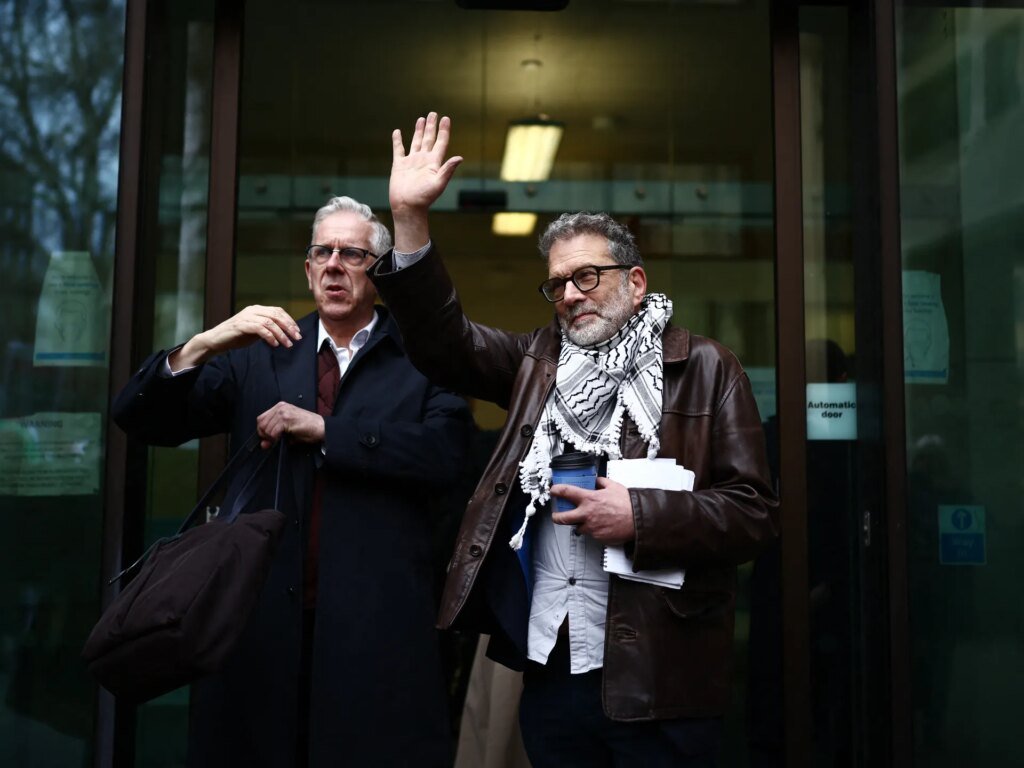
In a significant ruling, two prominent civil society figures have been convicted of violating protest regulations during a pro-Palestine demonstration in London last year. Ben Jamal, the director of the Palestine Solidarity Campaign, and Chris Nineham, vice chairman of the Stop the War Coalition, have been accused of failing to adhere to police-mandated protest boundaries. This decision has ignited controversy and accusations of political motives aimed at suppressing dissent.
The Verdict
On April 1, 2026, Jamal, 62, and Nineham, 63, faced judgment in Westminster Magistrates’ Court concerning their conduct during a mass protest held on January 18, 2025. The pair were found guilty of not remaining within the specified area outlined by the authorities and crossing into zones near the British Broadcasting Corporation’s headquarters.
Furthermore, Jamal received additional convictions for allegedly inciting fellow demonstrators to disregard police conditions. Law enforcement had previously put in place restrictions to prevent the pro-Palestine march from gathering near a local synagogue, citing safety concerns.
Judicial Statements
The judges highlighted the defendants’ awareness of the protest conditions due to their roles in organizing the event. “Mr. Jamal’s speeches amounted to incitement, suggesting and encouraging participants to breach the imposed restrictions,” stated the judges during their summary.
Supporters filled the public gallery during the verdict announcement, including notable figures like former Labour Party leader Jeremy Corbyn.
Response from Civil Society
In response, Jamal’s Palestine Solidarity Campaign emphasized that their struggle continues despite the court’s “disgraceful decision.” They reaffirmed the importance of the right to protest, stating, “Today’s verdict sends shockwaves through civil society; the fight is far from over.”
Yasmine Ahmed, Human Rights Watch’s UK director, criticized the ruling as a politically motivated act intended to intimidate those who support Palestine. She remarked, “This verdict reveals the extent of governmental powers to suppress dissent through increasingly oppressive anti-protest laws. It reflects poorly on British democracy and should cause embarrassment for a prime minister who has championed human rights.”
Upcoming Protests and Ongoing Tension
On April 11, more protesters are anticipated to gather in London in support of Palestine Action, a direct action group facing numerous legal challenges. Across the UK, thousands have participated in peaceful protests against perceived injustices, with protests often featuring signs declaring, “I oppose genocide, I support Palestine Action.” Since the onset of the conflict in Gaza in October 2023, public support for Palestine has surged, drawing significant crowds to demonstrations.
Human Rights Watch has pointed out a concerning trend, noting “disproportionate targeting” of those protesting in favor of Palestine, which adversely affects citizens’ ability to express their views without fear of repercussion.
Conclusion
This ruling against Ben Jamal and Chris Nineham has sparked a vital conversation concerning the right to protest and the growing tensions between civil liberties and law enforcement in the UK. As the situation unfolds, it remains essential to watch how these developments affect the broader Palestine solidarity movement and civil rights as a whole.
Key Takeaways
- Ben Jamal and Chris Nineham were convicted for violating protest guidelines during a pro-Palestine demonstration.
- The ruling is viewed by many as an attempt to silence dissent against the UK government’s stance on Palestine.
- Human Rights Watch criticizes the increasing repression of protests and freedom of expression.
- Future protests are planned, continuing the conversation around civil liberties and political expression.