
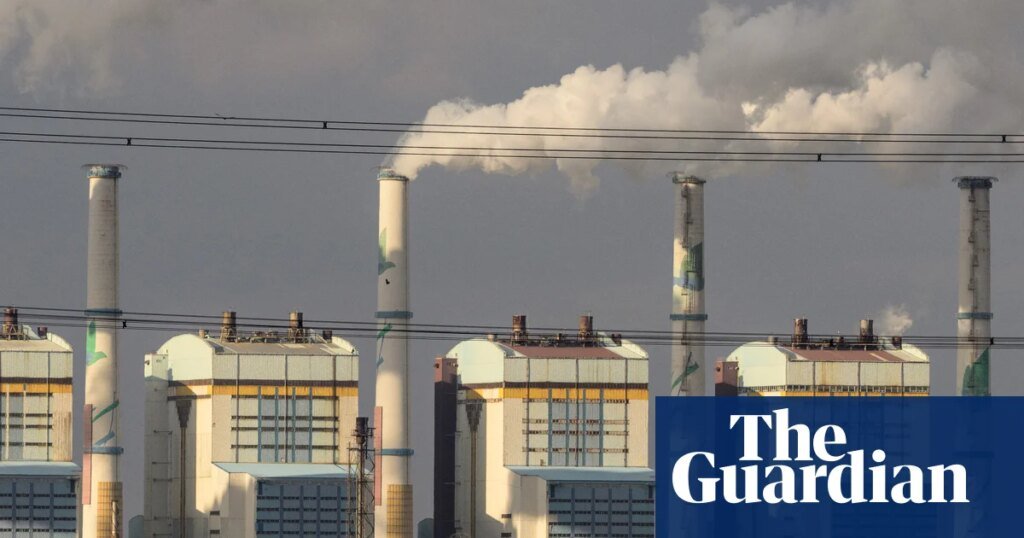
Asia’s Dependence on Coal Grows Amid Energy Crisis
Across Asia, governments are increasingly turning to coal, the most harmful fossil fuel, to address significant energy shortages exacerbated by the ongoing conflict in the Middle East. This trend has alarmed climate experts who emphasize the urgent need for a transition to renewable energy sources, which provide a more reliable and environmentally friendly solution.
Coal Power on the Rise Amid Energy Shortfalls
From Bangladesh to South Korea, many Asian nations are scrambling to offset a decline in imported energy, particularly from the Middle East. This surge in coal reliance involves various measures; for instance, South Korea has postponed the closure of coal-fired power plants and increased their electricity output. Thailand has also ramped up production at its largest coal facility, while the Philippines has declared a “national energy emergency” and plans to extend operations at its coal-fired power stations.
In South Asia, India—where approximately 75% of electricity is generated from coal—has directed its coal plants to operate at full capacity and minimize shutdowns. Similarly, Bangladesh has raised its coal power generation and imports as it seeks to navigate the crisis.
Challenges in Natural Gas Supply
The urgency to satisfy energy demands has also prompted governments to turn away from liquefied natural gas (LNG), which has been touted as a transitional fuel towards greener energy sources. However, this shift poses its own problems, as research indicates that imported gas generates significantly more greenhouse emissions than coal.
A major role of LNG in electricity generation and industrial operations highlights its importance, particularly in sectors like fertilizer production, with expectations of doubling demand in the next 25 years. Yet, disruptions caused by the crisis, such as the effective closure of the Strait of Hormuz—crucial for global LNG shipments—have severely impacted supply. Strikes at key LNG export facilities in Qatar will further magnify shortages, experts warn.
Recent reports indicate a loss of nearly 30 billion cubic meters of LNG from international markets, with over 80% of this deficit hitting the Indo-Pacific region. Henning Gloystein, managing director of energy and resources at a leading think tank, notes that the recent escalation in conflict has transformed a previously stable energy landscape into one marked by significant deficits, causing both price surges and tangible fuel shortages.
The Call for Renewable Energy Investment
Given the rapid changes in global market conditions, the urgency for governments to invest in renewable energy is clear. While some countries like India are accelerating the deployment of wind turbines and battery storage systems, experts caution against falling back into a long-term reliance on coal. Pauline Heinrichs from King’s College London emphasizes the dire effects of coal on both climate and public health, urging leaders to recognize the necessity of transitioning to sustainable alternatives.
She highlights the crucial role renewable energy can play, not just as a response to climate concerns, but as a cornerstone of energy security in Asia. Further, those economies already integrating renewable sources are proving to be more resilient amidst current shortages.
Despite efforts to conserve energy, including a four-day work week in the Philippines and remote schooling in Pakistan, the challenges remain substantial. Gloystein warns that LNG supply recovery will take years, with many hoping for a swift resolution to the crisis; however, the damage has been done, and the effects are likely to linger.
Conclusion
The shift toward coal in Asia during this energy crisis underscores the pressing need for governments to prioritize investment in renewable energy solutions. As the region grapples with immediate energy challenges, it also has an opportunity to rethink energy strategies for the future.
- Asian nations are increasingly relying on coal to manage energy shortages.
- The ongoing conflict has disrupted LNG supplies, leading to critical shortages.
- Experts advocate for immediate investment in renewable energy to ensure long-term sustainability.
- The transition to cleaner energy sources is essential for future energy security in the region.