
Iranian Forces Prepare as Tensions Escalate
As the geopolitical climate continues to shift, Iranian parliament speaker Mohammad Bagher Ghalibaf recently issued a striking statement, marking thirty days since the start of the US-Israeli conflict with Iran. He boldly declared that Iranian forces are poised to respond aggressively should US troops arrive. This article delves into Ghalibaf’s comments, regional diplomatic efforts, and the humanitarian impact of ongoing hostilities.
Heightened Military Readiness
In a recent message, Ghalibaf expressed that Iranian forces are ready and waiting, saying, “We are prepared to set the American troops on fire and deliver lasting consequences to their regional allies.” He emphasized that missile readiness remains high and that Iranian morale and determination have never been stronger.
This stark rhetoric emerges alongside a planned meeting in Islamabad, where the foreign ministers of Saudi Arabia, Egypt, Pakistan, and Turkey are gathering to discuss efforts to ease regional tensions. Despite these diplomatic overtures, US military operations appear to be ramping up, with reports indicating the arrival of thousands of US soldiers and marines in the Middle East.
Shipping Through the Strait of Hormuz
Meanwhile, on a more positive note, two liquefied petroleum gas tankers destined for India have made it safely through the Strait of Hormuz. These vessels, BW Tyr and BW Elm, are expected to dock in Mumbai and New Mangalore, respectively, by early April. Despite the ongoing conflict, Iran has permitted “non-hostile vessels” to transit through this crucial waterway with prior coordination.
Media and Humanitarian Concerns
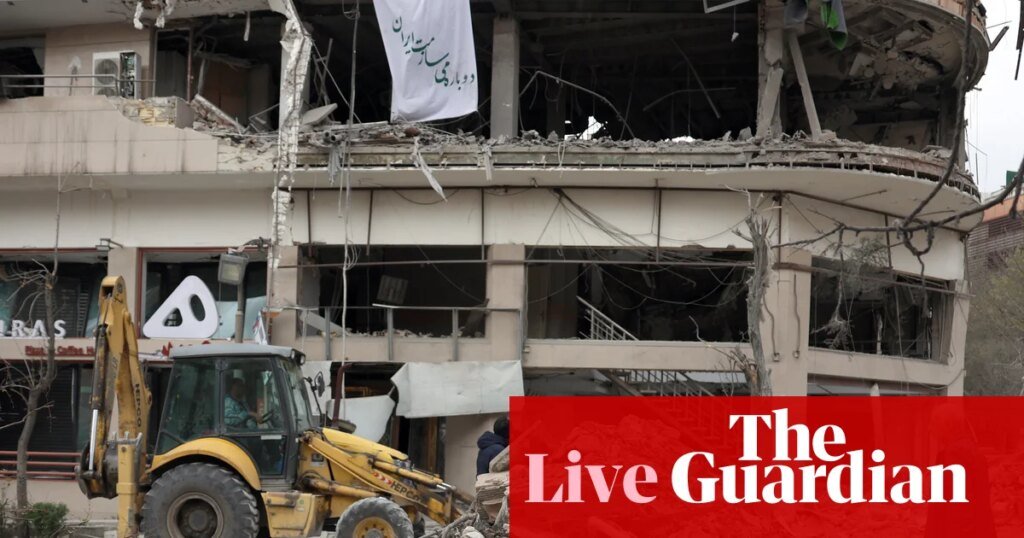
In the context of the conflict, the Qatari news channel Al Araby condemned a recent attack on its office building in Tehran, characterizing it as a violation of international law and calling for the safety of journalists. Reports state that ten individuals suffered injuries in the strike. The humanitarian situation continues to worsen, with organizations like Human Rights Activists in Iran (HRA) documenting significant civilian impact, including 1,443 deaths, with many being children, from US and Israeli airstrikes.
Calls for Diplomatic Mediation
As nations in the region strive for stability, Pakistan’s Prime Minister Shehbaz Sharif has intensified diplomatic efforts, communicating with Iranian President Masoud Pezeshkian, and opening discussions about the potential for a ceasefire. This collaboration points to a burgeoning coalition of Turkey, Pakistan, and Saudi Arabia, which collectively possess significant military capabilities.
Domestic Repression and Internet Blackout
In addition to the military turmoil, the situation within Iran is dire. NetBlocks reports that the internet blackout now stretches into its thirtieth day, severely restricting Iranians’ ability to communicate both with the outside world and among themselves, greatly hindering grassroots mobilization efforts.
Ongoing Airstrikes and Their Consequences
The conflict escalates as the Israeli Defense Forces (IDF) announced they have conducted repeated airstrikes across Tehran, which have resulted in civilian casualties and damage to vital infrastructure. Reports reveal that these attacks have specifically targeted residential areas and educational institutions, exacerbating the humanitarian crisis.
The Power Dynamics within Iranian Leadership
There is speculation around Ghalibaf’s role within the Iranian political structure, especially in the context of potential negotiations with the US. Historically, power has resided with the supreme leader, Mojtaba Khamenei, yet external perceptions might lead to strategic miscalculations regarding Iran’s response to international pressures.
Conclusion
The overall situation remains tense, with Iranian leaders expressing strong rhetoric against the US presence while nations in the region pursue diplomatic openings to de-escalate the conflict. The humanitarian toll continues to rise, underscoring the dire need for peaceful resolutions to prevent further suffering.
Key Takeaways
- Iranian forces are bracing for a potential US military presence, vowing to respond forcefully.
- Diplomatic discussions are ongoing among regional powers in an effort to mitigate tensions.
- The humanitarian situation continues to deteriorate as airstrikes impact civilians and infrastructure.
- The internet blackout in Iran complicates communication and mobilization efforts among citizens.