
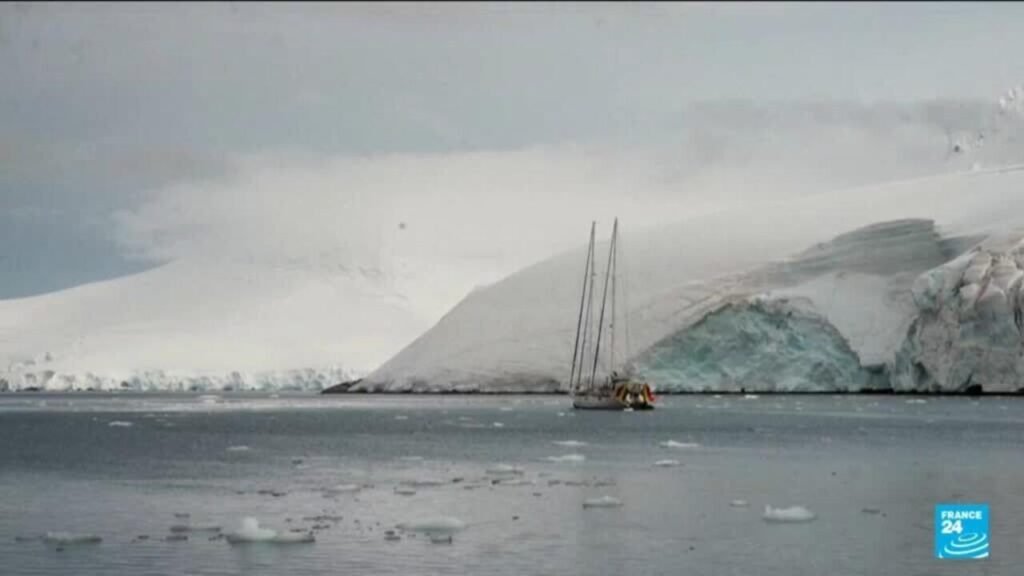
Exploring Fragile Arctic Ecosystems: Insights from a Unique Diving Course
In Finland, a specialized training program has emerged, allowing scientists to dive beneath the Arctic ice, providing them with invaluable skills to study vulnerable polar ecosystems. These environments are increasingly being threatened by climate change. This distinct course emphasizes the importance of firsthand exploration of underwater habitats that remain largely inaccessible to robotic surveys, highlighting the pressing need for more research dedicated to safeguarding these disappearing natural systems.
The Training Experience
This unique diving program combines theoretical knowledge with practical skills, providing participants with the expertise required to conduct research in challenging icy conditions. Students learn not only the mechanics of diving but also gain insights into the delicate ecosystems they will be exploring.
Importance of Underwater Research
As polar ice continues to dwindle, understanding the ecosystems beneath the surface becomes increasingly crucial. These underwater habitats serve as critical indicators of climate change, and scientists believe that studying them can reveal essential information about broader environmental shifts.
Challenges in Polar Research
Conducting research in such extreme environments is not without its challenges. The icy depths present a formidable barrier that often limits the effectiveness of robotic technology. Human divers, equipped with specialized training, can navigate these areas more effectively, gathering data that machines might miss.
The Need for Action
Instructors emphasize the urgency of expanding research efforts focused on these fragile ecosystems. With climate change posing a significant threat, there’s a growing need for more scientists to engage directly with the polar environments to help devise strategies aimed at their conservation.
Conclusion
The diving course in Finland not only equips scientists with essential skills but also underscores the significance of direct human engagement with fragile Arctic ecosystems. Amidst the ongoing impacts of climate change, this direct approach is paramount in the ongoing effort to protect these invaluable habitats.
Key Takeaways
- Scientists are gaining crucial skills to study Arctic ecosystems through a specialized diving course in Finland.
- Underwater habitats are vital indicators of climate change, necessitating further research.
- Human divers can explore areas that robots cannot, providing essential data for conservation efforts.
- There is an urgent call for increased research to protect these disappearing polar environments.