
The Impact of War on the Black Sea Ecosystem
As conflict continues to reshape the shores of Odesa, a scientific vessel known as the Boris Alexander remains docked, suffering damages from ongoing drone attacks and shelling. The war in Ukraine has made it increasingly difficult for scientists to assess the environmental degradation occurring in this vital region. Dr. Jaroslav Slobodnik, director of the Environmental Institute in Slovakia, encapsulates the current situation: “We can only wait.” He highlights the dire state of biodiversity in the Black Sea, a situation that has been exacerbated by four years of relentless warfare.
Changes in Dolphin Populations
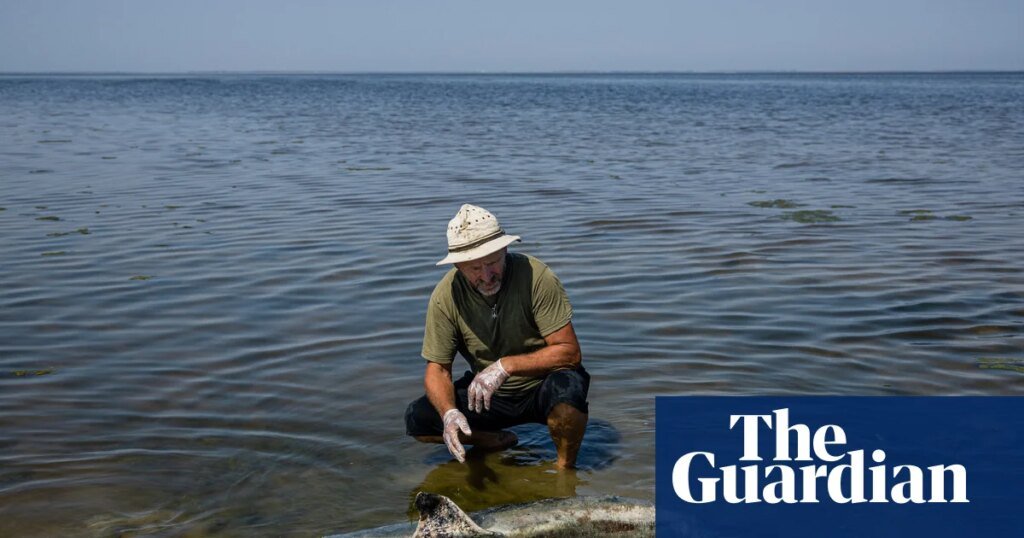
Before the onset of conflict, the Black Sea was home to three species of dolphins. However, since the war began, numerous carcasses of dolphins have been found washed up along Ukraine’s extensive coastline. Approximately 125 dolphin deaths were reported in the first year of the invasion, while last year, scientists recorded just 49 bodies. This decline raises concerns about the overall health of the Black Sea.
“The dolphins are the sentinels of the sea’s ecology, perched high on the food chain.” — Dr. Jaroslav Slobodnik
Threats to Marine Life
The Black Sea faces multiple hazards, including oil spills and hazardous materials from military activity, compounded by the ecological disturbance caused by sonar from naval operations. The Kerch Bridge and areas under Russian control are particularly affected. Unfortunately, as war conditions persist, monitoring these dolphin populations has become increasingly challenging.
The Kakhovka Dam Disaster
Another contributing factor to the ecological crisis was the Kakhovka dam disaster in June 2023, suspected to be caused by sabotage from Russian forces. This event not only claimed lives but also inundated vast areas, spreading pollutants and heavy metals into the water. Dr. Slobodnik described it as “a toxic punch to the face of the Black Sea,” a region that had previously shown signs of ecological recovery.
Efforts Towards Recovery
Prior to the war, Ukraine was making strides towards meeting European Union environmental standards, with significant investments aimed at restoring the health of its waters. Dr. Slobodnik expressed deep concern about the current state, noting, “I have spent most of my life watching life come back to the Black Sea, and now this war has radically altered that progress.”
Monitoring the Black Sea
Satellite imagery reveals a concerning presence of Russian vessels anchoring off the eastern coast and Crimea, presenting risks of oil spills and further marine deterioration. Viktor Komorin, a marine scientist at the Ukrainian Scientific Centre of Ecology of the Sea, emphasizes the importance of monitoring this fragile ecosystem, which is already vulnerable to climate change and organic pollution.
Despite the limitations posed by the ongoing conflict, scientists continue to collect environmental DNA samples from deceased dolphins and pollutants littered along the coast. They remain hopeful for the recovery of dolphin populations once the conflict subsides.
Conclusion
The ongoing war has cast a shadow over the Black Sea, threatening its unique ecosystem and marine life. Though efforts to monitor and rehabilitate the environment persist, the war’s toll is evident. Scientists are committed to understanding the extent of the damage, clinging to the hope that recovery will be possible once peace is restored.
Key Takeaways
- The war in Ukraine has severely impacted the Black Sea’s biodiversity.
- Dolphins serve as crucial indicators of the sea’s health, with significant declines noted since the conflict began.
- Environmental monitoring has become increasingly difficult due to safety concerns and resource limitations during wartime.
- Despite challenges, scientists remain dedicated to documenting pollution and seeking solutions for ecological recovery post-war.