
Ongoing Tensions: U.S.-Israeli Attacks on Iran
The conflict between the United States, Israel, and Iran shows no signs of abating, as recent attacks have targeted multiple cities across Iran. Despite U.S. President Donald Trump’s announcement of talks aimed at resolving the war, explosive developments continue to unfold in the region.
Recent Attacks Across Iran
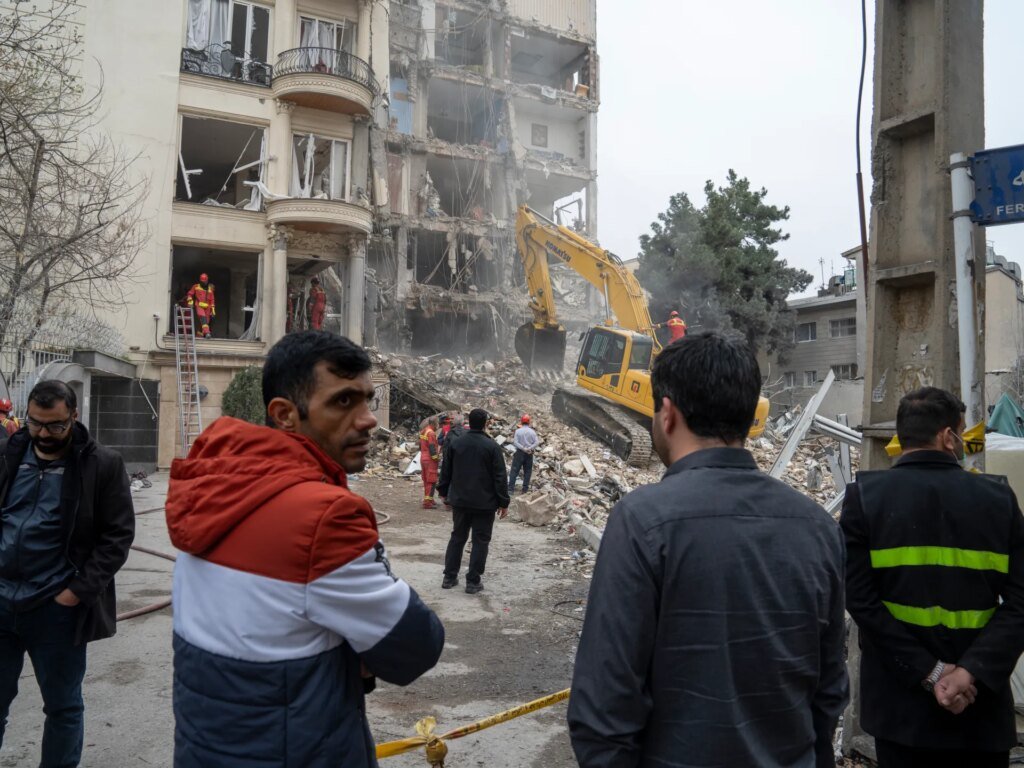
Significant explosions were reported overnight on Tuesday in Tehran, along with strikes in cities like Tabriz, Isfahan, and Karaj. Iranian media indicated that U.S.-Israeli operations were aimed at gas facilities and a pipeline shortly after Trump’s decision to postpone attacks on power infrastructure.
Targeted Gas Facilities
According to the Fars news agency, the gas administration building and a pressure regulation station located on Kaveh Street in Isfahan were struck. The report noted that these facilities suffered “partial damage.” Additionally, a projectile impacted an area outside the gas pipeline processing station of the Khorramshahr power plant in southwestern Iran.
Casualties in the Conflict
Tragically, a prominent scholar and a professor at a university in Tehran, Saeed Shamaghdari, was reported dead along with his two children due to an attack on their home. Shamaghdari was known for his work in the engineering department at the Iran University of Science and Technology.
Since the beginning of the conflict on February 28, the head of Iran’s emergency service reported that 208 children have died, many as a result of U.S. missile strikes. Rights organizations have called for an investigation into the attacks, notably one on a school in Minab, labeling it a potential war crime. Overall, more than 1,500 civilians have perished throughout the country, as reported by the Iranian government.
Diplomatic Efforts and Tensions
Amidst the violence, diplomatic channels appear to be opening. Iran’s Foreign Minister Abass Araghchi engaged in discussions with several nations, including Egypt, Pakistan, and Oman, in the last 24 hours. However, senior Iranian officials refuted claims of talks with the U.S., despite President Trump claiming productive conversations had occurred.
Reactions from Iranian Officials
Esmaeil Kowsari, a member of the Iranian parliament’s national security committee, urged caution before any negotiations with the U.S. He indicated a deep skepticism regarding the U.S. government’s intent, suggesting their strategies often aim to foster division and doubt within Iran.
Journalist Tohid Asadi reported from Tehran that uncertainty looms over whether diplomatic solutions will be pursued. Some officials express concerns about ensuring long-term national security before considering any pauses in conflict.
Continued Military Engagements
The confrontation has extended throughout the Middle East, causing a surge in oil prices and contributing to a global energy crisis. Saudi Arabia’s Ministry of Defense announced the interception of 19 drones targeting its Eastern Province, while Kuwait’s military responded to missile and drone threats, indicating the regional instability’s reach.
Regional Impact and Responses
Despite recent diplomatic hopes, military aggression persists, with significant casualties reported in the ongoing clashes. An attack in Anbar against Iran-aligned Popular Mobilisation Forces resulted in at least 14 fatalities, including key leaders.
In response to the conflict, Iran has launched multiple strikes toward Israel, injuring several individuals in Tel Aviv as missile debris landed in populated areas.
The Calls for Resolution
European Commission President Ursula von der Leyen emphasized the necessity of a negotiated solution during her visit to Australia, articulating the urgency to address the ongoing hostilities in the region. She acknowledged the critical nature of energy supplies amid Iran’s actions to obstruct oil exports via the Strait of Hormuz.
Key Takeaways
- U.S.-Israeli attacks on Iran are ongoing, affecting multiple cities and strategic facilities.
- The conflict has resulted in significant civilian casualties, including many children, raising concerns over potential war crimes.
- Diplomatic efforts are reportedly underway, but skepticism remains among Iranian officials regarding U.S. intentions.
- The regional conflict has led to increased oil prices and escalated military responses from neighboring countries.
Conclusion
The situation in Iran remains precarious as attacks continue and diplomatic efforts face obstacles. The humanitarian toll is alarming, and the need for a peaceful resolution is more pressing than ever in light of the ongoing violence and regional instability.