
Strengthening U.S.-Japan Relations Amid Global Challenges
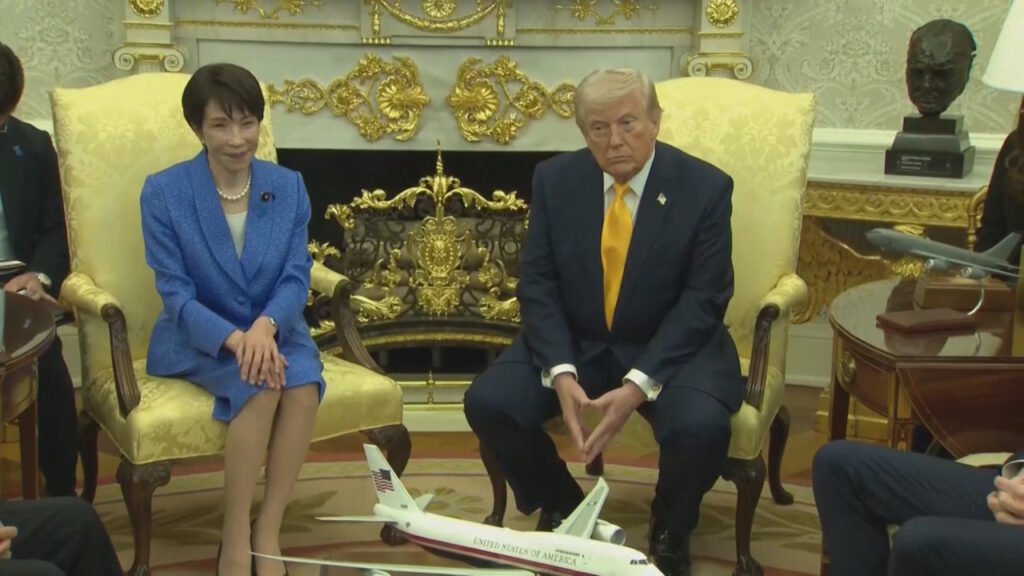
Japanese Prime Minister Sanae Takaichi made her way to Washington, aiming to bolster the connection between Japan and the United States. However, the visit presented a complex diplomatic challenge, especially with U.S. President Donald Trump intensifying his calls for allies to ramp up their support in the escalating conflict in Iran. In this article, we delve into Takaichi’s visit and its implications for international relations.
Diplomatic Balancing Act
During her time in Washington, Prime Minister Takaichi faced the daunting task of aligning Japan’s interests with the pressing demands placed by the U.S. Amid a backdrop of increasing hostilities in the Middle East, Japan has been cautious about its foreign policy strategies, particularly concerning military commitments. The discussion with President Trump highlighted ongoing concerns and the need for cooperative dialogue between the two nations.
Expert Insights
To further analyze these developments, we spoke with James Schoff, Senior Director at the Sasakawa Peace Foundation USA. He emphasized the importance of Japan maintaining its strategic autonomy while also remaining an essential ally to the United States. Schoff pointed out that Takaichi’s administration is navigating a tricky landscape, where supporting U.S. initiatives could conflict with Japan’s long-term interests.
Regional Developments: Afghanistan and Pakistan
In addition to the discussions surrounding U.S.-Japan relations, another significant international issue emerged. Afghanistan and Pakistan have recently agreed to a temporary ceasefire amid rising tensions and violence, which Islamabad has characterized as an “open war” with the Taliban regime. Analyst Hameed Hakimi shared insights into the potential ramifications of this pause, highlighting the risks of further destabilization in the region.
The Global Impact of Korean Pop Culture
The conversation also touched on the remarkable global rise of Korean pop culture, affectionately known as the “K wave.” From BTS’s eagerly anticipated return to the critical acclaim of projects like “KPop Demon Hunters,” the influence of South Korean entertainment is drawing considerable international attention and tourism. This cultural phenomenon illustrates how soft power can foster tourism and economic growth for the country.
Conclusion
Prime Minister Takaichi’s visit underscores the delicate nature of international diplomacy in an increasingly interconnected world. As nations navigate complex issues, the ongoing dialogue remains crucial for maintaining alliances and addressing regional conflicts while embracing cultural exchanges that enrich global ties.
- Japanese Prime Minister Sanae Takaichi seeks to strengthen U.S.-Japan relations during her Washington visit.
- The U.S. pressures allies amid rising tensions in the Iran conflict.
- Afghanistan and Pakistan agree to a temporary ceasefire amidst escalating violence.
- The global rise of Korean pop culture attracts tourists, showcasing South Korea’s soft power.