
The Ongoing Conflict in the Middle East: A Current Overview
As the conflict enters its fourth week, we delve into the latest developments concerning the U.S. and Israel’s military actions against Iran and their ripple effects across the Middle East. With thousands affected, tensions are escalating dramatically on multiple fronts.
Current Situation in Iran
The hostilities initiated by the U.S. and Israel have resulted in over 1,400 fatalities in Iran, including more than 200 children. The intensity of attacks has prompted air defenses in Tehran and surrounding regions as the nation observes the Persian New Year, Nowruz, amid the threat of violence.
Iran’s Response
In retaliation, Iran has launched attacks on Israeli and U.S. military sites. The Iranian military announced that it conducted its 70th wave of strikes, targeting both Israel and U.S. bases in the Gulf. These actions are viewed as direct retaliation for previous Israeli assaults on Iran’s energy infrastructure.
Significant Casualties
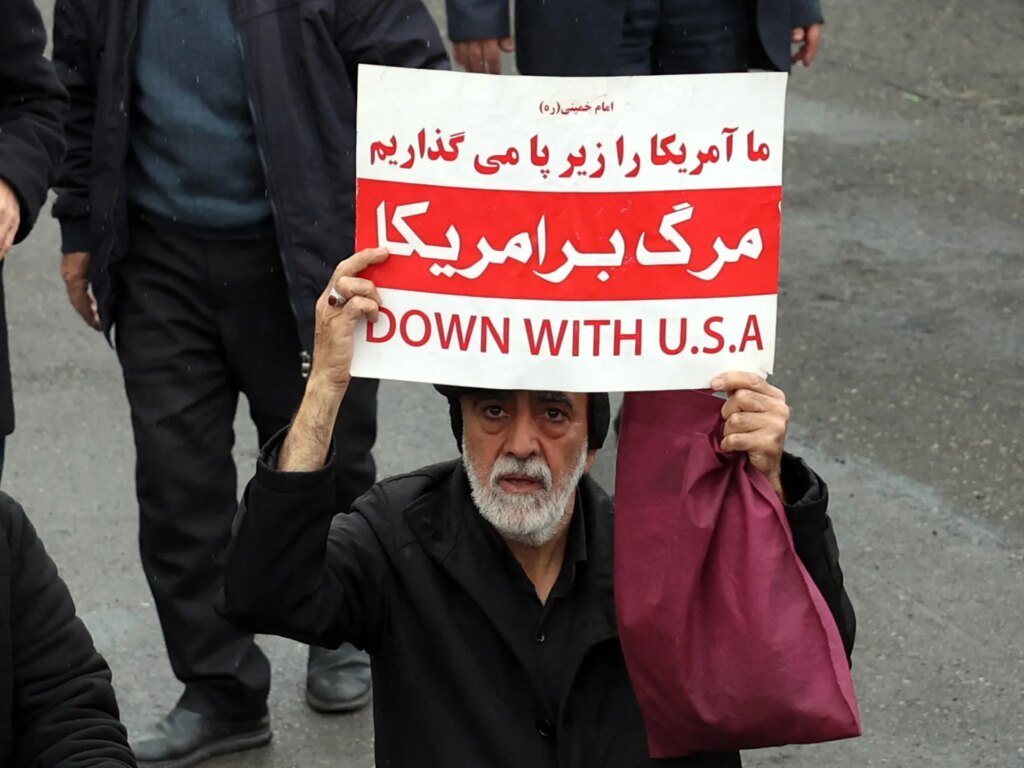
Amidst these escalations, millions of Iranians are observing Eid al-Fitr and Nowruz under the looming threat of warfare. Cities like Mashhad have witnessed anti-Western protests intertwined with holiday celebrations, highlighting a complex interplay of cultural traditions and national identity.
Developments in the Gulf Region
Threats to UAE and Bahrain
Iranian military leaders have issued stark warnings, indicating potential attacks on the UAE’s Ras al-Khaimah port should aggressions persist. Bahrain’s defense forces have reported intercepting multiple missiles, having taken down a total of 143 missiles and 242 drones since hostilities began late last month.
Saudi Arabia and Kuwait Under Fire
Saudi Arabia’s Ministry of Defense confirmed it successfully intercepted a large number of drones aimed at its eastern region, while Kuwait experienced drone attacks on its major oil refinery, igniting fears of significant disruptions to oil supply in the region.
International Diplomatic Efforts
Qatar’s Ministry of Foreign Affairs conveyed strong disapproval of Israeli strikes on military facilities in southern Syria, emphasizing the need for adherence to international law and respect for national sovereignty.
The U.S. Landscape
Trump’s Stance on Military Operations
Amid growing tensions, U.S. President Donald Trump hinted at possibly easing military operations against Iran while affirming that he has no intention of agreeing to a ceasefire. Furthermore, discussions regarding a strategic blockade or occupation of Iran’s Kharg island could signify critical shifts in economic and military strategy.
Increased Military Presence
Reports suggest the deployment of an additional 2,200 to 2,500 Marines to the region, indicating a rising U.S. military presence and heightening fears of active ground operations in Iran as part of securing crucial waterways like the Strait of Hormuz.
The Situation in Israel
Widespread Damage and Concerns
Israeli authorities reported numerous missile attacks originating from Iran, causing extensive damage across various parts of the country. Meanwhile, calls for better protective measures for Palestinian citizens have surfaced, emphasizing disparities in defense accessibility within Israel.
Impact on Occupied Palestine
Significant concerns arose following missile fragments landing near the Al-Aqsa Mosque in East Jerusalem, leading to considerable damage to this vital religious site.
Implications Across Iraq, Lebanon, and Syria
Escalating Casualties
In Lebanon alone, more than 1,000 lives have been lost since the renewed Israeli offensives, including many children. The hostilities have forced evacuations in areas deemed at high risk of being targeted for military strikes.
Military Actions Beyond Borders
Recent reports indicated further aggression in Syria, where Israeli military actions targeted infrastructure allegedly involved in assaults against civilians, prompting widespread condemnation from regional powers like Qatar and Jordan.
Oil and Energy Markets
The ongoing conflict has caused a significant spike in oil prices, with Brent crude now priced over $112 per barrel. This disruption raises concerns about sustained supply challenges and a potential global economic downturn.
Critical Maritime Threats
Pressures on global shipping lanes have intensified, particularly through the Panama Canal, which has reached operational capacity under the demand for LNG transport. Meanwhile, significant attacks on commercial vessels have been reported, emphasizing the critical nature of maritime security in the region.
U.S. Sanctions on Iranian Oil
In a contentious move, the United States lifted sanctions on Iranian oil already aboard tankers in an effort to stabilize global markets, despite Tehran stating it lacks excess crude for export. Analysts suggest that this decision could prove counterproductive amid ongoing military engagements.
Conclusion
The situation in the Middle East remains incredibly volatile, with escalating military actions, rising casualties, and profound economic implications. Continuous developments in the region underline the urgent need for diplomatic resolution to stabilize both local and global markets.
Key Takeaways
- The conflict between the U.S., Israel, and Iran has led to significant casualties, with over 1,400 reported dead in Iran alone.
- Iran continues to retaliate against U.S. and Israeli military actions, raising tensions in the Gulf region.
- The U.S. is considering increased military operations while also attempting to stabilize oil prices amid the conflict.
- Global shipping and energy markets are profoundly affected, with rising oil prices raising fears of a broader economic downturn.