
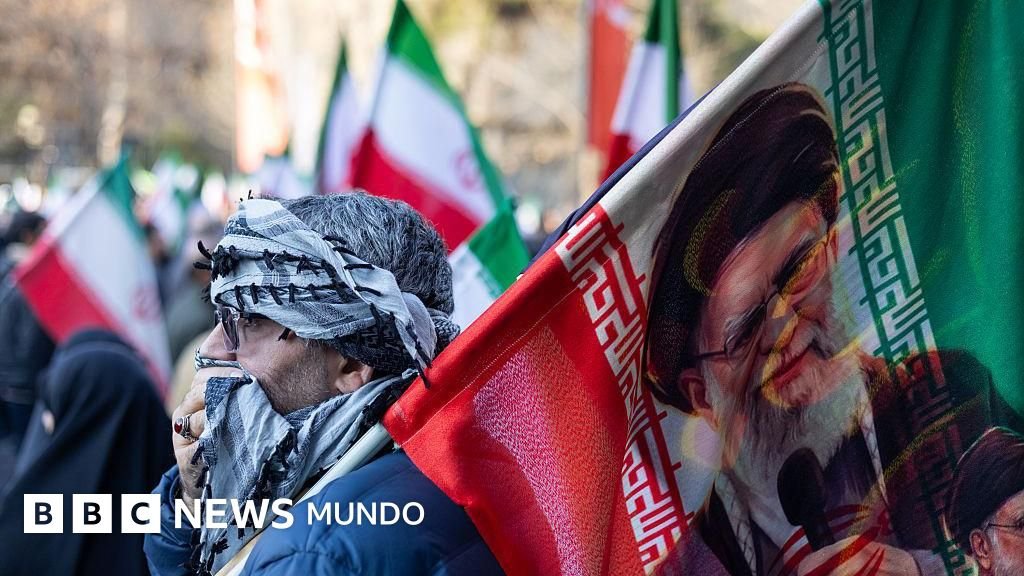
The Complex Dynamics of Iran’s Regional Position
In recent weeks, Iran has faced military strikes from Israel and the United States, an unsettling development that has not gone unnoticed in the Muslim world. While many predominantly Muslim countries observe the situation, few are rushing to support Iran. Instead, many perceive the country as a threat. This article delves into the intricate web of political, sectarian, and national interests that shape the responses of Muslim nations to Iran’s actions.
The Current Landscape of Iran’s Support
The premise of pan-Islamic solidarity is faltering as Muslim-majority countries grapple with their own sectarian divisions and national interests. While Iran aspires to be a dominant regional power with nuclear capabilities, it has also engaged in military actions against its Arab neighbors. Yasmina Asragis, an expert on the Middle East, comments that Iran’s aggression during the holy month of Ramadan stands as a significant strategic blunder. Historically, Iran has positioned itself as a champion of Islamic unity but is now at odds with many Arab nations.
Political Interests Outweigh Solidarity
The word ‘solidarity’ in the Muslim world is complex at best. National interests often overshadow the idea of collective support for Iran, which is not an Arab nation, speaks a different language, and predominantly practices Shia Islam, in contrast to the Sunni majority. Fabrice Balanche, a scholar from the Washington Institute for Near East Policy, notes, “There can be no Sunni solidarity with the Shia, especially if Shia Iran is attacking Sunni states.” As Iran raises tensions in the region, any potential for cooperative support from its neighbors further diminishes.
Iran’s Isolation and Its Consequences
Historically, Iran has had few steadfast allies, and its aggressive strategies have only heightened its isolation. Nearly five decades under a theocratic regime have transformed Iran into a significant destabilizing force in the Middle East. Following the 1979 Islamic Revolution, Iran sought to position itself as the vanguard of Islamic governance, marking the United States as its primary adversary and identifying Israel as a lesser evil. This ambition has often pitted it against its Gulf neighbors, particularly Saudi Arabia, which hosts the holiest Islamic sites.
Regional Hostility and Rivalry
Saudi Arabia and other Gulf states harbor deep-seated anxieties about Iran’s geopolitical aspirations. They see Iran’s objectives as conflicting with their own stability and interests, especially after Iran was bombarded by U.S. and Israeli forces. Khalid Al-Jaber, director of the Middle East Global Affairs Council, points out that the damage to Iran’s regional reputation is already apparent, emphasizing that trust once broken is hard to regain.
The Formation of the Resistance Axis
Over decades, Iran has diligently worked to establish what it calls the “Axis of Resistance,” aligning against U.S. and Israeli interests. This includes supporting Shia militias like Hezbollah in Lebanon, the Houthis in Yemen, and various allied factions in Iraq, while also engaging in conflicts across Syria, Bahrain, and Yemen. Iran’s support for Palestine, particularly Hamas and Islamic Jihad, is often viewed by Arab nations as a means to extend its influence rather than purely altruistic.
Growing Distrust and Regional Reactions
With its recent military actions against Sunni Arab states, Iran has fueled existing distrust. As Asragis notes, Tehran may have intended to exert pressure on Gulf monarchies, but the outcome has only increased their resolve against it. While some nations like Oman and Qatar have acted as intermediaries, the overall narrative points to soaring tensions and skepticism about Iran’s intentions.
The Sunni-Shia Divide
Understanding the Sunni-Shia schism is crucial to grasping the regional dynamics. Approximately 85-90% of the world’s 1.8 billion Muslims identify as Sunni, while Shia constitute only 10-15%. This division originated from a dispute regarding the rightful successor to the Prophet Muhammad, further complicated by historical events that have deepened the political and religious divide.
Geopolitical Implications
The ongoing conflict has repercussions that could reshape the political landscape of the Middle East. The Abraham Accords, which have seen some Arab nations normalize relations with Israel, highlight Iran’s evolving role as a common adversary. As Saudi Arabia explores a potential rapprochement with Israel, the conflict’s outcome may redefine Iran’s influence in the region—and its governance’s resilience.
Conclusion
The future of Iran is uncertain as it faces growing isolation and hostilities. Its ambitions to reclaim its past influence may falter as regional dynamics shift in favor of collaborative security measures among Gulf states. Despite the fractured peace, the region’s balance of power is in a delicate state, and the question remains whether Iran can adapt or if it will continue to be viewed as a primary threat.
- Iran’s military actions have led to increased isolation among Muslim-majority nations.
- Historical sectarian divisions undermine the potential for support for Iran.
- The ongoing conflict poses significant risks to regional stability.
- Saudi and Iranian interests continue to clash as geopolitical dynamics evolve.