
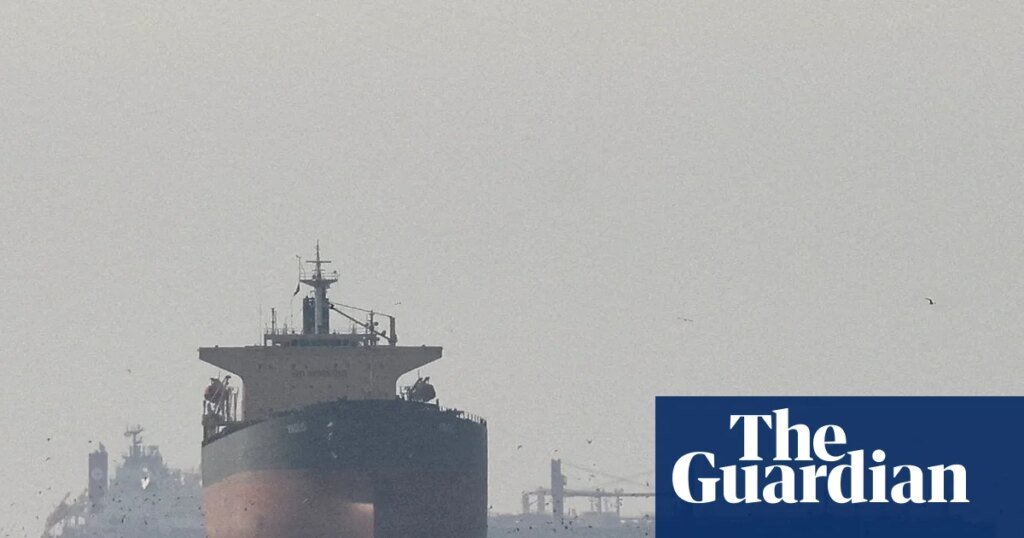
Pressure Mounts on European Allies over Strait of Hormuz
President Donald Trump has intensified his appeals to European allies for assistance in safeguarding the Strait of Hormuz. He warns that NATO’s future could be jeopardized if member nations do not step up to support U.S. efforts. The strategic waterway has been affected by actions taken by Tehran in response to U.S. and Israeli airstrikes, leading to significant disruptions in global energy supplies and trade.
The Importance of the Strait
The Strait of Hormuz is critical for international shipping, particularly for oil. Its recent closure has caused widespread ramifications, resulting in the biggest oil supply disruption in history and skyrocketing prices. In light of this, Trump is urging allied nations to send naval vessels to protect commercial shipping and restore the flow of oil.
Muted Responses from Allies
As Trump calls on various countries, including Australia, France, Japan, and the UK, to contribute ships to the mission, the responses have been lackluster. Leaders from these nations have publicly stated that they currently have no plans to dispatch military support. Trump emphasized in an interview, “It’s only appropriate that people who are beneficiaries of the strait help ensure that nothing bad happens there.” He underscored that a lack of action could spell trouble for NATO’s future.
EU’s Position
On Monday, European Union foreign ministers are slated to discuss enhancing a limited naval mission in the Middle East. However, extending this mission to cover the Strait of Hormuz is not anticipated to be part of the discussion.
Trump’s Relations with China
In the same breath, Trump mentioned he might postpone a summit with China’s Xi Jinping as pressure mounts on Beijing to assist in ensuring safe passage through the Strait. Reports suggest that China has been in discussions with Tehran regarding oil and gas passage. Trump is optimistic, saying, “I think China should help, too, because China gets 90% of its oil from the straits.” He expressed a desire for clarity on China’s support prior to any summit.
Global Reactions and Oil Security
While the U.S. expresses urgency, Japan’s Prime Minister Sanae Takaichi articulated in parliament that Japan is not set to deploy naval vessels. Given that Japan sources 90% of its oil from the Middle East—with 70% transported via the Strait—the situation poses direct risks to its energy security. Japan has started to draw from its oil reserves, marking the first time since the onset of the Ukraine crisis in 2022.
Political Sensitivities
Deploying self-defense forces abroad is a contentious issue for Japan, a nation with a pacifist constitution. Defence Minister Shinjiro Koizumi voiced reservations about the current demands for naval support. Additionally, Australia’s Transportation Minister Catherine King stated, “We won’t be sending a ship to the Strait of Hormuz,” indicating a cautious approach toward engagement in the ongoing conflict.
Rising Oil Prices
With the conflict progressing into its third week, global oil prices continue to rise, recently surpassing $104 a barrel. The situation remains fluid, with Trump stating that he anticipates a decrease in prices once hostilities cease. U.S. Energy Secretary Chris Wright suggested that there might be resolution in the near future, indicating a hopeful outlook.
The Iranian Perspective
Despite ongoing discussions, Trump expressed skepticism about Iran’s willingness to engage in meaningful negotiations. Iranian Foreign Minister Abbas Araghchi countered claims that Iran is seeking talks, reinforcing their stance of self-defense and resilience amid the strain of military actions against them. Araghchi maintained the outlook that Iran stands strong and does not view dialogue with the U.S. as necessary under the present circumstances.
Continuing Unrest
The ramifications of the conflict have reverberated across the Gulf region, with Iran maintaining drone and missile operations. Incidents have escalated, including an attack in Abu Dhabi that resulted in civilian casualties and disruptions at Dubai Airport due to a drone-related fire.
Conclusion
The unfolding dynamics surrounding the Strait of Hormuz highlight the complex interplay of international relations, energy security, and military strategy. As nations evaluate their roles, the situation continues to evolve, keeping global leaders on high alert.
Key Takeaways
- Trump urges NATO allies to assist in securing the Strait of Hormuz amid rising tensions.
- Responses from countries like Japan and Australia have been largely non-committal.
- Global oil prices have surged due to disruptions in the region.
- The situation remains critical, with potential implications for energy security worldwide.