
Rebuilding a Community: The Story of Futaba
Fifteen years post-disaster, Futaba is at a turning point as its remaining residents grapple with a monumental task: rebuilding a community nearly erased by tragedy. This article explores the ongoing efforts to revive the spirit and economy of a city that has faced overwhelming loss.
A City Transformed
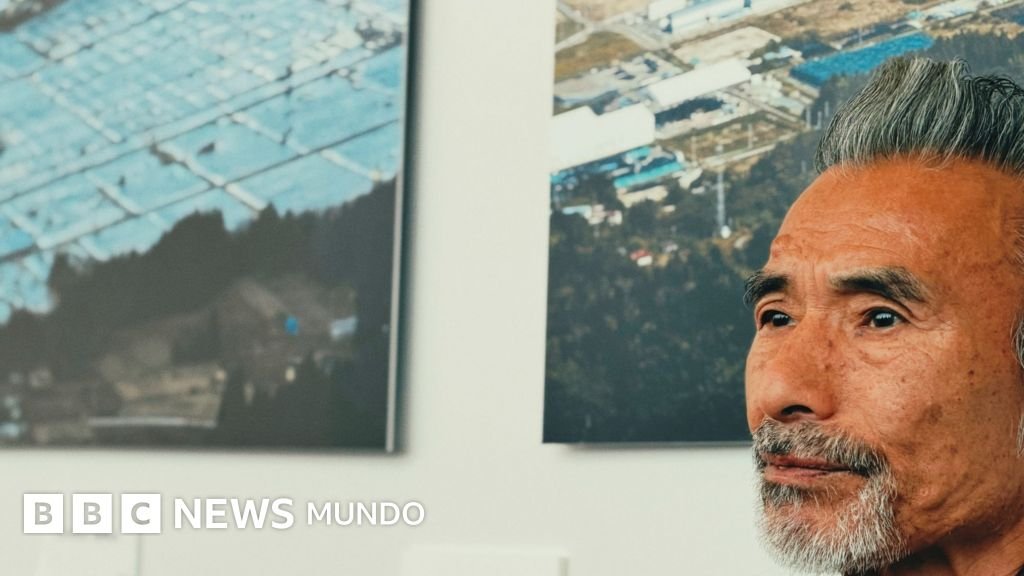
When Isuke Takakura returned to Futaba, the town he once knew felt like a distant memory. While the infrastructure remained—roads, streetlights, and some standing homes—the vibrant life that once filled the streets was gone. Before the catastrophic events of March 11, 2011, Futaba boasted a population of about 7,200, yet today, only roughly 190 residents call this place home—a staggering decline of over 97%.
Takakura slowly wanders through the familiar streets, flanked by abandoned houses and overgrown lots. “Sometimes I feel anger. And also sadness,” he shares, his voice calm and steady as if he’s recited this emotional truth time and again. “If no one does anything, this place will become a dead land.” His return symbolizes a commitment to revive what’s been lost.
A Gradual Reconstruction
Fifteen years after the earthquake, tsunami, and the nuclear disaster at Fukushima, the region is in the midst of a slow and uncertain recovery. Some towns remain nearly deserted, while others are reinventing themselves through new industries and experimental projects. The essential question facing returning citizens is whether a community can truly be rebuilt after such a mass exodus.
Futaba’s Context
Located in Fukushima Prefecture on Japan’s Pacific coast, Futaba sits just four kilometers from the Fukushima Daiichi nuclear power plant, operated by TEPCO. The massive 9.0 magnitude earthquake—the strongest ever recorded in Japan—triggered a devastating tsunami that struck the northeast coast, killing or displacing over 20,000 people according to government reports. Entire towns vanished, leaving hauntingly empty homes and vehicles.
The Spiritual Heart
Six years after the evacuation, the government began lifting evacuation orders in some areas, but few residents chose to return. Observing this desolation, Takakura pondered, “What remains of a city if no one returns?” This reflection propelled him to lead a poignant project: the reconstruction of the community’s Shinto shrine, a site long central to the town’s cultural identity.
The shrine held deep spiritual significance, having been the venue for community gatherings, festivals, and rituals. “Without the shrine, Futaba would lack a soul,” he remarked, knowing well that without a reason to return, people may never come back. The new shrine was completed four years ago. While it didn’t bring back a large population, it ignited a flicker of hope that Futaba could once again thrive.
New Economic Horizons
Yet memories alone cannot sustain a community; tangible jobs and industries are crucial for revitalization. In recent years, Futaba and neighboring towns have started attracting small industrial and technological initiatives. These ventures aim to answer a pressing question that has hovered over Fukushima since the disaster: How can an economy be rebuilt on ground so strongly tainted by nuclear disaster?
Persistent apprehension over radiation still looms both inside and outside Japan. Many people associate Fukushima with invisible risks. Several cities in the region have installed real-time radiation monitors in public spaces, assuring residents that levels are now comparable to larger metropolitan areas.
Overcoming Stigma
Cleaning and decontaminating vast areas have led to the gradual reopening of many evacuated zones, yet fear continues to prevent many former residents from returning. The stigma attached to locally-produced food is another hurdle, as agricultural products from the region face skepticism despite rigorous safety testing. Farmers find themselves battling public perception even when radiation levels are deemed safe.
One innovative company in Namie has sought to reinvent aquaculture, using artificial seawater to cultivate aquatic life on land, capitalizing on cutting-edge technology. “If we can demonstrate success here, it could work anywhere in Japan,” states Koyo Takenoshita, one of the project’s leaders.
Innovating for a Sustainable Future
Other enterprises are reshaping the environmental stigma into a catalyst for progress. In a dramatic demonstration of recycling, a local factory produces plant-based plastics using unsold rice, forging a new environmental image for Fukushima.
Reviving the Land
Not all revival efforts emerge from technology; some are born from a simpler idea—returning to the land. Tomioka Winery, established five years after the disaster, emerged from local aspirations to rejuvenate the area. Recognizing the absence of a local beverage tradition, the team planted grapevines, despite the lack of previous viticultural experience.
Initially fraught with challenges, the project has borne fruit—both literally and figuratively. Following tough early years, they anticipate producing around 10,000 bottles this year, a testament to their perseverance.
A Generational Shift
For some, rebuilding also means seizing opportunities. A local textile company, believing in the strength that arises from suffering, has set up shop to create specialty threads, utilizing the unique narrative of the region to foster innovation.
Amidst this transformation lies the younger generation, like Riona Okada, who remembers the earthquake as a child. Returning to work in Fukushima, she reflects on the support her family received and feels compelled to give back. “If no one does anything, nothing will change,” she asserts, embodying the spirit of a community on the path to revival.
The Path Ahead
Fifteen years after the catastrophe, Fukushima remains a landscape of transition. New businesses and projects are sprouting; yet much of the area feels eerily empty. In Futaba, silence still reigns, punctuated only by the wind rustling through the remains of what once was.
Takakura takes his evening walks along the deserted streets, contemplating how far the city might go. He acknowledges that Futaba may never return fully to its former self, yet he continues to walk its quiet streets, holding on to a mantra he’s repeated countless times: “If no one does anything… this place will become a dead land.”
Key Takeaways
- Futaba’s population has dramatically shrunk since the 2011 disaster, but efforts are underway to revive the community.
- The reconstruction of a Shinto shrine symbolizes hope for a resurrected community spirit.
- Innovative projects in agriculture and aquaculture are helping to reshape the economy of the region.
- Younger generations are returning to help rebuild and contribute to the future of Futaba.