
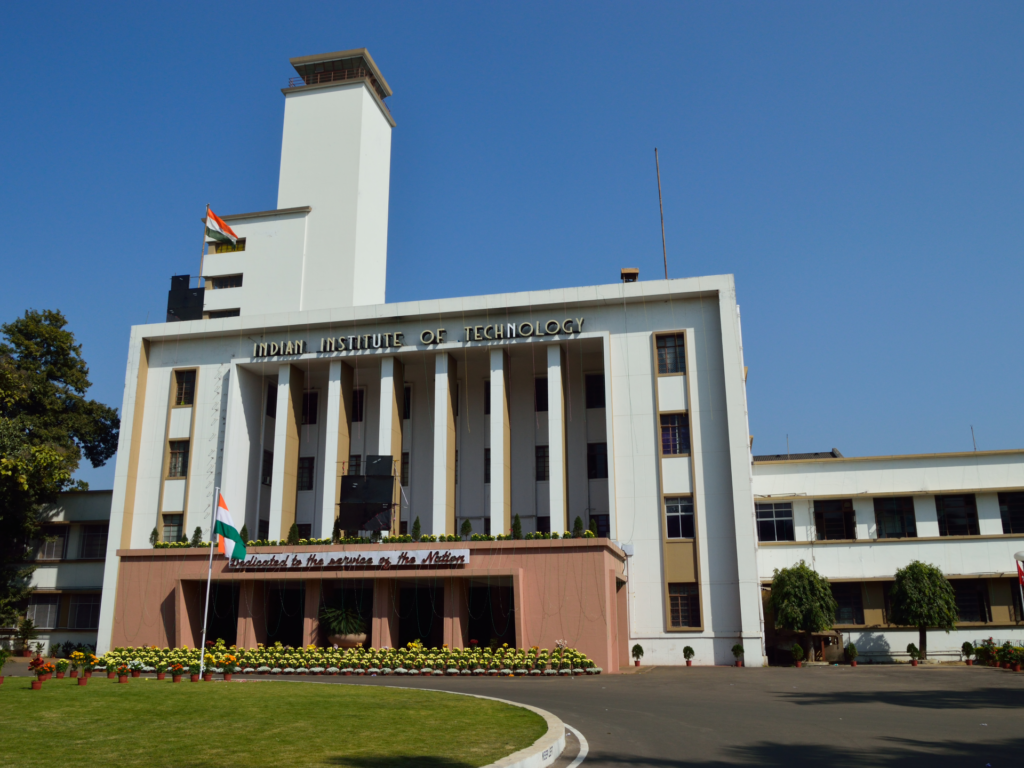
Understanding the Mental Health Crisis at India’s Prestigious IITs
Nashik, India – Sanjay Nerkar, a resident of a small town in Maharashtra, finds himself waiting for a phone call from his son, a call that will never come. For nearly ten years, Sanjay experienced the routine of receiving evening calls from Varad, his son, who always said, “Papa, bas awaaz sunni thi [I just wanted to hear your voice].” Tragically, this meaningful connection came to an abrupt end two years ago.
In 2022, Varad accomplished a long-held dream by securing admission to one of India’s esteemed Indian Institutes of Technology (IITs). He joined the master’s program at IIT-Delhi, spotlit as a prime institution. Despite not initially succeeding in his Bachelor’s program, Varad continued to pursue excellence. When he passed the MTech exam, the family celebrated, believing the dream belonged to all of them. However, that joy turned to sorrow when they lost Varad to suicide—a tragic incident reflecting a growing mental health crisis among students in these prestigious colleges.
The Prestige of IITs
Being admitted to an IIT symbolizes not just academic excellence; it is a status symbol in Indian society. In 2025, around 1.3 million high school graduates attempted the Joint Entrance Examination (JEE) Main, but only a quarter moved on to JEE Advanced, the final hurdle for the coveted BTech seats, with just 18,000 available across the IITs.
For those pursuing MTech, the competition remains fierce, with nearly a million candidates vying for a mere 8,500 spots. The rigorous academics and elite reputation have produced numerous successful individuals, including industry leaders and influential politicians. However, behind this glimmering facade lies a grave issue: the pressures that accompany such high expectations often lead to detrimental mental health outcomes.
Dheeraj Singh, founder of the Global IIT-IIM Alumni Support Group, emphasizes that many students feel immense pressure not only during their studies but also during placements. “When academic demands meet placement stress, it creates a perilous environment for students,” he explains.
Heartbreaking Consequences
Despite the IITs’ reputation for excellence, the environment can be merciless. A staggering 38% of graduates were unplaced in 2024, a reality often masked to maintain institutional prestige. This dissonance has had dire consequences; data shows that 160 suicides occurred at IITs over the past two decades, with alarming rates increasing in recent years.
One such case involved Darshan Solanki, a bright 20-year-old who ended his life at IIT-Bombay. Having cleared the competitive entrance exam twice, Darshan’s dreams were met with harsh realities that he could not bear. His father, Ramesh Solanki, revealed that his son struggled with caste-based discrimination and academic pressure. “Why should caste matter? My son was brilliant, yet they claimed he wasn’t good enough,” Ramesh lamented.
Experts report that students from marginalized communities are disproportionately affected. Between 2014 and 2021, a significant number of suicides were linked to students from Scheduled Castes and Scheduled Tribes, underscoring systemic inequalities that exist within these elite institutions.
Unhealthy Dynamics
The pressures are exacerbated by a power imbalance between students and their supervisors. PhD candidates, for example, often rely heavily on their professors for thesis approvals and funding. “The stress can be overwhelming, particularly when support is toxic,” said Sushant*, a doctoral student at IIT-Kanpur, referring to the emotional toll taken on students due to harsh supervisor relationships.
Efforts have led to an acknowledgment of these issues without substantial change. Concerns mount regarding institutional accountability, particularly when dealing with the aftermath of suicides, often dismissed as personal failings rather than a reflection of systemic flaws in education and support structures.
A Call for Accountability
Justice for these students is long overdue. S. Ravindra Bhat, a former Supreme Court judge and chair of a National Task Force on Mental Health, acknowledges that the crisis is deeply troubling, indicating it stems from both broader societal issues and institutional shortcomings. His task force is gathering data to push for structural changes in how mental health is prioritized at educational institutions.
Dheeraj Singh believes IITs need to take a stronger proactive approach to student wellbeing, pointing out that the responsibility for student mental health should not rest solely on individual students. “If my small support group can help students under stress, why can’t the IITs?” he asks. “This is about intent and a commitment to change.”
As pressure mounts for scrutiny and reform within these prestigious institutions, many hope that the painful stories of lost students ignite a wave of accountability, ensuring such tragedies are prevented in the future.
- Admission to IIT symbolizes academic excellence and social prestige in India.
- A mental health crisis is taking a toll on IIT students, leading to tragic outcomes like suicides.
- Caste-based discrimination and intense academic pressure are contributing factors to student mental health challenges.
- Calls for greater institutional accountability and proactive mental health support are growing within the IIT community.