
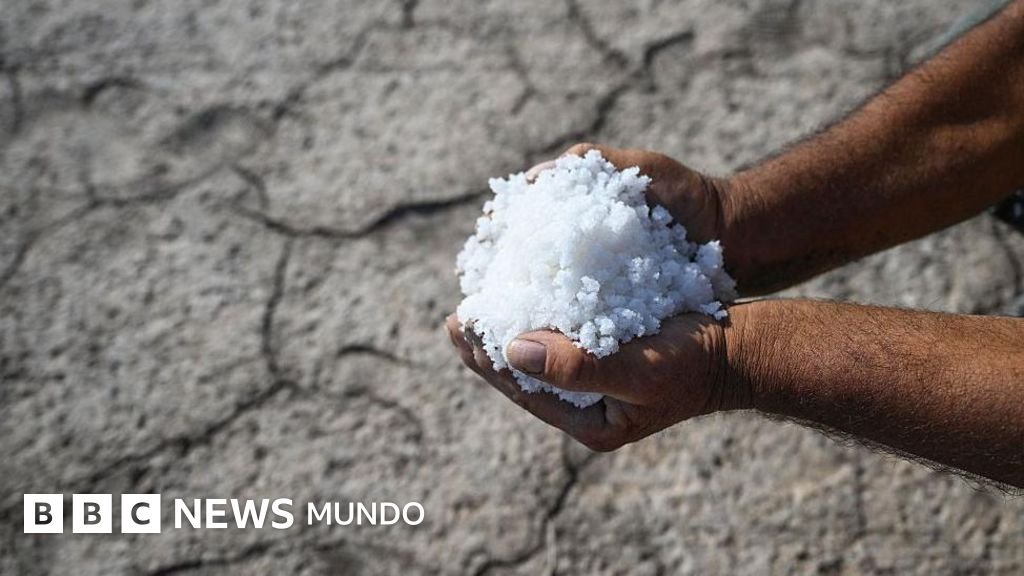
The Slow-Moving Crisis of Saltwater Intrusion
Across the globe, coastal communities are grappling with an unsettling phenomenon known as saltwater intrusion. This gradual but significant crisis entails the encroachment of saline water into freshwater aquifers, jeopardizing drinking water supplies, farming practices, and local ecosystems. This article delves into the causes, effects, and potential solutions to this pressing environmental issue.
Understanding Saltwater Intrusion
Saltwater intrusion occurs when saltwater from the ocean makes its way into freshwater aquifers. While it’s primarily affecting low-lying nations like Gambia, Vietnam, and Bangladesh, the implications are increasingly recognized worldwide, including in the United States. By 2050, it’s anticipated that nearly every continent, except Antarctica, will face coastal areas experiencing saltwater intrusion extending at least 1 kilometer inland.
Robert Young, a coastal geology professor at Western Carolina University, describes it as “an example of a slow-onset climate crisis.” He emphasizes that society often focuses on immediate, dramatic weather events while neglecting these subtler yet severe changes that can impact coastal communities’ futures, particularly in developing areas.
The Threat in the United States
In the United States, the presence of saltwater intrusion has already been observed in numerous coastal aquifers. Particularly vulnerable areas include Southern Florida, where the Biscayne aquifer serves as a crucial source of freshwater. Scientific assessments have identified salt-contaminated wells in Rhode Island, while residents in Louisiana have reported a distinctly salty taste in their tap water. The situation has prompted the state governor to request a presidential disaster declaration in response to its escalating impacts.
Drinking saltwater not only tastes unpleasant but poses serious health risks, including hypertension and complications during pregnancy. According to Holly Michael, a coastal hydrogeologist at the University of Delaware, saltwater intrusion typically transpires at the boundary between freshwater and saltwater, influenced by fluctuations in sea level and groundwater levels. Any disturbance to this balance can push the saline front further inland.
Impact on Agriculture
The most affected individuals are coastal farmers, especially in some of the world’s poorest regions. Senneh, a nurse from Sankandi, Gambia, began cultivating rice with her family in a community once rich in mangroves. Tradition dictated planting during rainy seasons when freshwater was plentiful. Although this method supported her family for generations, she began to notice declining yields as saltwater from the Atlantic Ocean infiltrated her farm about four years ago.
Gambia, one of the lowest countries globally, first reported saltwater intrusion in the 19th century. However, the ongoing climate crisis exacerbates the situation today. The River Gambia, crucial for irrigation, now struggles under the weight of saltwater, affecting its ability to provide freshwater for rice cultivation. Compounding this, annual rainfall in the region has decreased by approximately 30% since the 1970s, significantly hampering groundwater recharge and increasing soil salinity.
A Decline in Rice Production
Data indicates a staggering 42% reduction in rice-growing areas in Gambia from 2009 to 2023, a trend attributed to saltwater intrusion. This predicament threatens food security in a nation where 91% of those living in extreme poverty rely on agriculture. Despite her resilience, Senneh’s attempts to build makeshift barriers against the encroaching saline water have failed, ultimately leading her to abandon her farm.
Now, she cultivates on a smaller plot, but yields have dropped significantly, providing less than a third of her previous production. With her family struggling to afford staple foods, the burden of dependency on imported rice is unjustly heavy.
Global Correspondence
Farmers worldwide face similar saltwater intrusion challenges. In Bangladesh, some have converted flooded lands into brackish shrimp ponds, further complicating soil salinity and potential conflicts among coastal residents. Yet, communities are combating this threat through innovative solutions.
Mitigating Strategies
One effective method adopted in Florida involves installing salinity control structures to separate saline and freshwater. These tidal gates allow for drainage during low tides to prevent saltwater from returning to freshwater areas. Similarly, Vietnam has constructed gates in response to severe droughts, shielding major rice-growing regions from saltwater. However, these projects often encounter challenges and failures over time.
Other engineering solutions include the injection of treated wastewater into groundwater systems to bolster freshwater levels and repel saltwater. Countries like China and the Netherlands also engage in wastewater treatment to combat this phenomenon effectively.
Back in Gambia, past efforts included building a dam to halt salt intrusion, yet ongoing maintenance is necessary to sustain its effectiveness.
Future Considerations
Exploration of additional solutions continues. For instance, researchers in Vietnam tested rice cultivation techniques involving alternating wet and dry field conditions while leveraging smartphone technology to monitor water salinity levels. Such technology is becoming increasingly affordable, opening avenues for larger implementation.
Despite these initiatives, experts warn that there are no one-size-fits-all solutions to addressing saltwater intrusion. As climate change progresses and population pressures mount, the salinity crisis will intensify, threatening the livelihoods of countless farmers.
Conclusion
The future remains uncertain for communities facing saltwater intrusion. As farmers like Senneh and Binta Ceesay in Gambia shift away from rice to more resilient crops, the looming risk of food scarcity persists. Without meaningful intervention, the effects of saltwater intrusion will cast long shadows over food security and social stability in affected regions.
- Saltwater intrusion is increasingly threatening rural communities worldwide.
- Solutions vary by region and often require tailored engineering and agricultural practices.
- Access to freshwater continues to diminish as climate change exacerbates the crisis.
- The future of agriculture hinges on innovative strategies and community resilience efforts.