
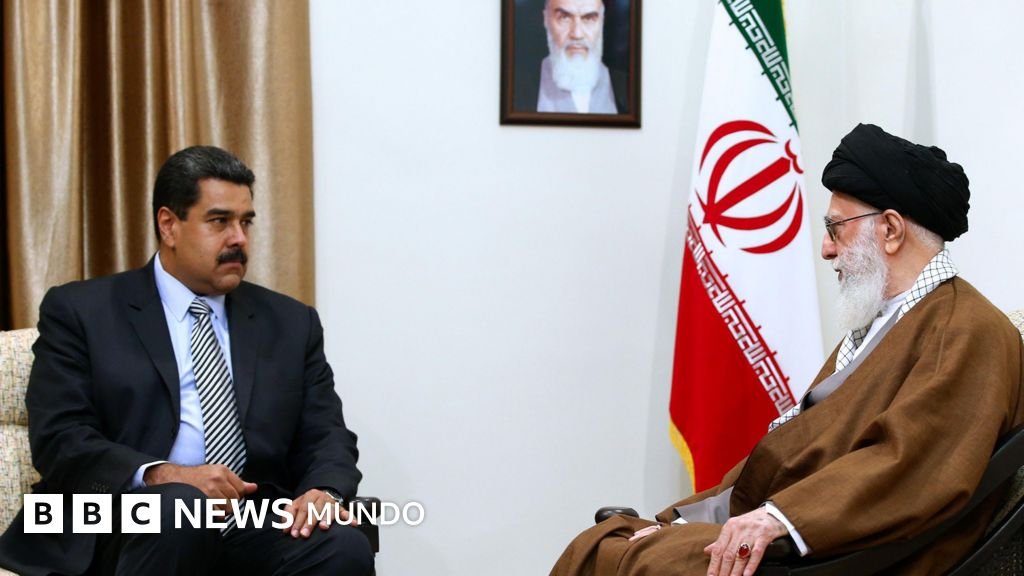
The Complexities of Replicating the Venezuelan Strategy in Iran
In this article, we explore the intricate challenges the United States faces in attempting to replicate its Venezuelan strategy in Iran. While recent events in Caracas have presented a relatively swift opportunity for political reformation, the situation in Iran is vastly more complicated due to its unique political structure, military capabilities, and societal diversity.
The New Approach to Venezuela
The essence of the U.S. strategy in Venezuela involved removing the leader and fostering agreements with key figures within the state apparatus to establish a political and commercial relationship favorable to the U.S. This approach gained momentum following the capture of former President Nicolás Maduro in early January. However, transferring this strategy to Iran is fraught with challenges.
Comparative Analysis: Venezuela vs. Iran
A Different Kind of Conflict
The U.S. actions in Venezuela and Iran showcase distinct military operations. In Venezuela, the U.S. executed a quick and targeted mission, resulting in the capture of Maduro and a smooth transition of power to Vice President Delcy Rodríguez. The Venezuelan state continued to function seamlessly in the aftermath.
Conversely, the assault on Iran involved a wide-ranging military campaign, claiming the lives of Supreme Leader Ayatollah Ali Khamenei and several other high-ranking officials. This operation escalated into a regional conflict, raising global security concerns.
Political Landscape Challenges
Even if the U.S. and Israel were to completely dismantle Iran’s defense capabilities, the political scene in Tehran remains complex. Unlike Venezuela, where power was concentrated around Maduro, Iran’s governance involves a multi-layered structure that disseminates authority among various religious, elected, and military institutions.
The Iranian system is designed to endure disruptions, having established mechanisms for succession that do not rely solely on the presence of a singular leader. Thus, Khamenei’s death does not necessarily indicate a collapse or an imminent shift in the political landscape.
Societal and Religious Factors
Iran’s societal fabric is markedly diverse. Unlike Venezuela, which, despite its issues, maintains a relatively homogeneous population, Iran is composed of various ethnic minorities. These groups, located in regions that have historically been hotspots for instability, could exploit a weakened government to establish their own control.
Geopolitical Considerations
Another significant contrast lies in the geopolitical weight of Iran compared to Venezuela. Despite Venezuela’s vast oil reserves, its influence on global politics and military reach is minimal. In contrast, Iran plays a crucial role in the Middle East, often exerting influence through a network of allied militia groups, which amplifies the stakes of any military intervention.
The Role of Israel
The Israeli government under Benjamin Netanyahu exhibits a starkly different perspective than that of President Trump’s administration regarding Iran. While the U.S. may entertain agreements to stabilize the situation, Israel’s leadership seems intent on dismantling Iran’s regime entirely, complicating any potential negotiations.
Conclusion
The prospect of applying the U.S.’s Venezuelan strategy to Iran encounters numerous obstacles. From Iran’s complex political framework and diverse societal composition to significant geopolitical implications, the situation calls for a more nuanced approach than was necessary in Venezuela.
Key Takeaways
- The U.S. strategy in Venezuela involved swift military action leading to a relatively smooth political transition.
- Iran’s political landscape is deeply intricate, making a similar strategy much more challenging.
- Societal diversity in Iran could pose additional risks during any attempted political transition.
- Geopolitical interests and the role of Israel complicate the potential for a peaceful resolution in Iran.