
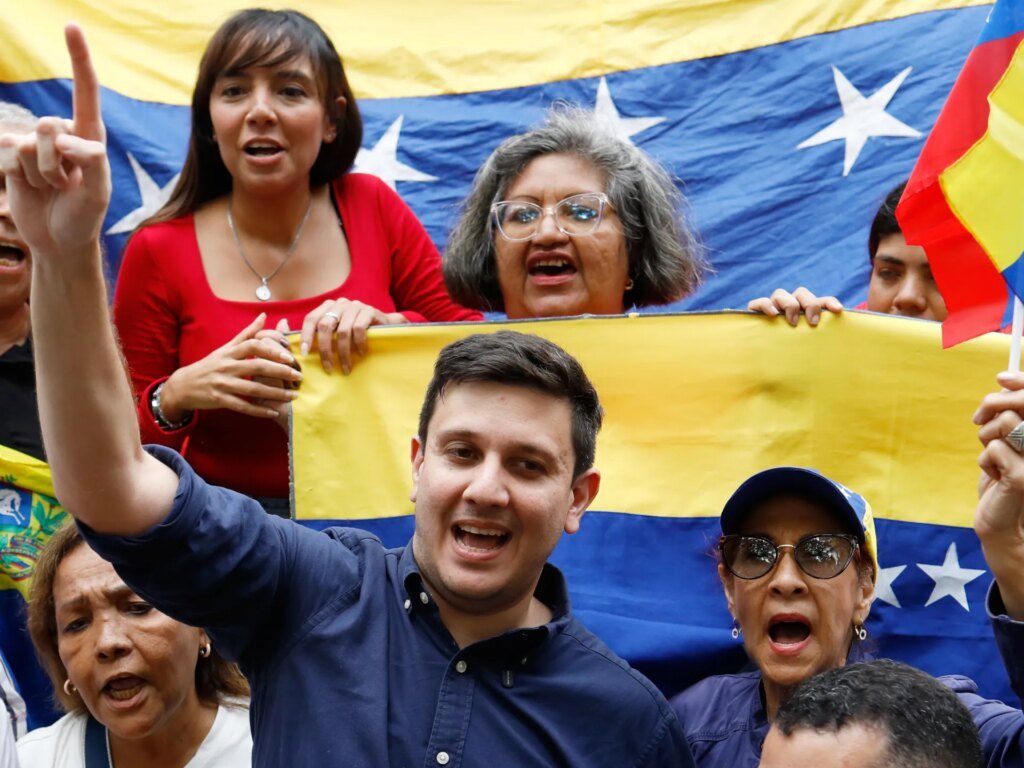
The Ongoing Struggle for Freedom in Venezuela
The story of Jesus Armas highlights the complex and often harrowing reality faced by political prisoners in Venezuela. While his homecoming marked a moment of joy, it was quickly overshadowed by the lingering fear of ongoing persecution. This phenomenon has many questioning whether recent legal changes really indicate a shift away from oppressive government practices.
Background of Repression
Armas’s troubles started when he took on a role as an organizer for the opposition during the highly contested 2024 presidential elections. These elections were met with widespread allegations of fraud, as the government of Nicolás Maduro refrained from releasing official results. The opposition, advocating for transparency, produced evidence suggesting their candidate had achieved a significant victory. This dissent prompted an intense crackdown on those opposing the regime.
The Arrest and Harrowing Imprisonment
In December 2024, Armas faced arrest, a traumatic experience that began with him being blindfolded and subjected to torture in an undisclosed location. He described being bound to a chair for several days and suffocated with a plastic bag. Eventually, he was placed in a grim cell overcrowded with fellow inmates and faced deplorable conditions, including a rat infestation. For a staggering ten months after being transferred to El Helicoide, he lost all communication with friends and family.
A Moment of Hope
Upon his release, Armas found a brief moment of celebration as he participated in a motorcycle parade with fellow former inmate Juan Pablo Guanipa, a notable opposition figure. The day was filled with excitement, as they visited the families of other political prisoners. However, that optimism was short-lived; Guanipa was soon abducted by masked individuals, leaving Armas in a state of anxiety and fear.
The Fear of Repercussions
Armas reflects on that night, expressing how his joy of being reunited with his family was overshadowed by the uncertainty of Guanipa’s fate. Despite the adrenaline rush from their brief celebration, the pervasive fear of the government’s repressive tactics loomed large. Guanipa was later accused of violating release terms, although the specifics of these restrictions remain unclear. His detention escalated to house arrest, accompanied by an electronic monitoring device.
Legislative Changes and Continuing Concerns
Recent legislative reforms, including a newly passed amnesty bill, gave hope for a potential easing of the oppressive environment. However, Guanipa voiced skepticism about the effectiveness of these changes. He contended that the new laws were riddled with exclusions and loopholes, rendering them ineffective for many unjustly imprisoned individuals. In social media posts, he openly criticized the legislation as a tool for manipulation rather than genuine amnesty.
The Reality of Ongoing Repression
Human rights advocates, like Tineo, assert that the threat of re-arrest indicates the Venezuelan government’s insincerity regarding its commitment to ending political repression. She emphasized that as long as judicial limitations exist for these newly freed individuals, and as long as the “revolving door” of detention persists, true freedom will remain elusive for many. The pattern of re-arrest following release signifies that the policy of persecution is far from over.
- Jesus Armas’s homecoming highlights the ongoing struggle for freedom in Venezuela.
- His arrest was part of a broader governmental crackdown on political dissent post-2024 elections.
- Despite recent legislative changes, fears of re-arrest continue to plague former prisoners.
- The new amnesty bill is seen as flawed and may not provide genuine relief for many.