
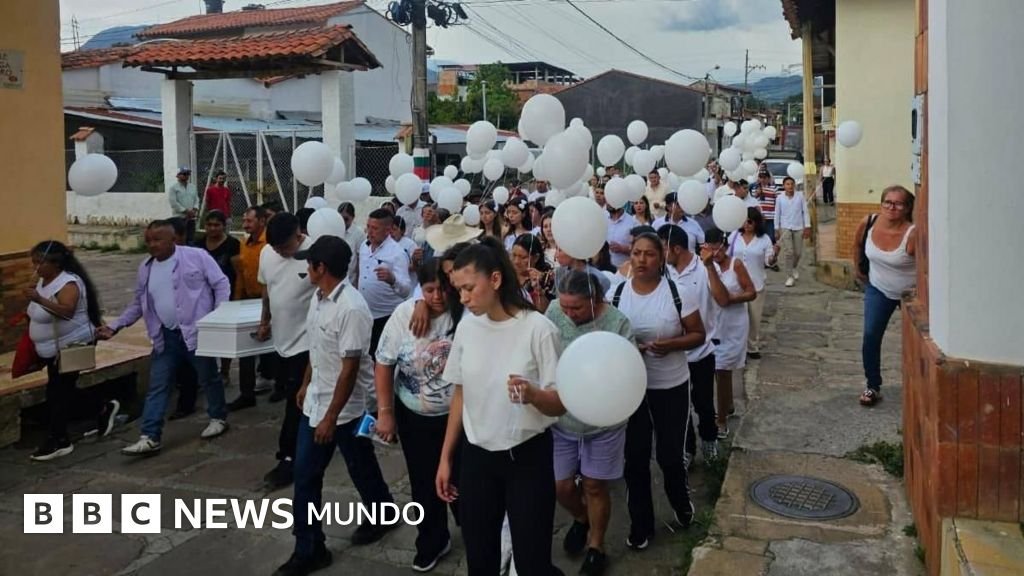
The Tragic Story of Kevin Arley Acosta and Colombia’s Healthcare Crisis
In February 2026, the heart-wrenching story of 7-year-old Kevin Arley Acosta, who suffered from severe hemophilia, took a tragic turn. After an accident while riding his bicycle in Huila, Colombia, Kevin was hospitalized for 24 hours, experiencing severe bleeding from his nose and ear. Despite his mother, Yudy Katerine Pico, urgently pleading for the necessary medication, the medical staff offered no assistance, citing bureaucratic delays. Unfortunately, just over a day later, Kevin passed away, underscoring a larger crisis within Colombia’s healthcare system.
The Struggles of Kevin’s Family
Kevin Arley’s life was marked by challenges due to his condition, as he had battled hemophilia A since he was just nine months old. According to Yudy, the situation worsened dramatically when they received a notice from their health provider, Nueva EPS, informing them that the essential medication was no longer covered under their plan. This medication can cost upwards of $11,000 per month and is crucial for preventing bleeding episodes associated with hemophilia.
On February 8, when Kevin fell off his bike and began bleeding, Yudy rushed him to the local hospital in Palestina, only to discover he needed to be transferred to a larger facility in Bogotá. Despite her continued pleas for treatment and transport, her requests were met with indifference. She recalled, “The boy bled from his ear and nose for 24 hours, and they did nothing.” It wasn’t until the late afternoon of February 9 that a transfer was finally arranged; tragically, Kevin succumbed shortly after arriving in the capital.
The Reaction from Authorities
In the wake of Kevin’s death, President Gustavo Petro addressed the situation, suggesting that the family bore some responsibility due to the nature of Kevin’s condition. He stated, “If a child with hemophilia isn’t allowed to ride a bicycle, there are fewer risks; it’s a matter of prevention.” His comments prompted fierce criticism from various sectors, including the Colombian Society of Pediatrics, which rejected any attempt to blame families during such a painful time.
Yudy placed the blame squarely on the shoulders of the EPS, saying, “They are responsible for my son’s death and the pain I’m enduring because they act with complete disregard.” This sentiment resonated deeply with many who felt the healthcare system had failed Kevin and his family.
A System in Crisis
Kevin’s tragic narrative highlights a broader issue plaguing Colombia’s healthcare system, which was identified in a report by the Prosecutor’s Office in December 2025. The report revealed that a growing number of Colombians are resorting to legal actions to access treatments that should be covered by their EPS. The country operates under a mixed healthcare system divided into contributory and subsidized regimes, necessitating that all citizens be affiliated with an EPS according to their income level.
EPS receive government funding for each member, expected to cover medical expenses. However, many insurers claim that they lack sufficient funds, despite the government announcing record payments to them. The current administration’s controversial interventions targeted several EPS, including Nueva EPS, arguing that cost overruns and corruption diminished the available resources.
Unfortunately, evidence suggests these interventions worsened the situation. Following the intervention of Nueva EPS, service costs rose sharply; in fact, the expense to provide health services exceeded income, with a reported dramatic increase from 95.6% in 2022 to 121% in 2023.
Conclusion
The tragic story of Kevin Arley Acosta serves as a stark reminder of the urgent healthcare challenges facing Colombia. It calls into question the system’s ability to provide timely and necessary medical assistance, leaving families at a significant disadvantage. As policymakers navigate this crisis, the hope remains that no other child will suffer such a fate due to systemic failures.
Key Takeaways
- Kevin Arley Acosta suffered from severe hemophilia and tragically passed away due to inadequate medical response.
- His family’s challenges spotlight systemic failures within Colombia’s healthcare system, particularly surrounding EPS coverage.
- The Colombian government acknowledges the need for reforms but faces public outcry over perceived blame placed on families.
- The crisis calls for urgent attention to ensure all citizens receive adequate healthcare without bureaucratic hindrances.