
Rebuilding Trust in Post-Genocide Rwanda
In the aftermath of the horrific events of 1994, Rwanda has embarked on a challenging journey of reconciliation. This article delves into how survivors and former perpetrators navigate their tumultuous past, striving to pave the way for coexistence.
The Context of the Genocide
In just 100 days, nearly a million lives were lost during a genocide fueled by years of ethnic tension and political manipulation. The Hutu-led violence aimed at the Tutsi population left a nation in ruins, transforming neighbors into adversaries and shattering communities.
The Journey Towards Reconciliation
Years later, Rwanda continues to grapple with rebuilding trust among its people. A significant aspect of this healing process involves the Gacaca courts—traditional community tribunals that facilitate reintegration. In this framework, instead of lengthy prison sentences, those who committed crimes are encouraged to confess openly, acknowledge their actions, and seek forgiveness from survivors.
Facing the Past
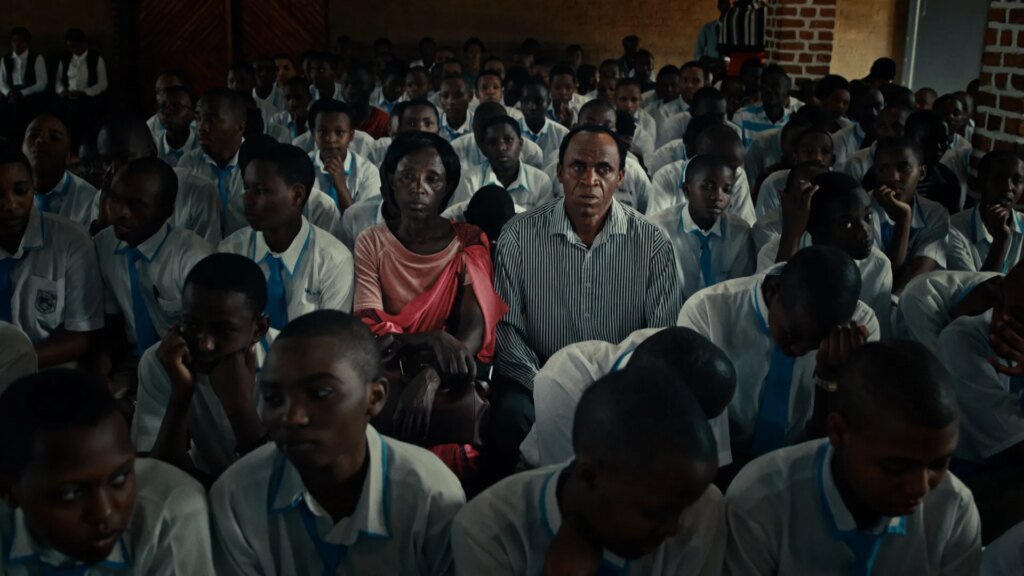
The story follows Karenzi, a former perpetrator who returns to his village after participating in the Gacaca system. This journey compels him to confront the reality of his actions and engage in dialogue with those who remember the pain he caused.
Building a Dialogue
As Karenzi begins a dialogue with Murakatete, a survivor, the narrative unfolds around the importance of truth-telling and accountability in fostering mutual healing. The concept of Mvura Nkuvure, which means “I heal you, you heal me,” embodies the spirit of their interaction. Through open conversations, both individuals strive for reconciliation, navigating the challenges that come with confronting their shared history.
The Path Forward
This film, directed by Fatima Lianes, captures the evolving process of reconciliation in Rwanda. It highlights how the courage to face one another, despite catastrophic loss, is instrumental in rebuilding relationships and forging a path toward healing.
Conclusion
The ongoing reconciliation efforts in Rwanda serve as a reminder of the power of dialogue and forgiveness in overcoming even the most profound divisions. As survivors and former perpetrators engage in conversation, they contribute to a narrative of hope and renewal.
Key Takeaways
- The 1994 Rwandan genocide resulted in nearly one million deaths, deeply dividing communities.
- The Gacaca courts promote healing through truth-telling and seeking forgiveness.
- Engagement between survivors and former perpetrators is crucial for rebuilding trust.
- The principle of mutual healing is integral to Rwanda’s ongoing reconciliation efforts.