
The Impact of Saif al-Islam Gaddafi’s Death on Libya’s Political Landscape
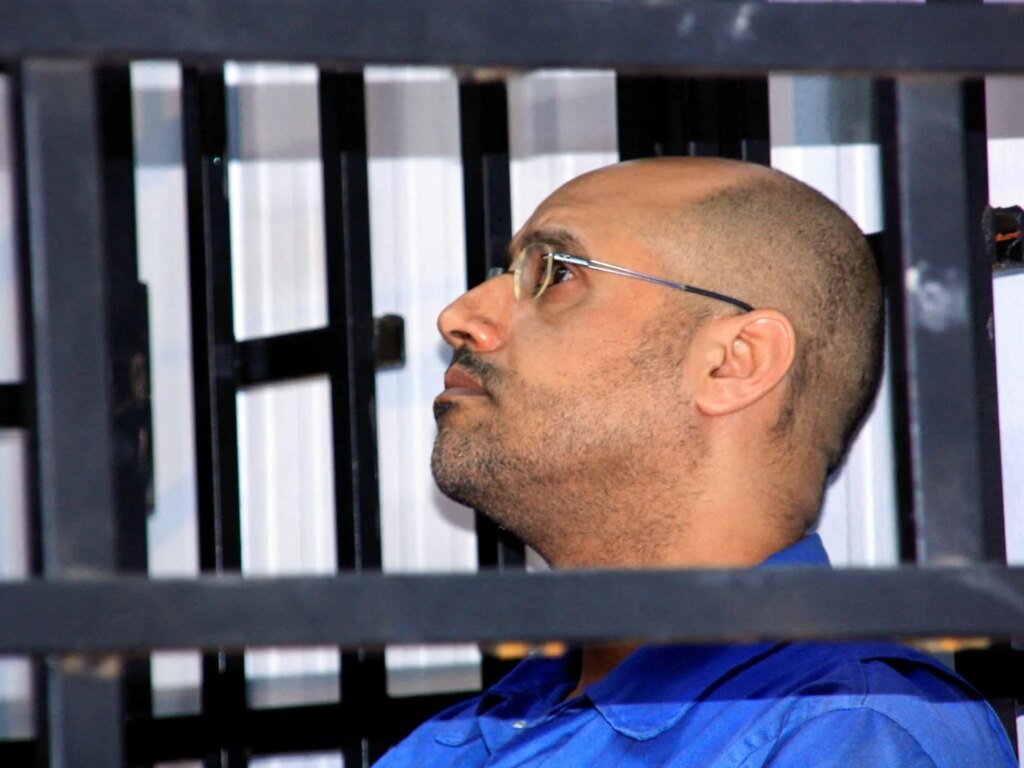
Saif al-Islam Gaddafi, the last notable surviving son of the former Libyan leader Muammar Gaddafi, has been killed, marking a pivotal moment in Libya’s ongoing political saga. His death, which occurred in Zintan at the age of 53, signifies the end of a figure who held considerable symbolic weight among certain Libyan factions, while simultaneously being viewed with disdain by others as a remnant of a dictatorship. This article will explore the implications of his demise within the fractured political context of Libya.
The Context of His Killing
The assassination took place shortly after meetings intended to foster political unity between rival factions. Just days before, notable figures from the eastern military command and the Tripoli-based government convened in Paris for discussions aimed at resolving the ongoing divisions within the country. Reports of Saif al-Islam’s death suggest that four masked individuals forcibly entered his residence and shot him, underscoring the prevalent insecurity and complex political landscape in Libya.
Saif al-Islam: A Complex Legacy
Throughout his life, Saif al-Islam wielded a certain level of influence in Libya, despite lacking military power or territorial control like many of his contemporaries. Initially perceived as a reformist leader aligned with Western ideals, his trajectory shifted dramatically during the 2011 uprising when he took a confrontational stance against protesters, ultimately cementing his status as a figure associated with his father’s oppressive regime.
The Transformation into a Controversial Figure
His infamous speech during the protests, where he threatened “rivers of blood,” marked a significant transformation in his public image. According to political analysts, this moment transitioned him from a hopeful reformer to a staunch representative of the Gaddafi lineage. After being captured by rebels in 2011, he spent six years in detention, where his captors eventually turned into protectors, reflecting a complex relationship that belied his status as a prisoner.
The Struggle for Political Relevance
Upon his release in 2017, Saif al-Islam led a relatively subdued life, leaving many to speculate about his fate until he re-emerged in 2021 hinting at a political comeback. His attempt to register for the presidential election stirred significant controversy, despite his disqualification due to a previous war crimes conviction. Nevertheless, he maintained a following among those yearning for the stability reminiscent of his father’s regime.
The Shifting Power Dynamics in Libya
The implications of his death are particularly pronounced in eastern Libya, where allegiances overlap with those of the military commander Khalifa Haftar. Although both figures shared mutual supporters, their relationship has always been marked by distrust, primarily due to Haftar’s past defection from the Gaddafi regime. Tensions escalated during the 2021 elections when Haftar-aligned forces thwarted Saif al-Islam’s electoral ambitions.
The Ramifications of Gaddafi’s Death
While Saif al-Islam Gaddafi’s death could initially benefit Haftar, as it eliminates potential competition for influence, experts predict that the broader consequences for Libya’s political landscape will be minimal. Since the upheaval in 2011, support for the Gaddafi family has splintered, with many former loyalists now aligned with various factions. Although Saif al-Islam’s demise represents a symbolic loss, it is unlikely to precipitate drastic changes in the entrenched political deadlock.
Conclusion
Saif al-Islam Gaddafi’s assassination serves as a stark reminder of Libya’s tumultuous political divisions. While it may close one chapter on the Gaddafi legacy, the underlying struggles for power and unity are far from resolved. The country’s future remains uncertain, as it grapples with the aftermath of his death and the persistent factionalism that has defined its contemporary history.
Key Takeaways:
- Saif al-Islam Gaddafi’s death marks the end of a symbolic figure in Libya’s political landscape.
- His killing underscores the ongoing insecurity and complexity of Libya’s political climate.
- The impact of his demise is expected to benefit Khalifa Haftar, but major political shifts are unlikely.
- Libya remains divided, with the future political landscape uncertain following this significant event.