
Understanding the Recent Shark Bite Incidents in Australia
In recent days, four shark bite incidents within just 48 hours have sparked widespread concern along Australia’s eastern coast. Experts emphasize that it’s crucial to adopt a rational viewpoint about these occurrences and to recognize the factors that lead to such encounters.
A Shocking Series of Incidents
The situation has been described as “extraordinary” by shark researcher Chris Pepin Neff. On January 18, a 12-year-old boy sustained critical injuries from a shark bite while swimming in Sydney Harbour and unfortunately passed away shortly thereafter. The following day, an 11-year-old boy had his surfboard bitten at Dee Why Beach, just hours before another man was attacked and taken to the hospital in critical condition in nearby Manly. A few days later, on January 20, a fourth surfer suffered a chest injury when a shark bit his board approximately 300 kilometers up the coast.
Expert Insights
According to Pepin Neff, an associate professor of public policy at the University of Sydney, this sequence of incidents is the closest both in proximity and time he has observed over two decades of research. The rapid succession of attacks incited both local and international alarm, leading to the closure of numerous beaches amid fears of further assaults. Naturally, calls for shark culling have intensified.
What’s Causing the Increase in Shark Attacks?
Experts caution against immediate drastic measures, advocating instead for a deeper understanding of shark behavior and the need to reassess human-shark interactions. Several environmental factors likely contributed to the recent surge in incidents, with researchers emphasizing that sharks are not the root of the problem.
Environmental Influences
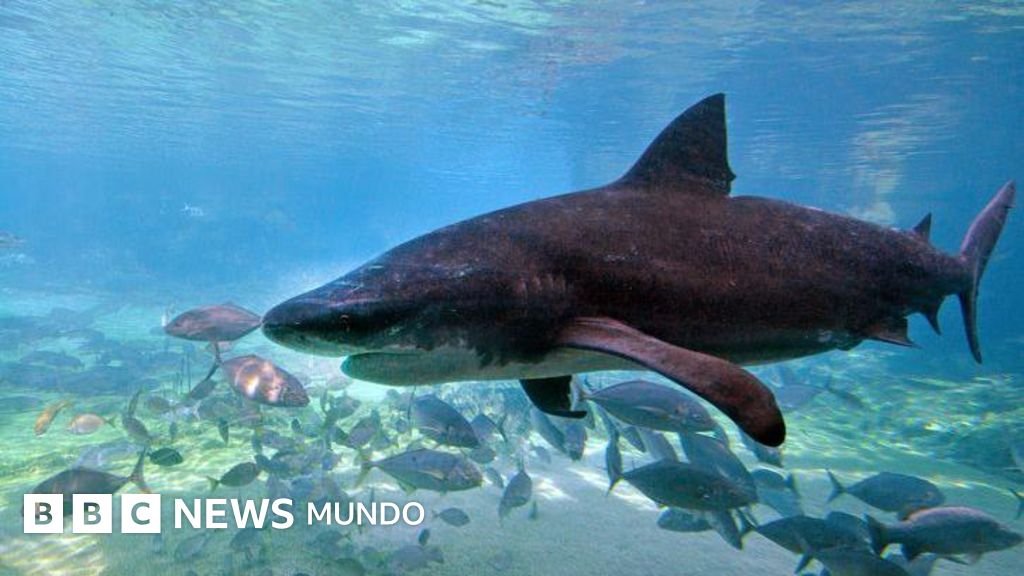
Unprovoked shark attacks are often associated with environmental conditions or attractants in the water. The three recent incidents in Sydney involved bull sharks and occurred after an unprecedented 127 millimeters of rain fell in a single day—the city’s wettest day in 38 years. This rainfall created “perfect conditions” for bull sharks, as explained by Rebecca Olive, a senior researcher at RMIT University.
“Bull sharks thrive in warm, brackish waters, which are typically avoided by other shark species. They enjoy river mouths and estuaries, so the influx of freshwater from recent rains was ideal for them,” Olive noted. Furthermore, this freshwater can wash sewage and nutrients into the sea, attracting bait fish and, consequently, sharks.
“It’s clear that there’s an attractant in the water,” Pepin Neff adds, suggesting that a “perfect storm” of low-salinity freshwater could have led to a “biodiversity explosion.” The combination of bait fish rising to the surface and bull sharks following suit near the coast is a contributing factor to the problem.
Are Shark Attacks on the Rise Overall?
Statistics indicate a gradual increase in shark bite incidents in Australia over the last 30 years. While numbers have climbed from around eight to ten incidents per year in the 1990s to averages of about twenty since the 2010s, this does not imply that sharks are becoming more aggressive.
Experts like Pepin Neff attribute the rising figures to enhanced data collection and various human-related factors. These factors include a growing coastal population, increased participation in water sports, and thicker wetsuits that allow swimmers to remain in the ocean longer.
Despite the heightened numbers, Olive points out that given the vast number of people who enter the ocean daily, incidents and fatal encounters remain relatively rare.
Perception of Shark Encounters
Olive highlights that if it appears sharks are more abundant or hazardous, it may be due to increased community awareness from better reporting systems and the proliferation of drone footage. Pepin Neff adds that vague terminology surrounding these encounters can inflate public fears and skew perceptions of the actual risks involved.
“When sightings, encounters, and bites are all categorized as a ‘shark attack,’ the perceived danger escalates beyond reality,” he explains. “There’s a challenge in accurately portraying events without resorting to the term ‘shark attack,’ leading to a somewhat exaggerated community response.”
Do Culling Measures Work?
Following the recent spate of attacks, calls for culling sharks have resurfaced. This generally involves using nets or baited lines to capture and kill sharks near popular beaches, but experts firmly oppose this approach.
Olive acknowledges the emotional reaction to shark attacks but strongly disapproves of culling as a means to create a false sense of security for ocean-goers. Pepin Neff reinforces that scientific research does not support the effectiveness of shark culling in reducing attack risks.
“Culling simply isn’t effective,” they argue. “It might provide a sense of comfort to politicians and activists, but it doesn’t make ocean activities safer.” The real issue isn’t the sharks themselves, they add, but rather the attractants that lead them to populated areas.
Awareness and Caution
For those looking to minimize the risk of shark encounters, Neff suggests increased awareness of conditions that enhance the likelihood of such encounters. This may involve avoiding swimming or surfing right after heavy rain. On a broader scale, municipalities could invest in designated swimming areas with protective enclosures.
Overall, it’s crucial for beach visitors to adopt a more realistic and pragmatic attitude toward the ocean. “In Australia, we have to treat the beach like the bush,” remarks Pepin Neff. “Australians know how to navigate the wild; we just need to reinforce that the ocean remains a wild environment.”
This change in perspective will require not only reevaluating our relationship with the water but also how we view sharks. “The idea that the ocean is always safe, but sharks are always dangerous, is misleading,” they stress. “The ocean isn’t always safe, and sharks aren’t always a threat. We’re in their habitat, not on their menu.”
Conclusion
As recent shark bite incidents have garnered attention, it’s essential to address the underlying causes and promote understanding rather than fear. Recognizing the factors at play can lead to more effective safety strategies and a healthier relationship with our oceans.
- Recent shark bites in Australia highlight environmental factors rather than increased shark aggression.
- Incidents have risen over the decades, reflecting better data collection and increased ocean participation.
- Culling measures are not supported by scientific evidence as a method to reduce risks.
- A pragmatic attitude toward the ocean can promote safety and awareness for beachgoers.