
Shifts in Defense Strategy: The Pentagon’s New Stance on North Korea
The Pentagon recently announced a shift in its approach to deterring North Korea, suggesting that South Korea will take on a more central role in this responsibility. This development has sparked concern in Seoul, especially given the ongoing security challenges in the region. The change in strategy is outlined in a Pentagon policy document released on Friday, reflecting a broader evolution in U.S. defense postures.
South Korea’s Evolving Defense Posture
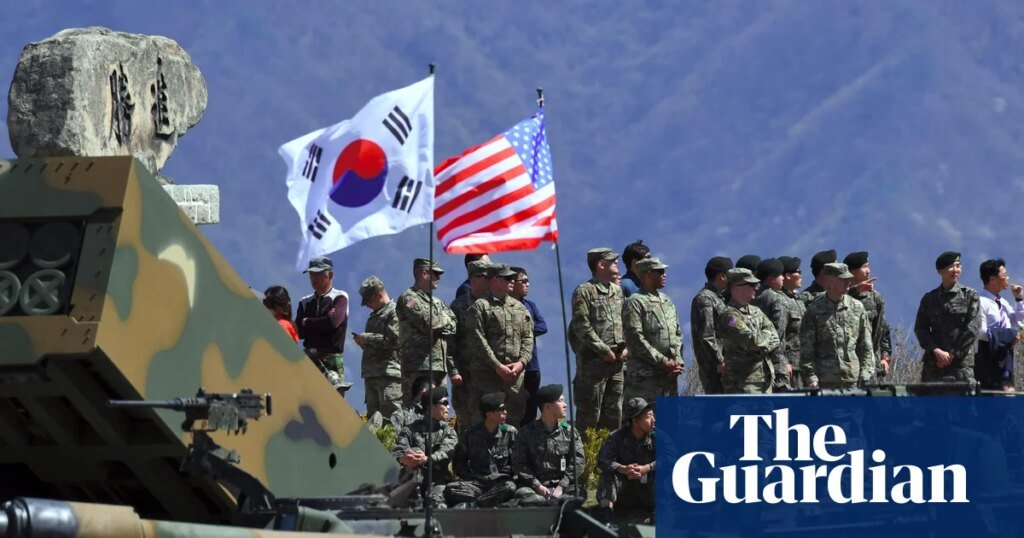
Currently, around 28,500 U.S. troops are stationed in South Korea, serving as a critical defense against North Korea’s military threats. In response to these challenges, South Korea has increased its defense budget by 7.5% for the current year. The National Defense Strategy document notes, “South Korea is capable of taking primary responsibility for deterring North Korea with critical but more limited U.S. support.”
This realignment in responsibilities is seen as part of America’s strategy to update its military presence on the Korean Peninsula. U.S. officials have increasingly indicated a desire to allow American troops in South Korea to respond to a wider range of threats, which include defending Taiwan and countering China’s expanding military influence.
South Korea’s Military Enhancements
While there are concerns regarding the role of U.S. troops, South Korea has been focused on bolstering its own military capabilities over the past two decades. With a professional military force of approximately 450,000 personnel, South Korea has expressed ambitions to assume wartime command of U.S.-South Korean forces.
South Korean President Lee Jae-myung has advocated for increased defense autonomy, taking a critical stance against the notion that self-reliance in defense necessitates foreign troops. This push aligns with a broader agenda labeled “alliance modernization” during the previous U.S. administration.
Continued Importance of U.S. Forces
Despite the shift towards increased South Korean responsibility, South Korea’s defense ministry reaffirmed that U.S. Forces in Korea remain a cornerstone of the alliance, vital for deterring North Korean aggression.
Interestingly, the Pentagon’s latest document does not address the goal of denuclearizing the Korean Peninsula, marking a departure from previous strategies. The Biden administration, in its 2022 defense documents, explicitly included “complete and verifiable denuclearization” as a future objective. This omission suggests a potential pivot towards managing North Korea’s nuclear capabilities rather than pursuing their outright elimination.
A Broader Defense Focus
The comprehensive strategy document emphasizes the importance of defending U.S. territories, especially in the Indo-Pacific region. It articulates the aim of preventing China from gaining dominance over the U.S. and its allies. The document highlights the possibility of securing a stable peace that favors American interests while being acceptable to China, without resorting to regime change or conflict.
In the context of tensions surrounding Taiwan, the document does not specify the island but acknowledges China’s claim to the region. Taiwan, governed democratically, has firmly rejected Beijing’s sovereignty assertions, insisting that its future should be determined solely by its people.
Conclusion
The Pentagon’s new approach to North Korea signals a significant shift in defense strategy, with South Korea taking a more prominent role in regional security. As both nations navigate these changes, the focus will remain on maintaining stability and addressing the evolving threats posed by North Korea and China.
- The Pentagon outlines a shift in responsibility for deterring North Korea, emphasizing South Korea’s primary role.
- South Korea has increased its defense budget and enhances its military capabilities, aiming for greater autonomy.
- The absence of denuclearization goals in the recent Pentagon document indicates a shift toward managing North Korea’s nuclear arsenal.
- U.S. forces in Korea remain critical to deterring aggression and maintaining regional stability.