
International Reactions to Trump’s Greenland Proposal
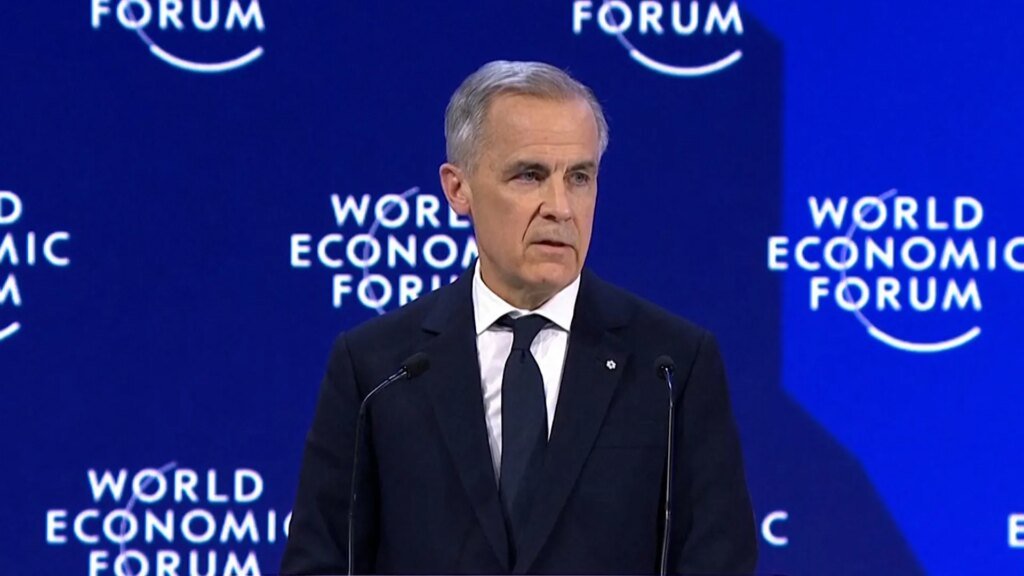
On Tuesday, US allies expressed their concerns regarding President Donald Trump’s controversial suggestion to acquire Greenland. Canadian Prime Minister Mark Carney, while addressing attendees at the Davos conference, raised the idea of envisioning a world where the United States does not hold the dominant leadership position it once did.
Global Perspectives on Leadership
The remarks made by Prime Minister Carney resonated during a crucial moment as nations grapple with the implications of changing global dynamics. By hinting at the potential need to rethink alliances and leadership, Carney underscored a growing sentiment among allies that they may need to adapt to a future without American hegemony.
This conversation comes amid rising uncertainties, particularly regarding international diplomacy and cooperation. The suggestion of acquiring Greenland has drawn criticism not only from political figures within the US but also from foreign leaders who are concerned about the long-term impacts on global relations.
Diplomatic Implications
Many allies are contemplating how US policies affect their own national interests. The idea of a unilaterally aggressive stance, such as claiming territory, is seen as a significant departure from established norms in diplomatic relations, potentially sparking tension.
Countries across Europe and beyond are evaluating their strategies in response to this shift, focusing on maintaining stability while preparing for a more unpredictable landscape. Carney’s comments reflect a broader concern that may lead to increased collaboration among nations as they look to safeguard mutual interests.
A Future of Collaboration?
In light of these developments, there may be a strong push for enhanced alliances among nations traditionally aligned with the US. As leaders gather in forums like Davos, discussions on cooperative approaches to shared challenges, such as climate change and global security, will likely take center stage.
Such collaboration may signify a turning point in international relations, where countries are encouraged to work together more closely rather than relying solely on one major leader. This evolving landscape could redefine how global governance is conducted, especially among allies who may feel uneasy about changing dynamics.
Conclusion
The reactions to President Trump’s proposition regarding Greenland serve as a catalyst for discussions about the future of global leadership. With allies like Canada expressing the need to rethink their strategies, it becomes evident that the era of relying on unilateral US actions may be drawing to a close.
- Prime Minister Carney calls for a reimagining of global leadership amidst Trump’s Greenland remarks.
- Allies express concerns about the implications of aggressive US foreign policy.
- Potential for increased alliances and cooperation among nations moving forward.
- Changing dynamics may lead to a redefined approach to international relations.