
Canada’s Trade Shift Amidst U.S. Tariffs
The ongoing tariff actions by U.S. President Trump have prompted Canada to adjust its trade relationships, moving closer to China. Recently, Ottawa, a key ally of the United States, entered an agreement aimed at liberalizing trade in agricultural products and electric vehicles.
The Impact of Tariffs
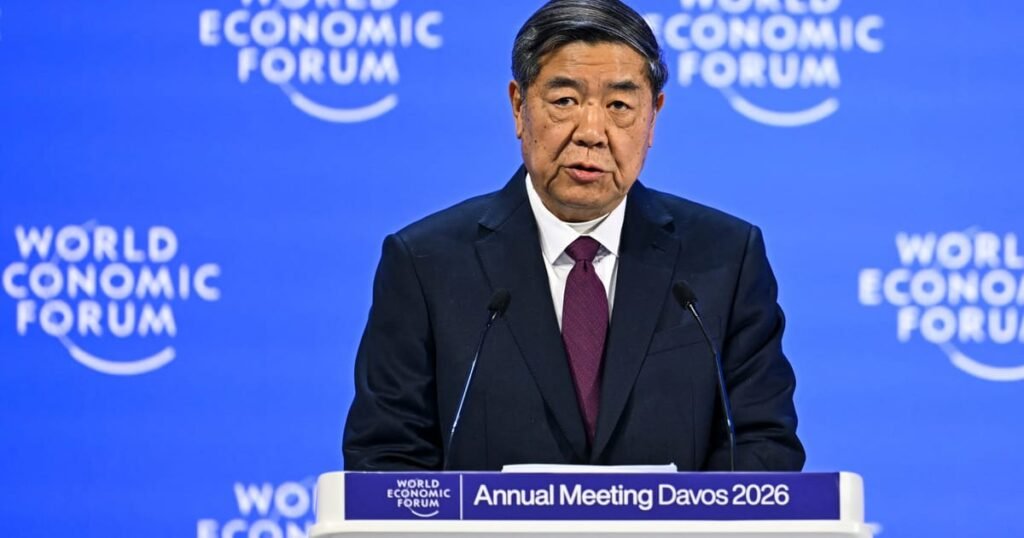
Vice Premier He highlighted the detrimental effects of tariffs, stating, “Tariffs and trade wars have no winners.” He emphasized the advantages of free trade and the importance of economic globalization, noting that the global trade system is currently facing significant challenges.
A Call for Global Cooperation
He urged nations to avoid withdrawing from globalization and trade liberalization, which have played vital roles in the rapid development of several countries, including China. While acknowledging that globalization is not flawless, he stressed that it would be misguided for nations to retreat into self-imposed isolation.
China’s Economic Landscape
Addressing concerns regarding China’s economic model, which achieved a historic trade surplus of nearly $1.2 trillion in 2025, He acknowledged fears within Europe about the impact on local industries, particularly automotive.
Intentions Beyond Exports
According to He, China is not solely focused on exporting goods but aims to become “the world’s market.” However, he pointed out a challenge: “When China wants to buy, other countries don’t want to sell.” Restrictions imposed by the U.S. on advanced microchip sales to China underline this issue.
Domestic Demand as a Priority
Beijing is prioritizing the stimulation of domestic demand, He explained. Yet, despite efforts, household consumption has been on a steady decline, accounting for less than 40% of GDP last year compared to a global average exceeding 60%, according to World Bank data.
Potential Economic Growth
Many economists believe that increasing household income would allow China to better manage its production surplus and boost demand for international products, including luxury items from Europe.
Open Doors for Global Business
He encouraged international companies to tap into the opportunities arising from China’s expanding domestic market. “We invite businesses from around the world to provide more and better products and services to explore China’s consumer market even further,” he stated. “China will continue to open its doors to the world.”
Conclusion
The evolving trade dynamics in response to U.S. tariffs underscore the shifting relationships between countries, particularly between Canada and China. As these countries forge new trade agreements, the global economy faces both challenges and opportunities for growth.
Key Takeaways
- Canada moves closer to China as a response to U.S. tariffs.
- Vice Premier He emphasizes the risks of moving away from globalization.
- China aims to boost domestic demand while managing exports.
- Global businesses are encouraged to engage with China’s expanding consumer market.