
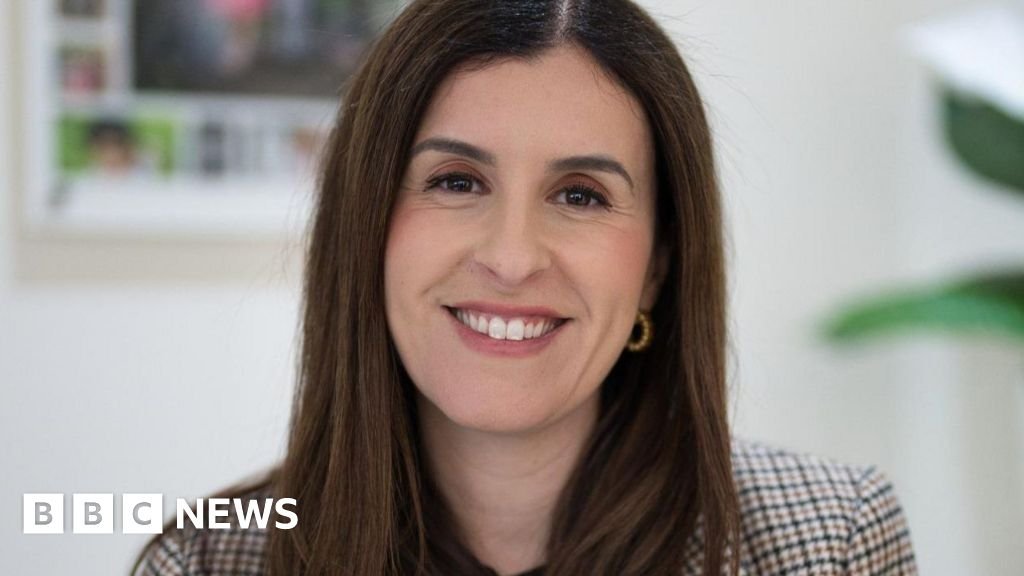
Backlash Over Author’s Exclusion from Adelaide Festival Sparks Controversy
The prestigious Adelaide Festival is facing upheaval following the decision to uninvite Dr. Randa Abdel-Fattah, a noted Australian-Palestinian author, amidst criticisms and a wave of withdrawals from other participating writers. This highly charged situation has ignited debates about freedom of speech, community sensitivity, and the arts’ role in discussions around complex issues like the Israel-Palestine conflict.
The Controversy Surrounding Dr. Randa Abdel-Fattah
The Adelaide Festival’s board recently announced that Dr. Abdel-Fattah was disinvited from Writers’ Week due to “sensitivities” relating to violence that erupted during a Jewish festival in Bondi Beach, where a shooting claimed the lives of 15 individuals. The attack was linked to alleged ties with the Islamic State militant group. While the board clarified that there was no implication of Abdel-Fattah’s involvement, they labeled her presence as culturally insensitive due to her previous statements.
Dr. Abdel-Fattah vehemently opposed this decision, labeling it as “blatant anti-Palestinian racism and censorship.” She condemned the connection drawn between her and the tragic incident as “despicable.” Following this announcement, a mass exodus ensued, with over 180 authors, including notable figures like Jacinda Ardern and Zadie Smith, choosing to withdraw from the festival as a stand for free speech.
Implications for the Festival and the Community
The fallout led to resignations within the festival’s board, including the chair. Louisa Adler, one of its directors, emphasized the importance of artistic freedom, stating, “I cannot be party to silencing writers.” She expressed concerns that excluding voices like Abdel-Fattah’s weakens freedom of expression and creates an environment where challenging ideas are suppressed.
The controversy over Dr. Abdel-Fattah’s disinvitation amplifies ongoing tensions over artistic expression during the current conflict in Gaza. Adler noted that artists often face backlash from political entities, which has become increasingly pronounced amid the recent events.
Dr. Abdel-Fattah’s Background and Criticism
A well-regarded novelist and academic, Dr. Abdel-Fattah was brought to the festival to discuss her latest work, which critiques societal silence and cowardice. However, her previously outspoken views on Zionism and controversial social media posts have stirred criticism. For instance, following a major attack by Hamas on Israel, she posted an image referencing victory, which drew intense backlash amid the ensuing violence that resulted in significant casualties.
While Dr. Abdel-Fattah clarified that her post came before the full extent of the attack was realized, it hasn’t shielded her from ongoing scrutiny, including opposition calls for the cancellation of her research funding due to alleged misconduct, which she was later cleared of.
The Argument of Hypocrisy
Critics, including some media figures and political representatives, have pointed fingers at Dr. Abdel-Fattah, accusing her of hypocrisy. They reference an earlier incident where she purportedly demanded the exclusion of New York Times columnist Thomas Friedman from the festival due to controversial comments about Middle Eastern cultures. Dr. Abdel-Fattah rebutted these claims, stating that her reasoned opposition to rhetoric justifying violence should not equate to a request for silencing voices.
Reactions from the Literary Community
The literary community’s response has been largely critical of the festival’s board, with many stressing the necessity for free thought and expression, even amid uncomfortable conversations about geopolitics. Notably, Australian journalist Peter Greste claimed the festival’s stance was undermining vital discussions and noted the danger of allowing extremists to dictate narratives.
Public figures such as Kathy Lette and Evelyn Araluen have also spoken out, framing the decision as a troubling capitulation to foreign pressure at the expense of artistic integrity. While there are voices in support of the exclusion, such as former Foreign Minister Bob Carr, the general sentiment leans heavily in favor of defending free speech.
Future Developments
Moving forward, Dr. Abdel-Fattah’s legal team is questioning the basis for the festival’s exclusion decision, asserting that the board’s actions violate her rights. The artist has sought an apology and consideration for her reinstatement, though she now feels the moment for reconciliation has passed.
With the festival scheduled to take place at the end of February, it remains in a complex and unprecedented situation. Festival leadership has acknowledged the heightened community response and promises ongoing dialogue as they navigate this moment.
- The Adelaide Festival faces backlash over Dr. Abdel-Fattah’s exclusion, sparking a wide withdrawal of writers.
- Critics defend Dr. Abdel-Fattah’s right to free speech amidst accusations of cultural insensitivity.
- The situation highlights ongoing tensions regarding artistic expression in politically volatile contexts.
- Future developments may see legal challenges as discussions around community and individual rights continue.