
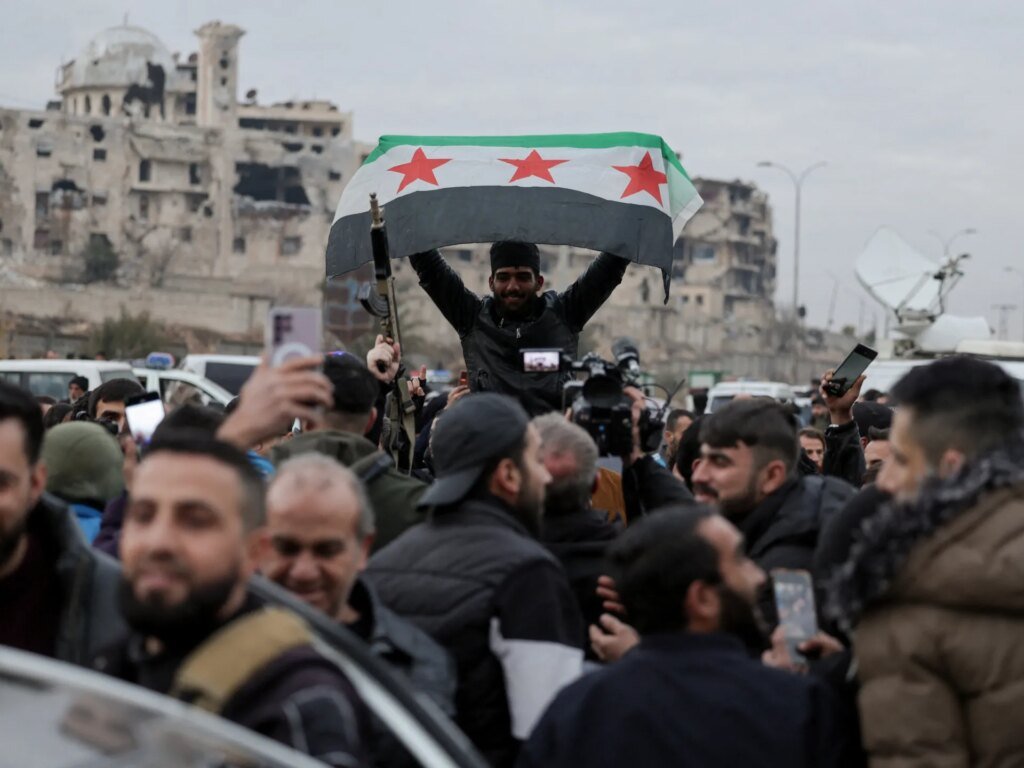
Last Fighters Withdraw from Aleppo: A New Chapter for Syria
The recent withdrawal of the last fighters from the Syrian Democratic Forces (SDF) has marked a significant turn of events in Aleppo. Following a ceasefire that allowed for peaceful evacuations after intense clashes, the Kurdish-led group has officially exited the city. This article delves into the details surrounding this pivotal moment, including the implications for both the SDF and the Syrian government.
Controlled Withdrawal and Ceasefire
According to Aleppo Governor Azzam al-Gharib, the city is now devoid of SDF fighters, as government forces organized their transfer out of the area using buses. This development came in the wake of a ceasefire agreement that facilitated the evacuation of the SDF members amid ongoing hostilities.
Understanding Through Mediation
SDF commander Mazloum Abdi, often referred to as Mazloum Kobani, announced that international mediation played a crucial role in achieving this understanding. He emphasized the importance of the agreement for securing the safety of both civilians and fighters during their departure:
“We have reached an understanding that leads to a ceasefire and securing the evacuation of the dead, the wounded, the stranded civilians, and the fighters from the Ashrafieh and Sheikh Maqsoud neighbourhoods to northern and eastern Syria,” he stated in a recent post on X.
He also urged mediators to uphold their commitments to ensure no further violations occur and to assist displaced individuals in returning home safely.
Background of the Conflict
The recent unrest in Aleppo escalated due to the Syrian army’s takeover of the predominantly Kurdish Sheikh Maqsoud neighbourhood, a situation that arose after failed negotiations regarding the integration of SDF into the national military forces. Over the course of a few intense days, clashes resulted in at least 30 fatalities and left over 150,000 individuals displaced.
International Involvement
Reporting from Damascus, Al Jazeera’s Ayman Oghanna noted that the United States played a critical role in mediating an agreement between the SDF and the Syrian government. With established relationships on both sides, Washington has been instrumental in navigating the complex dynamics of the region:
“The US is in a unique position, because it enjoys good relations with the SDF and the government,” Oghanna mentioned, indicating this complex diplomatic balance has persisted over a decade of battling ISIL (ISIS).
Moreover, following the fall of former President Bashar al-Assad’s government in 2024, the US has fortified ties with Ahmed al-Sharaa, the rebel commander recognized as Syria’s interim leader.
The Future for the SDF
The conflict, which dated back to Tuesday in the Kurdish-dominated areas like Sheikh Maqsoud, Ashrafieh, and Bani Zaid, originated from the unfulfilled conditions of a March 2025 agreement that aimed to reintegrate the Kurdish forces into Syrian state institutions. The deadline for this agreement had already lapsed, leaving the SDF unwilling to vacate regions they’ve held since the onset of the Syrian civil war in 2011.
Long-Term Challenges Ahead
Despite the ceasefire and end to fighting in Aleppo, Oghanna warns that the underlying issues still pose significant threats to Syria’s stability. He stated, “The fault line, the backdrop for this fighting, remains.” The integration of the SDF into the national framework continues to be one of the most challenging aspects of achieving long-term peace in the region.
The SDF boasts a sizeable fighting force, with estimates ranging from 50,000 to 90,000 personnel, predominantly stationed in the northeast where they govern nearly a quarter of Syria’s territory. The ongoing complications significantly diminish the chances of smooth integration into the national army, especially as the SDF holds on to its desire for regional autonomy.
- The SDF is likely to resist disarming amid ongoing tensions.
- Concerns about the control of northeast Syria are paramount for the SDF.
- The complexities surrounding SDF integration into state institutions continue to challenge national unity.
Conclusion
The recent developments in Aleppo mark a crucial juncture in the ongoing crisis within Syria. While the immediate fighting may have ceased, the broader implications for stability and the future governance of the region remain a contentious issue. The SDF’s desire to maintain a degree of autonomy reinforces the need for ongoing dialogue and resolution in the face of significant local and international pressures.
Key Takeaways
- A ceasefire has led to the withdrawal of SDF fighters from Aleppo.
- The U.S. played a key role in mediating peace between the SDF and the Syrian government.
- The situation in Syria remains fraught with challenges regarding national stability.
- The SDF’s future role continues to be a contentious issue, with significant implications for regional governance.