
Key Developments from Day 1,416 of the Russia-Ukraine War
The ongoing conflict between Russia and Ukraine continues to unfold, with significant events occurring as recently as January 10, 2026. This update highlights the latest fighting, international sanctions, and diplomatic efforts in response to the war.
Fighting
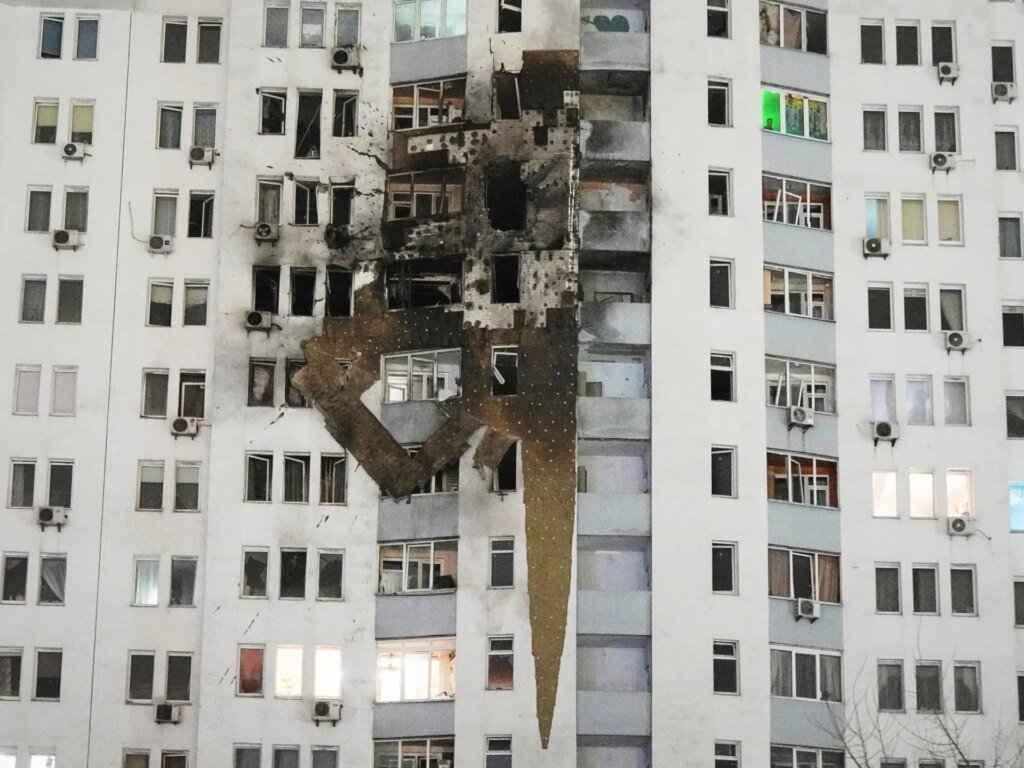
On January 10, Ukraine reported that the death toll from a major Russian assault on Kyiv, which began on the night of January 8, has reached four. The Ukrainian State Emergency Service shared this information via social media, noting that at least 25 individuals were injured, including five rescue workers.
The attack has left many residents in Kyiv without heat, electricity, or water, as temperatures plummeted to minus 10 degrees Celsius (14 degrees Fahrenheit). Mayor Vitali Klitschko stated that approximately half of the city’s nearly 6,000 apartment buildings are without heating due to substantial damage to critical infrastructure.
In a call for residents to consider leaving the city temporarily, Klitschko emphasized the dire circumstances. “We are facing a humanitarian crisis,” he mentioned on Telegram.
In another unfortunate event, Russian forces shelled a hospital in Kherson around midday on January 10, causing damage to the intensive care unit and injuring three nurses. The regional prosecutor’s office confirmed that the injured staff members were aged 21, 49, and 52, all present during the attack.
The World Health Organization’s head, Tedros Adhanom Ghebreyesus, condemned the ongoing assaults on healthcare facilities in Ukraine. According to his statement, there have been nine attacks since the start of 2026, resulting in one patient and one medical worker’s death, along with injuries to 11 others.
Tedros underlined that the attacks complicate healthcare delivery during the harsh winter months and called for urgent protection for medical facilities and professionals.
Additionally, Russian drone strikes targeted two foreign-flagged civilian ships in the Odesa region, resulting in the death of a Syrian national and injuries to another individual. On the flip side, a Ukrainian drone strike on a bus in Russia’s Belgorod region also reported four injuries, as noted by Russia’s TASS news agency.
In a further escalation, the Russian Ministry of Defence announced the seizure of five settlements in the Zaporizhia region, including Zelenoye. Reports from the Ukrainian battlefield monitoring site DeepState suggest Russian movements in Huliaipole and Prymorske, though no further shifts were announced.
Ukrainian President Volodymyr Zelenskyy highlighted a missile strike that occurred near the EU border as particularly provocative. Meanwhile, the International Atomic Energy Agency is seeking to create a temporary ceasefire zone near the Zaporizhzhia nuclear power facility after recent military activities caused damage to a high-voltage power line.
Sanctions
In related news, U.S. forces intercepted the Olina oil tanker, returning it to Venezuela to facilitate the sale of its oil under the newly established “GREAT Energy Deal.” As per U.S. government records, the Olina had been previously sanctioned for transporting Russian oil.
Ukrainian ambassador Olha Stefanishyna mentioned that Ukrainian nationals were part of the crew on the Russian-flagged tanker Marinera, which was also seized by U.S. forces due to its affiliations with Venezuela. On a positive note, the Russian Foreign Ministry expressed gratitude for the U.S. decision to release two Russian crew members from the Marinera, pledging to ensure their return home.
Politics and Diplomacy
The Ministry of Foreign Affairs of Qatar issued a statement expressing “deep regret” over damage inflicted on its embassy in Kyiv while confirming that no personnel were harmed. The ministry highlighted the importance of protecting diplomatic establishments and called for a resolution to the crisis through peaceful dialogue.
British Defence Secretary John Healey announced a funding allocation of 200 million pounds (approximately $270 million) aimed at supporting potential troop deployment preparations in Ukraine during his recent visit to Kyiv.
Furthermore, the leaders of the UK, France, and Germany condemned Russia’s launch of an Oreshnik intermediate-range ballistic missile in western Ukraine, describing it as “escalatory and unacceptable.” This was conveyed through a statement released by Prime Minister Keir Starmer’s office on the same day.
Conclusion
As the conflict in Ukraine intensifies, the consequences are dire, affecting civilians and healthcare systems alike. International reactions continue to unfold, from military responses to calls for diplomatic negotiations, emphasizing the urgent need for resolution.
Key Takeaways
- The recent attack on Kyiv has resulted in casualties and significant infrastructure damage.
- Global health officials are decrying the impact of the war on healthcare services.
- Western allies are enhancing support for Ukraine amid escalating tensions.
- Diplomatic efforts are ongoing, emphasizing the need for peaceful resolution.