
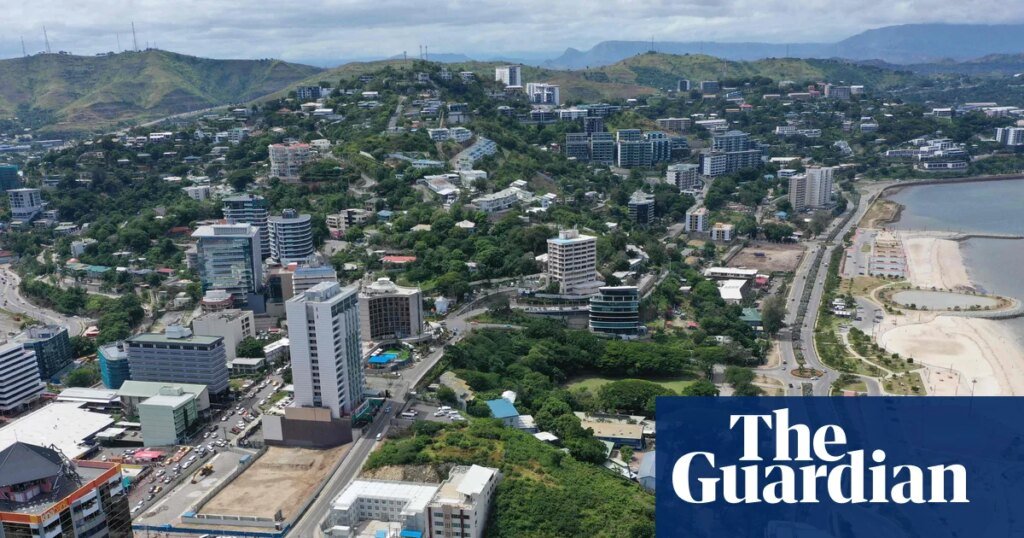
Rising Frustration in Papua New Guinea Following Starlink Shutdown
In recent weeks, Papua New Guinea has witnessed mounting frustration as the government halted Starlink’s operations, leaving businesses, health providers, and communities without vital internet access. Starlink, the satellite internet service owned by Elon Musk’s SpaceX, had been a lifeline for many in remote regions of the country.
Government Order and Licensing Issues
In mid-December, the National Information and Communications Technology Authority (NICTA) ordered Starlink to cease its operations, citing that it lacked the necessary licensing to operate in Papua New Guinea. Lume Polume, acting chief executive of NICTA, stated, “Starlink is currently not licensed to operate in Papua New Guinea, and until the legal process is completed, services cannot be allowed.”
As of now, NICTA is awaiting a directive from the ombudsman or the courts regarding Starlink’s licensing approval, but no timeline has been provided for this decision. Starlink has not publicly commented on the situation, although it indicated in a communication to its customers its desire to resume services in PNG once regulatory approvals are secured.
Impact on Communities
While no official statistics exist detailing Starlink’s user base in PNG, the sudden shutdown has caused significant distress among internet users across the nation. Analysts suggest that before the interruption, Starlink served thousands, often helping entire villages in remote locations where traditional mobile networks are unreliable or nonexistent. While alternative satellite services exist, they tend to be substantially more costly.
Voices of Concern
John Simon, a businessman and former MP, expressed dismay over the government’s actions, emphasizing the needs of everyday citizens and small businesses. “This is really bad for this country. Internet and online services have been very expensive and slow for years, yet we cannot listen to the little people out on the street and sort this out,” he lamented. He urged the PNG government to quickly address the situation, as ordinary citizens depend heavily on affordable internet options such as Starlink.
The government minister responsible for communications declined to comment on the matter.
Public Support for Starlink
A growing movement advocating for Starlink’s return is evident, with around 200 people signing an online petition calling for the company to be allowed to operate legally in the country. The repercussions of the shutdown extend beyond just connectivity; health workers and educators have reported that their work is being jeopardized without access to reliable internet. Businesses that rely on digital communication and payment processing have faced significant disruptions, forcing some farmers and traders to travel longer distances for essential services.
Simon Jack, a teacher in a remote area of Southern Highlands province, noted the adverse effects on students: “Students need internet to check their results and see where they have been selected to study this year. For many of them, Starlink was the only option that worked.”
Health worker Theresa Juni from East Sepik province echoed these sentiments, stating that Starlink enabled her clinic to efficiently communicate with doctors and promptly send reports. “Now we have to wait days or travel just to send information. For patients who need urgent care, these delays can be dangerous,” she explained.
Challenges in the Region
Starlink’s licensing complications are not unprecedented in the Pacific. In 2024, for example, the government of Tonga also ordered the satellite provider to suspend its operations until it secured the necessary licensing, which frustrated local users during a time of crisis following an earthquake that disrupted internet access.
Conclusion
As Papua New Guinea grapples with the ramifications of Starlink’s shutdown, the impact on local communities remains profound. The government faces mounting pressure to resolve the licensing issue, balancing regulatory requirements with the real needs of its citizens.
- The PNG government ordered the shutdown of Starlink due to licensing issues.
- The service had been vital for thousands in remote areas without reliable internet.
- Local communities, including businesses and health workers, are significantly affected.
- There is growing public support for Starlink to be allowed to operate legally in PNG.