
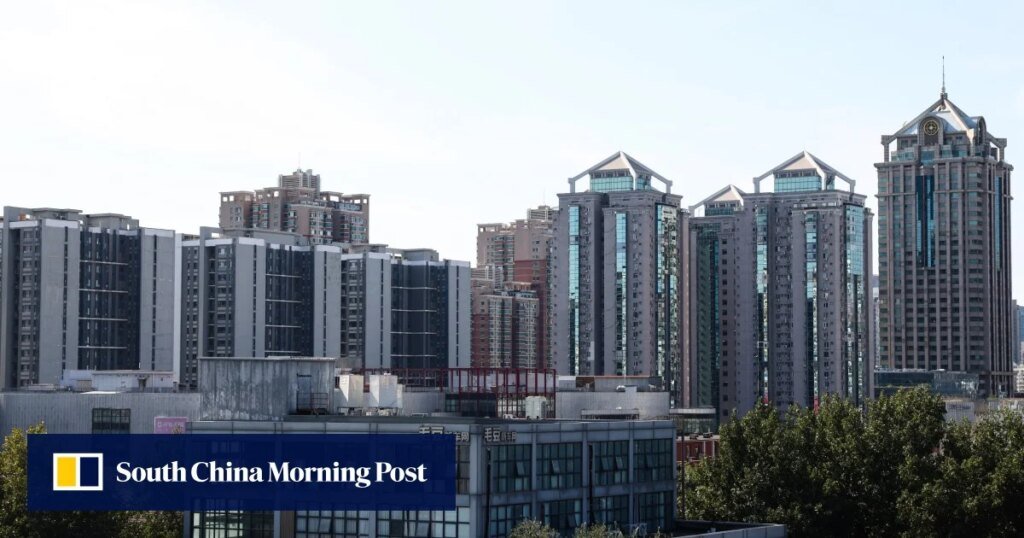
Shifting Paradigms: How China’s Wealthy Are Rethinking Property Investment
In recent years, a notable trend has emerged among China’s affluent class regarding their investment strategies, particularly concerning real estate. Li Jiang, a seasoned manufacturing entrepreneur from Guangdong, embodies this shift. Since 2020, he has been gradually unloading his properties, a decision that raised eyebrows among peers accustomed to viewing real estate as a cornerstone of wealth and retirement planning.
From Property Powerhouses to Strategic Withdrawals
At the height of his success, Li owned an impressive portfolio consisting of seven properties, including luxurious apartments in business districts and upscale suburban villas. These assets served dual purposes: providing for his retirement and ensuring a financial legacy for his family.
Currently, however, he has pared down his holdings to just two: one for his personal use and another earmarked for his son upon his return from studying abroad. “Property investments now feel more like a burden than an asset. One home is sufficient for a comfortable retirement,” Li, now in his 60s, reflects. He has redirected part of his wealth into high-value life insurance and comprehensive medical coverage, while advising his son to explore trusts that target emerging industries.
A Broader Trend Among High-Net-Worth Individuals
Li’s change in philosophy resonates with many high-net-worth individuals (HNWIs) across China. Research from the Hurun Research Institute indicates that these affluent families are quietly adjusting their retirement and investment strategies. This shift involves a systematic reduction in property holdings and a corresponding increase in investments in insurance, gold, and global assets.
This transformation stems from rising concerns about liquidity and financial stability, exacerbated by declining returns in the real estate market and a rapidly ageing population. As this key demographic alters its investment landscape, the implications may ripple across China’s broader retirement planning and investment sectors.
Conclusion
The decisions made by today’s wealthy elites reflect a deeper examination of the shifting financial climate in China. As traditional views on property investments evolve, it stands to reason that these changes will influence the investment habits of future generations.
- Li Jiang has sold off most of his properties, shifting focus towards life insurance and emerging industries.
- High-net-worth individuals are reducing their reliance on real estate in favor of more liquid assets.
- Economic factors, including declining real estate returns and an ageing demographic, are driving this shift.
- The changing attitudes of affluent families may reshape China’s retirement and investment market dynamics.