
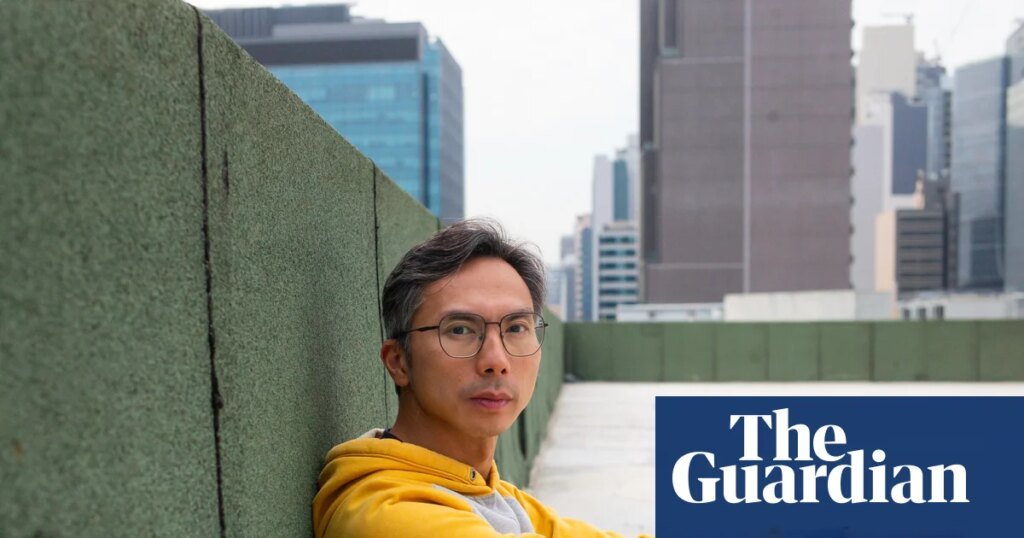
Kiwi Chow: A Voice of Dissent in Hong Kong’s Artistic Landscape
In Hong Kong, where open criticism of the government and the ruling Chinese Communist Party (CCP) is often stifled, filmmaker Kiwi Chow stands out as a bold and outspoken voice. As the region grapples with a climate of fear and oppression, Chow’s commitment to exploring these issues through his art has become increasingly vital.
The Fight Against Historical Erasure
Chow shares his perspective from his home in Hong Kong, stating, “The Chinese Communist Party’s practice is to try and destroy history and truth. It’s ridiculous that I can still live in Hong Kong without being in jail.” His surprise at his continued freedom reflects the harsh realities many face in a society where expressing dissent can lead to incarceration.
Chow gained recognition for co-directing the 2015 dystopian film Ten Years, which served as a harrowing depiction of a future ravaged by CCP influence. His 2021 documentary Revolution of Our Times about the pro-democracy protests further solidified his reputation for confronting uncomfortable truths.
Deadline: A Reflection of Societal Pressure
His most recent work, Deadline, tackles the intense academic pressure experienced by high school students, compounded by the region’s strict national security laws. This issue has been a longstanding concern in Hong Kong, but has become more critical as government oversight tightens. Despite his success in the industry, Chow’s outspoken nature is making his life increasingly precarious.
On December 12, Hong Kong’s film censorship authority denied approval for Deadline, citing national security concerns. In response, Chow declared that appealing the decision would be “futile,” expressing heartfelt disappointment for everyone who contributed to the film. “When confronted with injustice and absurdity, we feel helpless,” he remarked, pledging to stay the course with his filmmaking.
Political Constraints and Industry Challenges
Independent cinema curator Shelly Kraicer notes Chow’s willingness to openly discuss the political pressures he faces, underscoring the importance of his work in documenting the region’s upheavals. Recent tragedies, such as the deadly Wang Fuk Court fire which claimed 160 lives, have only intensified state scrutiny on dissent.
Following the fire, Hong Kong’s legislative council elections were held under a “patriots only” policy, severely limiting candidate selection. Amid public mourning and demands for accountability, the election saw record low turnout, with a mere 31.9% of voters participating. Chow publicly abstained from voting and criticized the government’s response to the disaster.
Questions of Accountability
“With collusion between officials and businesses, shoddy workmanship, lax oversight, rampant corruption, and an unbalanced system, Hong Kong could not uphold professional standards,” Chow has stated. The company overseeing renovations at the fire site has not issued public comments, but their directors have faced arrest.
Authorities assert their commitment to investigating the incident, with arrests already made on manslaughter charges. This catastrophe has posed significant challenges for the government, exacerbating existing tensions following the pro-democracy protests quelled by a stringent national security law.
The Persistence of Creative Expression
Chow’s 2021 documentary, filmed at the forefront of protests, illustrated his refusal to be silenced. Titled Revolution of Our Times, it captures the spirit of the banned slogan: “Liberate Hong Kong, revolution of our time.” His latest project, featuring renowned actor Anthony Wong, has, unfortunately, faced a de facto ban.
Deadline—set in an unnamed Asian city—narrates the story of students overwhelmed by fierce academic competition. Although filmed in Taiwan and supported by local funding, Chow suspects the rejection is more personal than political as authorities seem intent on curtailing his career. “They don’t want to arrest me, but they want to destroy my creative career,” he asserts.
A Path Forward Amidst Adversity
Chow explains that the restrictions on his work reflect broader societal pressures, particularly in educational contexts where discussions of national security have become mandatory. He shares the story of a physical education teacher grappling with how to incorporate these elements into his lessons, showcasing the pervasive climate of fear.
As the government arrests individuals claiming accountability following the fire, Chow remains undeterred. Even with the risks he faces, he chooses to use his voice while he still can, aware that any departure from Hong Kong would not erase the lingering fear of persecution. “I want to stay in Hong Kong and get used to living with fear,” he admits, emphasizing the importance of speaking out against repression.
Conclusion
Kiwi Chow exemplifies the resilience of artistic expression in the face of increasing government censorship. His work not only challenges the narrative imposed by state authorities but also addresses pressing societal issues that resonate far beyond Hong Kong.
- Filmmaker Kiwi Chow remains a vocal critic of Hong Kong’s government amidst increasing censorship.
- His recent film Deadline faces a ban due to national security concerns.
- Chow addresses intense academic pressure in Hong Kong, spotlighting its impacts on student wellbeing.
- Despite risks, he pledges to continue using his voice against injustice within the region.