
Disparities in Aid Access to Gaza: A Parallel Trade System
Israel has implemented a dual system for controlling shipments into Gaza, permitting commercial entities to transport goods that humanitarian organizations are prohibited from bringing in. This oversight has significant implications for the availability of essential supplies, such as generators and tent poles, which have been categorized by Israel as “dual-use” items. The Israeli government asserts that these goods pose a threat as they could be misused by Hamas or other militant factions. However, the recent allowance of such items through commercial channels raises questions about the consistency and ethics of these restrictions.
The Dual-Use Dilemma
For over a month now, Israeli officials have enabled private businesses to import various dual-use items into Gaza, including robust generators and metal pallets, which are more suitable for harsh winter conditions compared to wooden alternatives. This development has been corroborated by military, diplomatic, and humanitarian sources who have observed these items being sold openly in Gaza’s markets.
Contradictions in Aid Access
Critics are astonished at this inconsistency. “It seems highly improbable that the Israelis don’t know about them,” mentioned one diplomatic source, expressing concern over the blatant disparity between commercial and humanitarian access to these vital supplies.
Impact on Humanitarian Operations
The existence of this dual system not only undermines the efforts of humanitarian organizations but also creates opportunities for commercial traders who can successfully navigate Israel’s complex import permit system. These traders capitalizing on the situation are shifting the balance of aid in Gaza at a time of pressing need.
High Stakes for Humanitarian Aid
Sam Rose, acting director for Gaza at the United Nations agency for Palestinian refugees, noted the inflated prices of dual-use items due to the restrictive regulations. “The only way to get a generator right now is through the private sector,” he remarked, hinting at the escalating costs that affect the most vulnerable populations.
Political and Economic Context
The situation in Gaza reflects broader political dynamics, where interests from both Palestinian and Israeli sides, coupled with security firms, profit from the restrictions in place. The question of whether Hamas is benefiting from these transactions remains uncertain. Analyst Ahmed Alkhatib pointed out that commercial activities in Gaza often require payments not only to local merchants but also to Israeli suppliers.
Official Stance
According to representatives of COGAT, the Israeli defense ministry’s unit managing access to Gaza, there’s no intent to disable humanitarian shipments or apply easier rules for commercial entities. They assert that their policies are uniformly enforced across various sectors.
Challenges Ahead
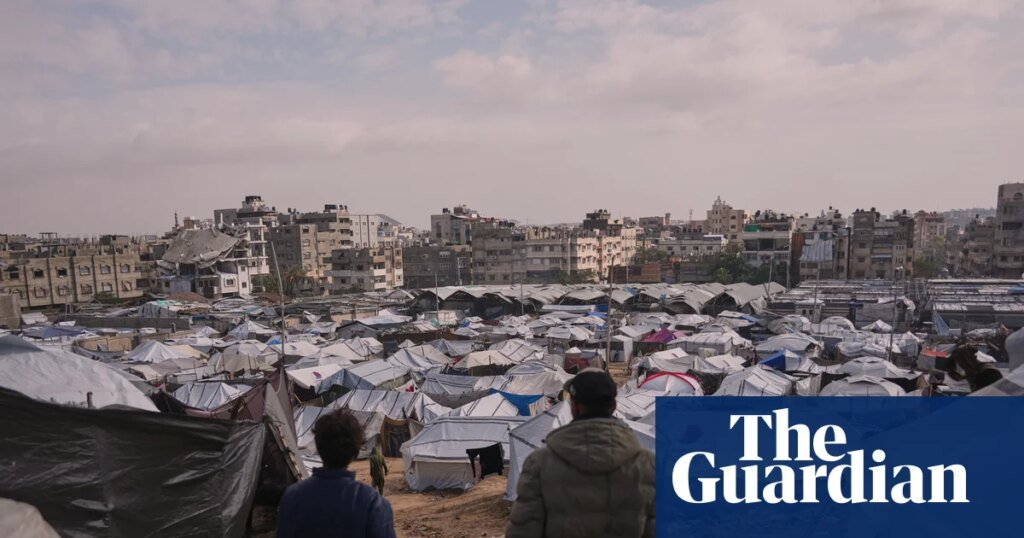
In recent months, the restrictions on various dual-use items have raised ethical questions regarding humanitarian access. As winter approaches, the urgent need for sturdy shelters becomes evident. Many essential supplies, like metal tent poles, are classified as dual-use, complicating relief efforts.
The Role of International Agencies
While the U.S. military set up a new base in southern Israel to facilitate aid deliveries, their operations were hindered by political complications, leading to tensions with Israeli counterparts. It was particularly alarming that even urgently needed items like tent poles remain on the dual-use list, limiting aid effectiveness.
A Broader Perspective on Aid Restrictions
The ongoing monopolization of aid access is part of Israel’s broader strategy to impose control over Gaza, impacting the region’s economic recovery, technological advancement, and overall quality of life. Although humanitarian organizations strive to navigate these challenges, much remains unclear regarding the parameters of permitted goods.
The Case for Humanitarian Needs
Many essential items, such as school supplies and nutritious food, continue to face restrictions despite their critical importance. Aid groups have observed a stark contrast between commercial and humanitarian approvals, highlighting the complexities embedded in the region’s aid framework.
Conclusion
The dual system governing aid access to Gaza reveals significant inequalities that undermine humanitarian efforts, perpetuated by governmental policies and market dynamics. As the situation evolves, it is imperative to recognize these disparities to advocate for more equitable access to critical supplies and support for the Palestinian population.
Key Takeaways:
- Israel operates a dual system for managing shipments to Gaza, favoring commercial traders over humanitarian organizations.
- Essential supplies categorized as dual-use are available in the commercial market while being denied to aid groups.
- The control over imports reflects broader political agendas and economic interests affecting Gazan communities.
- The urgent need for essential items continues to grow, driven by the worsening humanitarian crisis exacerbated by restrictive policies.