
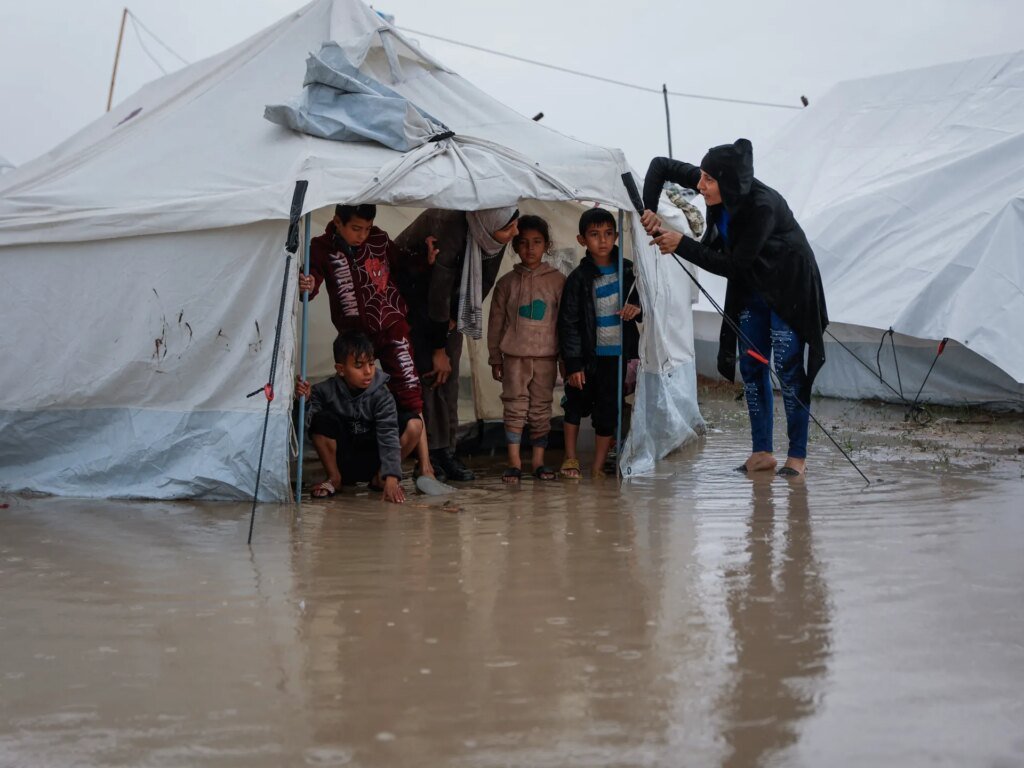
Facing the Crisis: The Dire Needs of Children in 2026
As we enter 2026, it’s undeniable that children globally are experiencing unprecedented levels of need. This is occurring at a time when the humanitarian systems designed to protect them are facing significant challenges. The turmoil of 2025 drastically impacted global humanitarian and developmental efforts, particularly when the United States abruptly cut foreign aid. Billions of dollars disappeared almost overnight, resulting in the suspension of crucial programs, the closing of offices, and millions being deprived of essential food, healthcare, education, and safety. Tragically, children are once again bearing the brunt of these changes.
The Immediate Fallout
The consequences were immediate and severe for international NGOs. At Save the Children, we faced some of the toughest decisions in our 106-year history. We had no choice but to close offices, reduce staff numbers, and cease life-saving operations. Our estimates indicated that around 11.5 million people, including 6.7 million children, would feel the impacts of these cuts, with many others facing longer-term repercussions.
Challenges for Children Worldwide
These funding cuts occurred when children around the world were already grappling with severe challenges, including conflict, displacement, and climate change. The progress made over decades is now at risk of being undone. Startling numbers indicate that in 2025, one in five children resided in active conflict zones, facing threats of violence, abduction, and abuse. Additionally, approximately 50 million children are displaced globally, and nearly half of the world’s children, around 1.12 billion, lack access to a balanced diet. Furthermore, 272 million children are out of school. These figures represent a profound failure at a global scale, overshadowing the unique experiences of countless individual children whose lives are marked by hunger, fear, and lost opportunities.
The Personal Impact of Aid Cuts
For these children, the collapse of aid isn’t an abstract budget issue—it is deeply personal. The closure of health clinics, schools, and protective services coincided with escalating violence, climate crises, and displacement. Years of progress in child survival, education, and rights are suddenly in jeopardy, making millions more vulnerable to hunger and exploitation.
Vulnerability of the Humanitarian System
This crisis has also laid bare the fragility of the global aid system. When humanitarian assistance is dependent on a few government donors, sudden political shifts can have devastating effects on the most vulnerable. The events of 2025 exemplified how quickly international commitments can erode and the dire consequences for the youngest members of society.
Community Resilience Amidst Chaos
Nevertheless, amidst such turmoil, remarkable resilience has emerged. Families, educators, healthcare workers, and local organizations have found ways to keep children learning, offer care, and create safe spaces for play and healing. This demonstrates the importance of community-driven responses.
Progress in the Face of Adversity
Additionally, there have been strides made, even in a year characterized by setbacks to human rights. Key legal reforms aimed at enhancing children’s protection have been implemented, from banning corporal punishment in Thailand to criminalizing child marriage and introducing digital protection laws in Bolivia. These developments serve as a reminder that transformative change is achievable, even in challenging times.
The Need for Systematic Change
The upheaval of 2025 has provided a moment of reflection and an opportunity to innovate toward sustainable, locally-driven, and accountable solutions. For children, this shift is crucial, as decisions made closer to their communities are more likely to address their real needs and aspirations.
Key Questions for the Future
This period of rethinking brings up vital questions that cannot be ignored. How can we shield life-saving assistance from political instability? What steps can we take to diversify funding sources so that children are not left behind when a single donor withdraws? And how can we ensure that young people have a meaningful voice in shaping policies that affect their lives?
The Role of Innovation
While innovation alone won’t solve these issues, it has the potential to enhance our efforts. The responsible use of digital tools, data, and community insights can improve accessibility, accountability, and trust. Conversely, poor use risks exacerbating inequalities. The challenge lies not just in technology, but is fundamentally political and ethical.
The Unyielding Spirit of Children
Children do not cease to dream, play, or learn, even in the face of warfare or humanitarian funding cuts. They continue to organize, advocate for their rights, and envision futures adults have failed to secure for them. Their resilience highlights the importance of our work and our capacity for adaptation.
A Call to Action for 2026
This past year has laid bare the shortcomings of the existing aid framework, making it crucial that 2026 becomes a pivotal year for change. We have the opportunity to build systems that are resilient to political upheaval, grounded in local leadership, and accountable to the very children they are meant to help. The challenge now is to transform our approach so that, regardless of how the world shifts, we prioritize children’s needs unconditionally and universally.
Conclusion
The plight of children is a reflection of our collective responsibilities. It’s essential to harness our shared determination to redefine and reinforce systems that truly serve the needs of the youngest and most vulnerable. Together, we can make a difference.
- Children’s needs are at historically high levels as aid systems falter.
- Immediate impacts of aid cuts include closures of services vital for child welfare.
- Resilience is visible through community-driven initiatives despite turmoil.
- Innovation is critical, but it must be approached ethically and politically.