
Protests Erupt in Iran Amid Economic Crisis
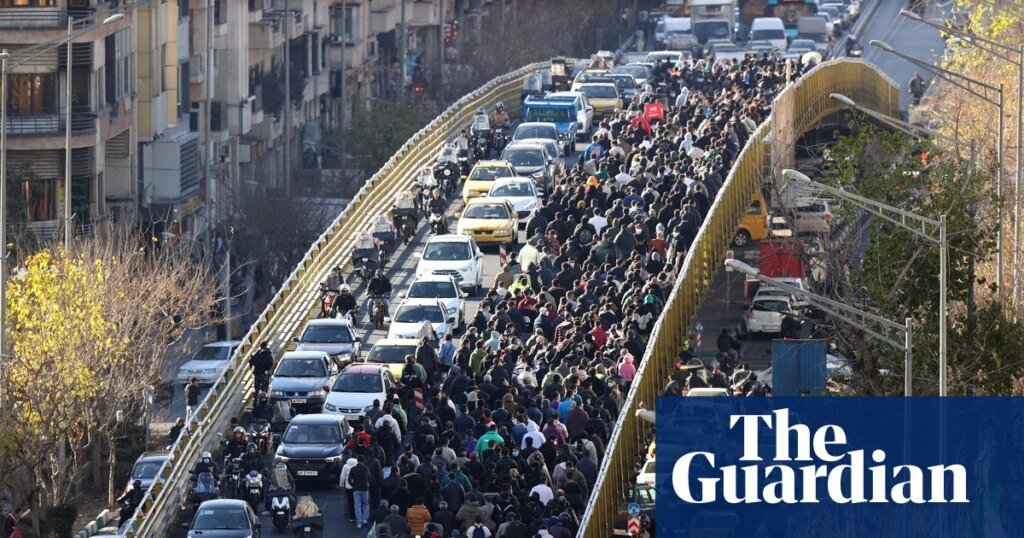
In the heart of Isfahan, Alborz, a textile merchant, decided he could no longer remain passive. He closed his shop and took to the streets, joining a wave of merchants and students across Iran protesting against the dire economic conditions. With purchasing power plummeting, Alborz and countless Iranians are now on the streets, marking the fourth day of demonstrations. From Tehran to other cities, students have occupied university campuses, traders have shut their shops, and protesters have taken over roads, standing up to police forces.
The alarming drop in the national currency has placed additional burdens on Alborz, a father of four. The Iranian rial hit a record low recently, exacerbating an already precarious situation for families like his. “What will my children eat? Do we really have to carry suitcases of cash just to buy bread?” Alborz expressed during a phone interview, using a pseudonym to protect his identity from potential government reprisals.
The Economic Breakdown
The Iranian economy faces a formidable challenge, especially after witnessing the currency’s dramatic fall, which saw it drop to 1.42 million rials per US dollar — a staggering 56% decline in just six months. This devaluation has ignited rampant inflation, leading to a 72% rise in food prices compared to the previous year.
Adding to the strain, Iran is under some of the most severe international sanctions, blocking access to vital funds and foreign currency. This situation has worsened due to increasing dependence on imports as domestic production struggles.
Roots of the Unrest
These protests are some of the largest seen in Iran since 2022, which was triggered by the tragic death of 22-year-old Mahsa Amini, who died while in police custody for alleged hijab violations. Those demonstrations were met with harsh crackdowns, ultimately dying down.
Recent social media footage shows protesters chanting anti-government slogans and clashing with security forces. One poignant clip highlights a lone individual confronting officers on motorcycles while others flee from tear gas.
A Call for Change
Initially sparked by economic frustration, these protests have expanded to broader discontent regarding governance. A chorus of voices from women’s rights advocates, shopkeepers, and students now chant slogans like “death to the dictator” and “woman, life, freedom,” declarations that could lead to imprisonment.
Alborz emphasized, “For years, we’ve been adjusting our lives due to this corrupt government. This is the final straw. We want this regime gone, and I believe it cannot continue.”
In response to the growing unrest, the government is attempting to regain control. President Masoud Pezeshkian has called for dialogue with protest leaders, citing the importance of listening to their “legitimate demands.” However, many protesters view this offer as a strategy to co-opt their movement and diminish its momentum.
Trust Issues
Young activists like Farhad, a 19-year-old university student deeply involved in the protests, expressed skepticism about the government’s intentions. “It’s naive to think that Iranians trust this government or the regime,” he said, highlighting incidents of violence against demonstrators, including the forced confiscation of student IDs and arrests.
In light of these ongoing confrontations, Farhad articulated a strong position: “If the government were sincere about dialogue, they wouldn’t resort to tear gas and violence. Our goal is clear: we want the mullahs out and democracy in.”
International Pressure
As domestic tensions escalate, the Iranian government is also navigating international threats. Recent remarks from U.S. President Donald Trump hinted at possible military actions against Iran, sparked by concerns over nuclear activities, which Iran insists are peaceful.
The Iranian Revolutionary Guards Corps (IRGC) responded with a statement indicating that they would not tolerate any “sedition or unrest.” They accused external forces of attempting to incite chaos within Iranian society through misinformation and psychological tactics.
Determined Voices
Despite the risks, protesters remain resolute. Alborz noted, “Yesterday, we obstructed roads, countering security advances. People sat down and chanted, affirming that while they could kill us, they wouldn’t pass. We refuse to reopen our shops until the regime weakens significantly.”
Conclusion
The demonstrations in Iran signify a critical moment fueled by economic distress and a yearning for governmental change. As voices unite in seeking justice and reforms, the future remains uncertain, with potential implications for both the nation and the region at large.
- Protests in Iran have reignited over economic hardships and governance issues.
- The Iranian rial’s significant depreciation has led to soaring inflation, particularly in food prices.
- Activists have expanded their grievances beyond economic issues to include demands for democracy and rights.
- The Iranian government faces both domestic unrest and international scrutiny over its actions and policies.