
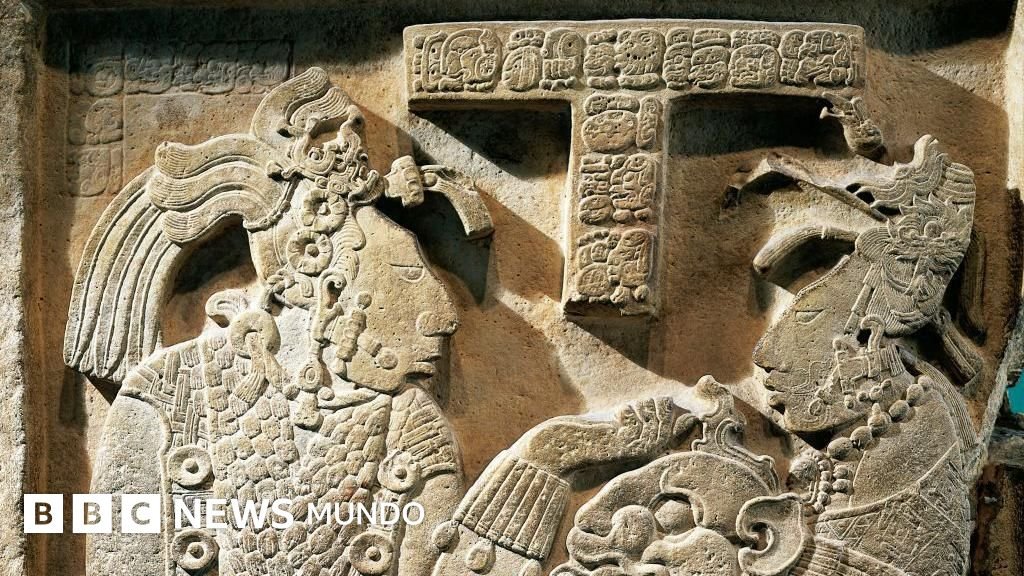
The Mayan Calendar: An Intricate Understanding of Time
The ancient Maya civilization displayed an extraordinary grasp of time measurement, which still captivates scholars today. Combining advanced mathematics, including the concept of zero, with a profound understanding of astronomy, the Maya achieved a remarkable accuracy in their chronological records. This expertise allowed them to document significant historical events, agricultural cycles, and even their spiritual beliefs, distinguishing them from contemporary European and Eastern cultures.
The Importance of Time in Mayan Culture
According to renowned scholar Miguel León Portilla, the Maya’s quest to unravel the mysteries of the universe propelled them to understand “the meaning and measure of their cycles.” He emphasized that no other ancient cultures formulated as many calendrical modules and mathematical relationships as the Maya. Their calendrical systems were not only precise but enriched their understanding of the cyclical nature of existence, influencing countless aspects of life.
The Maya civilization, which flourished before 2000 B.C. in what is now southeastern Mexico, Guatemala, Belize, and parts of Honduras and El Salvador, developed a calendar that enabled them to chronicle notable life events, such as the passing of rulers, significant battles, and other history-defining moments. Today, communities in these regions continue to uphold their rich Mayan heritage, with a deep respect for their ancestral knowledge of timekeeping.
The Three Main Calendars of the Maya
The Maya utilized several systems for tracking days, months, and years throughout their cultural history, but three principal calendars remain known today:
-
Tzolk’in Calendar
The Tzolk’in, or “ritual calendar,” consists of 260 days, combining a numbered day (1-13) with a day name represented by a glyph (1-20). An example would be December 12, 2025, corresponding to 11 Kawak. The combination of numbers and glyphs extends its significance beyond mere date-keeping; it is intricately tied to Mayan spirituality, with each day embodying certain energies or “nahuals” that guide daily activities and agricultural practices.
-
Haab’ Calendar
The Haab’, or “solar calendar,” consists of 365 days divided into 20 months of 18 days, plus an additional five-day period. Unlike the Gregorian calendar, the start of its months is marked at the end of the prior month. The Tzolk’in and Haab’ calendars could be combined through a method known as the “calendrical wheel,” which allowed the Maya to determine the most auspicious times for rituals and agriculture.
-
Long Count Calendar
The Long Count calendar was unique in its ability to chronicle dates across centuries and millennia. It operates on a hierarchical structure of time units, beginning with a day (kin), moving up to larger concepts over vast periods. Important historical events, such as the birth of rulers or significant societal changes, were recorded in this calendar, allowing the Maya to mark important transitions in their culture, including the infamous 13 Baktun cycle, which sparked global interest in December 2012.
The Maya and Their Understanding of Time
One of the most remarkable aspects of Mayan calendrical systems is their precision relative to the solar year. The Maya recognized discrepancies that occurred in their 365-day calendar system, resulting in the need for a meticulous adjustment every 52 years—anticipating what would later be known as leap years in the Gregorian calendar.
The calendar also played a significant role in astronomical observations. The Maya calculated the solar year’s length as 365.2420 days—remarkably close to modern measurements. Their knowledge allowed them to predict celestial events and cycles, such as eclipses and the movements of Venus, with impressive accuracy.
The Legacy of the Mayan Calendar Today
In many contemporary Mayan communities, particularly in Guatemala, the Tzolk’in calendar continues to be a vital aspect of daily life and spirituality. It serves as a guiding framework for various activities, embodying centuries of cultural wisdom. Educators like Julio David Menchú emphasize that this calendar functions as a spiritual compass, providing insight into the best times for actions such as farming or personal endeavors.
Despite historical repressions, the focus on Mayan traditions and their calendrical systems has gained traction since the 1990s, allowing the restoration and celebration of heritage. On significant dates, community gatherings and ceremonies echo traditions of the past as people honor their ancestors and the cycles of life.
Conclusion
The Mayan calendars are a testament to an advanced civilization that intricately understood time and its significance within their culture. Even today, the echoes of this ancient wisdom guide modern Mayan communities as they navigate their lives.
- The ancient Maya achieved remarkable accuracy in timekeeping through their advanced astronomical and mathematical knowledge.
- Three primary calendars, Tzolk’in, Haab’, and the Long Count, facilitated their historical and spiritual understanding of time.
- The Tzolk’in calendar continues to influence modern Mayan communities, serving as a guide for daily activities and spiritual practices.
- The legacy of the Maya’s understanding of time remains a vibrant part of their culture, celebrated through rituals and community gatherings.