
Female Lawmakers Demand More Restrooms in Japan’s Parliament
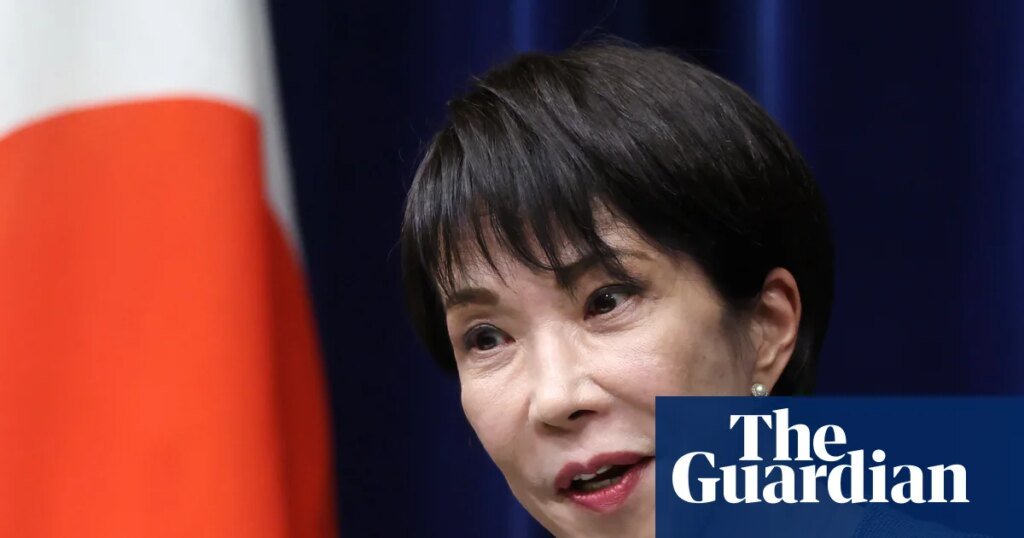
In a notable move towards addressing gender equity in governance, nearly 60 female lawmakers in Japan, including Prime Minister Sanae Takaichi, have presented a petition advocating for increased restroom facilities for women in the parliament. This initiative highlights the need for infrastructure to keep pace with the rising representation of women in politics.
A Shift in Political Representation
Despite Japan’s politics being historically male-dominated, recent elections have seen a surge in female representation. Notably, Takaichi’s appointment as Japan’s first female prime minister in October is a significant milestone. However, this progress is overshadowed by the stark lack of adequate restroom facilities for the growing number of women lawmakers. Currently, the main parliamentary building only features a single restroom with two stalls designated for the 73 women in the lower house, situated near the main plenary session hall in Tokyo.
Long Waits Highlight Disparity
Yasuko Komiyama, a member of the opposition Constitutional Democratic Party, emphasized the challenge of accessing restrooms during busy sessions. “Before plenary meetings commence, many women lawmakers often find themselves waiting in lengthy queues,” she stated as she submitted the cross-party petition to Yasukazu Hamada, the chair of the lower house committee on rules and administration.
Historical Context of Inequality
Constructed in 1936, the Diet building predates women’s suffrage in Japan, which was established in December 1945 after World War II. Presently, the lower house is equipped with 12 men’s restrooms featuring 67 stalls, contrasted with only nine for women, totaling 22 cubicles, according to local media reports. This disparity illustrates broader issues of gender equality in Japan, which ranks 118 out of 148 countries in the World Economic Forum’s latest global gender gap report.
Challenges for Women in Politics
Women candidates in Japan often confront sexism during elections, with some facing discouraging comments suggesting they should focus on domestic responsibilities. The current political landscape shows some improvement, with women holding 72 of the 465 lower house seats, an increase from 45, and 74 out of 248 in the upper house. The government aims for women to comprise at least 30% of legislative positions.
Prime Minister’s Stance on Gender Issues
Prime Minister Takaichi, inspired by Margaret Thatcher, expressed a desire for gender equality akin to that in Nordic countries. However, her cabinet appointments reflect a missed opportunity, as only two out of 19 positions are held by women. Takaichi, who has openly discussed her experiences with menopause, is perceived as socially conservative, opposing a 19th-century law that mandates married couples to share surnames and advocating for maintaining male-only succession in the imperial family.
Progress or Illusion?
The push for more women’s restrooms is seen by some as indicative of progress; however, it also underscores Japan’s ongoing struggles with gender equality. Komiyama remarked, “This demand symbolizes the increase in female lawmakers and highlights the need for improvement in other societal aspects as well.”
- Nearly 60 female lawmakers in Japan are advocating for improved restroom facilities in parliament.
- Japan’s political landscape has slightly improved with a rise in female representation, including its first female prime minister.
- The Diet building is criticized for having inadequate restroom facilities for women, highlighting gender inequality issues.
- The call for more women’s restrooms is a symbolic step towards greater gender equality in Japan.