
Devastating Floods in 2025: Causes and Future Prevention
In 2025, devastating floods struck various parts of the globe, including Southeast Asia, North America, and the Middle East. We consulted climate experts to understand the driving factors behind these disasters and what actions governments should take to prevent further catastrophes in the future.
Worst Hit Regions by Floods in 2025
According to Pawan Bhattarai, an assistant professor at Nepal’s Tribhuvan University, flooding became the most critical climate crisis of the year, with multiple areas experiencing severe inundation.
Gaza
Heavy rains and bitter temperatures have hit Gaza, displacing nearly two million people amid ongoing conflict. Many find themselves living in temporary shelters with little protection against the harsh weather. Recently, a polar low-pressure system brought substantial rain and wind to the area, marking the third such weather event in a few weeks. Previous systems, including Storm Byron, caused extensive damage, leading to alerts in Israel and putting vulnerable populations at risk. Tragically, at least 14 lives were lost due to the storms.
Morocco
This month, Morocco launched a national emergency initiative to assist those affected by catastrophic flooding. In the town of Safi, flash floods claimed at least 37 lives and damaged approximately 70 properties. Authorities are probing infrastructure issues that may have worsened the disaster.
Indonesia
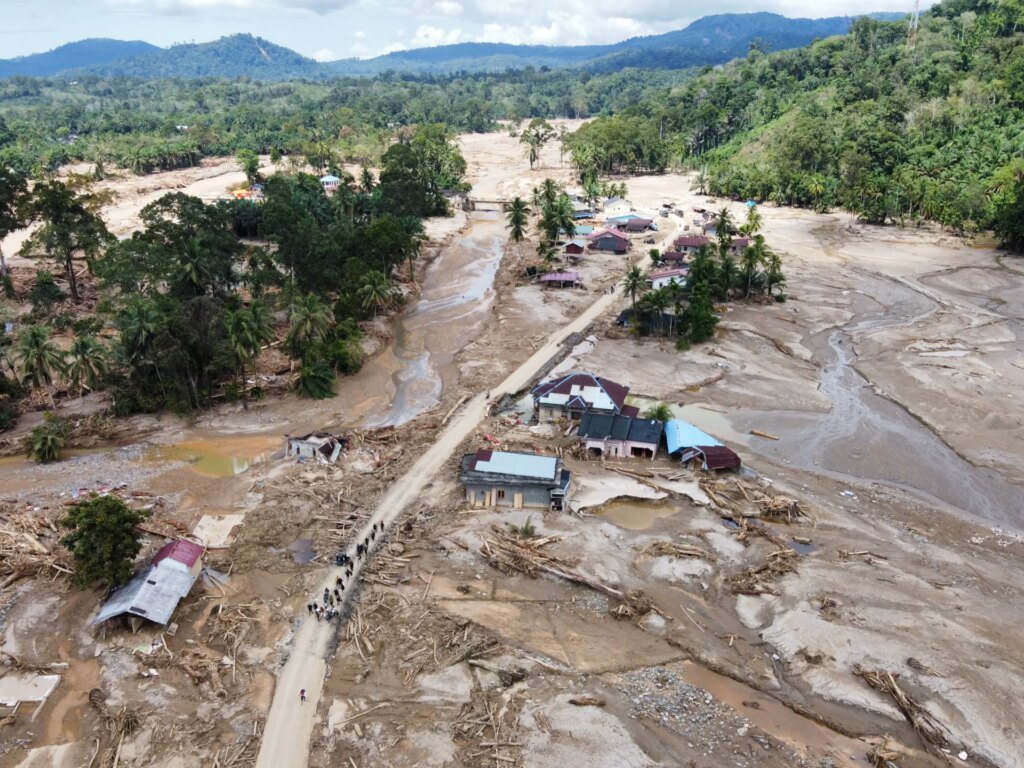
December’s floods in Indonesia tragically resulted in the death of at least 961 people, with over 20 villages completely destroyed. The destruction was compounded by illegal logging and other environmental threats. Nearby Malaysia also experienced flooding around the same time.
Thailand
In Thailand, flooding claimed at least 276 lives across multiple provinces by the end of December, highlighting the widespread impact of these natural disasters.
Sri Lanka
A storm named Cyclone Ditwah wreaked havoc in Sri Lanka in late November, leading to floods and landslides that killed at least 56 people. The disaster severely impacted infrastructure, hampering rescue operations amid existing governmental challenges.
Nepal
In October, heavy rains caused severe flooding and landslides in Nepal, leading to at least 50 deaths. Despite the year seeing somewhat less overall rainfall than 2024, localized downpours caused disproportionate damage and highlighted the urgent need for disaster management reforms.
Mexico
October floods in Mexico resulted in a tragic death toll of at least 66 individuals, impacting several states and damaging more than 16,000 homes.
Pakistan
Between June and August, torrential rains resulted in widespread flooding across Pakistan, causing over 700 fatalities. The situation was further complicated by a recent earthquake, which hampered relief efforts.
United States
As winter approached, over 40 million Americans received storm warnings, especially in California, where abnormal weather patterns led to severe flooding and flight cancellations. Earlier in the year, many states faced extreme flash floods, particularly in Texas, where incidents in July had dire consequences.
Understanding the Severity of 2025 Floods
In some areas, flooding in 2025 appeared to be increasingly severe compared to past years, particularly in the U.S., where the number of flood events and associated casualties reached alarming levels. However, experts noted that globally, the flooding patterns were not markedly worse than in previous years.
Factors Behind the Severe Flooding
Experts attribute the extreme flooding in 2025 to a range of factors, emphasizing the role of climate change. Changes in weather patterns, urban development, and inadequate infrastructure all compounded the situation. Increased rainfall intensity, glacial melting, and poor urban planning contributed to the high impact of floods.
Future Flood Prevention Strategies
Experts insist that governments must adapt to the evolving climate by shifting their approach towards floods. Emphasis should be placed on community-focused responses, enhanced flood management strategies, and investment in resilient infrastructure.
Conclusion
The catastrophic flooding of 2025 serves as a stark reminder of the urgent need for adaptive strategies to mitigate the impacts of climate change and protect vulnerable populations. By learning to coexist with nature and investing in sustainable practices, we may avert future disasters.
Key Takeaways
- 2025 witnessed some of the most devastating floods in recent years across various regions.
- Climate change and inadequate infrastructure are significant factors contributing to flooding severity.
- Experts highlight the necessity for community-oriented disaster response and recovery plans.
- Investments in resilient infrastructure and adaptive strategies are crucial for future flood prevention.