
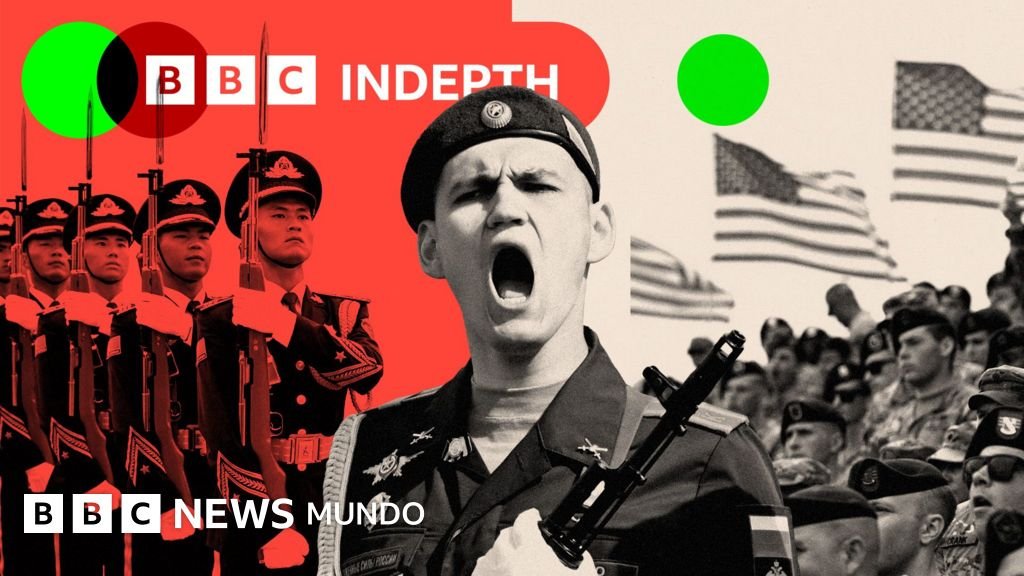
2025: A Year of Global Tensions and Unprecedented Conflicts
This article explores the tumultuous landscape of 2025, a year marked by escalating conflicts with vast geopolitical implications. Drawing on decades of experience reporting on wars, it highlights the alarming developments in Ukraine, Gaza, and Sudan, and reflects on the possible consequences for global peace.
Introduction: The Alarming State of Global Affairs
Throughout a career that spans over 40 years and includes coverage of more than 40 wars, I have never encountered a year as troubling as 2025. Not only are multiple significant conflicts underway, but one in particular poses unprecedented geopolitical risks. Ukrainian President Volodymyr Zelensky warns that the ongoing war in his country could spiral into a global conflict. After witnessing decades of turmoil, I can’t shake the feeling that he may be right.
The Current Conflicts
The current state of warfare is defined by three main conflicts. First is the situation in Ukraine, where the United Nations estimates civilian casualties have reached 14,000. Following a devastating attack by Hamas on October 7, 2023, more than 70,000 Palestinians have reportedly died due to Israeli military action, including over 30,000 women and children. On the other front, Sudan is experiencing a fierce civil war, resulting in the deaths of over 150,000 people and displacing around 12 million.
Ukraine
The war in Ukraine, ongoing since Russia’s invasion, has exceeded the horrors of previous conflicts I have reported on. NATO governments remain on high alert for potential Russian sabotage of undersea cables crucial to Western society, while accusations of Russian hackers targeting emergency services proliferate.
The Crisis in Gaza
Israeli Prime Minister Benjamin Netanyahu has vowed “unwavering vengeance” following the attack that left 1,200 dead and many others taken hostage. Despite a recent ceasefire negotiated by former President Donald Trump, it remains unclear whether the conflict will reach a resolution.
Sudan’s Civil War
In Sudan, civil war ravages the nation, but global attention seems divided. If this had been the only war in 2025, perhaps more effort would have been made to halt it. However, the compounded crises demand urgent international attention.
The New Political Landscape
As 2026 approaches, a discernible shift in global dynamics is evident. Russia has publicly stated it does not wish to enter into a war with Europe but is prepared to do so. Meanwhile, the implications of reduced American influence under the Trump administration are palpable, with Washington increasingly indifferent to European security needs.
The Challenge of NATO and European Security
Recent shifts indicate that Europe now faces a precarious future. The possibility of the U.S. retreating from its longstanding security commitments raises pressing questions about the continent’s ability to defend itself. European nations must now contemplate taking on a larger role in supporting Ukraine amid these turbulent times.
Nuclear Threats and Global Power Struggles
While fears of nuclear escalation remain, especially given Russia’s past provocations, the focus has also turned toward China. President Xi Jinping has been notably silent regarding Taiwan, yet internal pressures in China could lead to drastic decisions in the near future, potentially unveiling greater ambitions around the self-governing island.
The Broader Implications for Democracy and Global Governance
2026 is poised to be a pivotal year in international relations. As geopolitical tensions mount, autocratic movements may gain traction against the backdrop of declining Western influence. The specter of a Third World War may not manifest as a direct military confrontation but through a series of intricate diplomatic and military maneuvers.
Conclusion
The state of global affairs in 2025 paints a grim picture for Europe and the world at large. As increasing unrest unfolds, the potential for alliances to fracture becomes more real. The coming years will test the resilience and unity of nations in confronting these challenges head-on.
- 2025 has seen a surge in conflicts with significant civilian casualties.
- The geopolitical landscape is shifting due to reduced U.S. influence.
- China’s future ambitions regarding Taiwan could redefine regional stability.
- Global democracy faces daunting challenges as authoritarian regimes look set to thrive.