
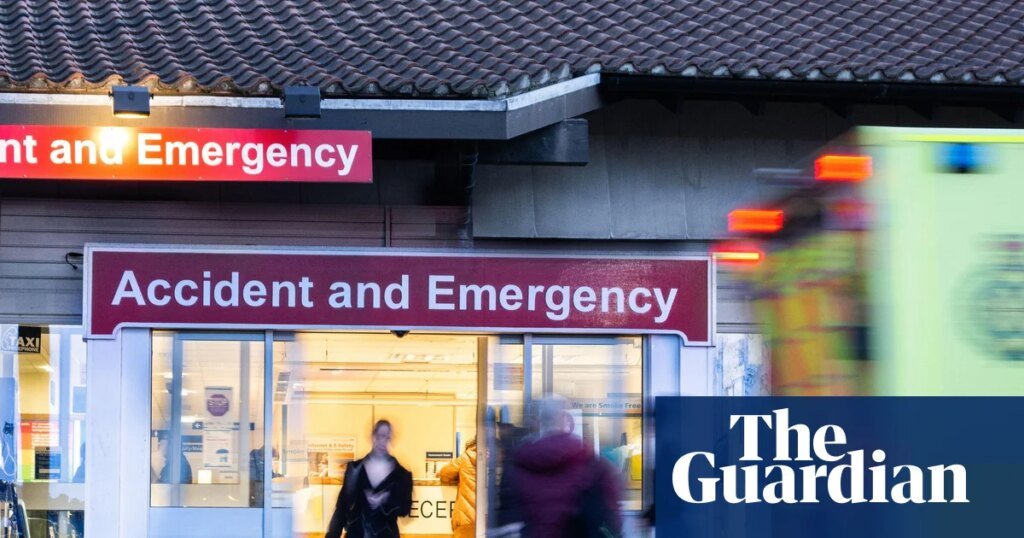
Rising A&E Visits for Minor Ailments in England
In England, emergency departments are increasingly becoming the go-to solution for minor health issues, such as coughs, nasal congestion, and even hiccups. This surge highlights a significant shortcoming in access to primary care, leaving many patients with nowhere else to turn.
The Role of A&E Departments
Emergency departments (EDs) are meant for severe medical conditions and life-threatening situations. However, they are now inundated with individuals whose health complaints do not require immediate emergency attention. The data reveals a nearly tenfold surge in patients seeking help for merely a cough, underscoring the pressing need for effective primary care access.
Surge in Minor Ailments
The sheer volume of patients visiting A&E for non-urgent issues is staggering. Recent data indicated that over 2 million patients experienced no identifiable illness during their A&E visit in 2024-25. This trend is accompanied by increasing pressures on health officials to enhance the primary care system, with many practitioners, including Prof. Kamila Hawthorne, expressing the urgent need for additional funding to meet primary care demands.
NHS Data Insights
Amid ongoing advisories for people to remain home if experiencing flu or COVID-19 symptoms, analysis of NHS data has revealed that more individuals are turning to emergency services for ailments considered minor. The past five years have seen:
- Nearly 1.9 million cases related to headaches.
- 1.4 million visits due to coughs between 2020-21 and 2024-25.
- 1.2 million attendances for sore throats.
- 1 million cases for earaches.
- Approximately 69,000 visits for blocked noses and 4,200 for hiccups.
- 290,000 cases attributed to constipation.
Consistent Medical Emergencies
Interestingly, while the number of patients visiting A&E for minor ailments has skyrocketed, the figures for significant emergencies like cardiac arrests have remained relatively stable during the same timeframe. For example:
- 10,293 visits for cardiac arrest in 2020-21 compared to 10,744 in 2024-25.
- 43,646 diagnoses of broken hips in 2020-21 versus 43,326 in 2024-25.
This stability contrasts with substantial increases in minor medical attendance, such as coughs escalating from 44,000 to 435,728 over the same period, and similar rises in other conditions like back pain and nausea.
Systemic Challenges and Solutions
With more than 2.2 million patients being told that “no abnormality was detected” during their visits, and over half a million leaving before any diagnosis could be made, the NHS faces significant challenges. The government’s long-term strategy aims to redirect care from hospitals into local communities, yet leaders like Daniel Elkeles from NHS Providers stress the urgent requirement for better immediate access to healthcare.
Expert Opinions
Dr. Ian Higginson, president of the Royal College of Emergency Medicine, emphasized that the system’s overwhelming demand points to deeper issues within healthcare access. Many patients turn to A&E due to inadequate availability of primary care services during crucial times.
Furthermore, Henry Gregg from the National Pharmacy Association highlighted that pharmacists are well-equipped to handle many common conditions, potentially alleviating some of the pressure on A&E services. They are able to provide certain prescription medications without needing a GP appointment.
Encouraging Alternative Care Options
NHS England is actively promoting alternative pathways for patients to receive care through various channels besides A&E. They encourage individuals to explore available services online, over the phone, or in person—particularly for non-emergency needs.
A spokesperson added that while A&E should remain for serious cases, the public can utilize resources like NHS 111 to find the most suitable care options.
Conclusion
The increasing trend of minor ailment visits to A&E illustrates a looming crisis in primary care access in England. It underscores the urgency for expedited improvements in healthcare services that directly cater to community needs.
Key Takeaways
- A&E departments are overwhelmed by minor ailments, revealing a lack of primary care accessibility.
- The NHS data indicates a substantial increase in non-urgent health complaints among patients.
- Experts advocate for better local healthcare services and increased support for community pharmacies.
- The current system demands urgent reform to ensure effective patient care and satisfaction.