
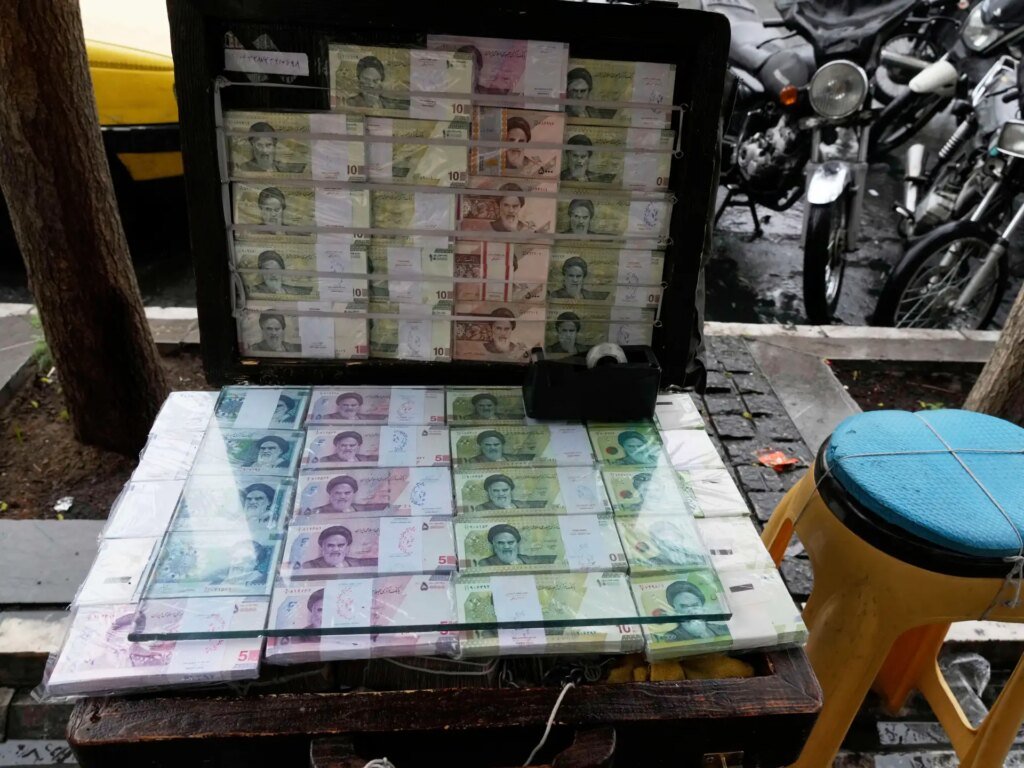
Protecting Iranian Purchasing Power Amid Currency Crisis
In light of recent demonstrations in Tehran, President Masoud Pezeshkian has made a commitment to safeguard the purchasing power of the Iranian people as the national currency continues its alarming decline. Over the past few days, citizens have rallied against the deteriorating economic situation, prompting the government to respond to their concerns.
Government’s Response to Protests
Pezeshkian urged his administration to heed the “legitimate demands” of protesters, emphasizing the importance of dialogue to address their needs. In a social media post highlighted by the IRNA news agency, he acknowledged the anxiety felt by citizens, particularly those who have taken to the streets in protest.
“The livelihood of the people is my daily concern,” Pezeshkian expressed on X. He has instructed the Interior Minister to engage with protest representatives to ensure that government actions are both responsive and effective. He further added that the administration has significant plans to revamp the monetary and banking systems and to protect citizens’ purchasing power.
Protests Erupt in Response to Currency Decline
The demonstrations in Tehran have been sparked by the Iranian rial’s staggering depreciation against the US dollar. As Western sanctions and geopolitical tensions escalate, the rial’s value has plummeted, pushing many shopkeepers to close their businesses and join the protests.
Footage circulating on social media captured scenes of demonstrators chanting, “Don’t be afraid, we are together,” while anti-riot police utilized tear gas to disperse the crowds. Significant gatherings occurred near major shopping areas, including the Jomhouri district and the Grand Bazaar.
Broader Economic Challenges
State media coverage of the protests has mainly focused on the currency’s decline rather than general dissatisfaction with the government. However, the economic landscape is dire. Iran experiences inflation rates close to 50%, among the highest globally, and a proposed budget could see taxes increasing by 62%.
Moreover, the country is grappling with a severe energy crisis, while water levels in major reservoirs remain critically low. Compounding these issues is Iran’s notoriously restricted internet environment.
The ongoing struggle for the purchasing power of Iran’s 90 million citizens is intensified by external pressures related to the nation’s nuclear program. Tensions with the US and Israel remain high, particularly following a June conflict that resulted in substantial loss of life, including that of civilians and military personnel.
The Legacy of Recent Protests
Recent history has seen large-scale protests, particularly in 2022 and 2023, triggered by the tragic death of Mahsa Amini. Her death while in police custody ignited nationwide outrage, leading to widespread demonstrations that resulted in significant casualties and arrests, reflecting the deep-rooted grievances within Iranian society.
Conclusion
The commitment of President Pezeshkian to engage with the protesters and address their economic concerns highlights the urgency of the situation in Iran. The intertwined issues of currency devaluation, inflation, and public dissent illustrate the challenges facing the nation and the need for comprehensive reforms.
- Protests in Tehran emphasize the urgent need to protect purchasing power amid a falling currency.
- President Pezeshkian has promised to listen to citizens’ demands and initiate government reforms.
- Iran’s economic challenges include soaring inflation and a severe energy crisis.
- Recent protests highlight ongoing public discontent and the urgency for government action.