
Escalating Losses in the Russia-Ukraine Conflict
The ongoing conflict between Russia and Ukraine has seen a marked increase in Russian military casualties over the past ten months. This article delves into the troubling statistics surrounding these losses, the impact on Russian soldiers, and the broader implications of the war’s progression.
The Surge in Casualties
Recent analyses indicate that Russian casualties have escalated more rapidly than at any other point since the onset of the invasion in 2022. In 2025 alone, the number of obituaries for Russian soldiers published increased by 40% year-on-year, coinciding with intensified peace efforts that began under the pressure of international politics.
To date, the BBC has verified nearly 160,000 names of Russian soldiers who have lost their lives in the conflict. These findings were compiled in collaboration with independent media outlets and volunteer groups since February 2022, employing official reports, social media, and other sources to substantiate their findings.
Understanding the Numbers
Experts believe the actual death toll is likely significantly higher, estimating that our analysis might reveal only 45% to 65% of the total losses. This would imply that Russian military fatalities could range from 243,000 to 352,000. The metrics derived from obituaries serve as a preliminary estimation of verified losses and can reflect fluctuations in combat intensity.
Trends Throughout the Year
As 2025 began, January saw relatively few obituaries compared to previous months, but this number rose dramatically in February following the first direct discussions between Vladimir Putin and Donald Trump about concluding the war.
Later, a spike in obituaries in August coincided with a significant diplomatic meeting between the two leaders in Alaska, a pivotal moment for Putin that many interpreted as an end to his global isolation. By October, with a planned summit between Russia and the US being canceled, and subsequently in November, when the United States proposed a peace plan, the daily average of obituaries surged to 322, doubling the average from the previous year.
The Role of Volunteers
It’s challenging to pinpoint a single cause for the rising casualties, but the Kremlin views territorial gains as a means to sway negotiations with the United States. Notably, many of those who perished at the frontlines in 2025 were not professional soldiers at the war’s outset. Recent statistics indicate that volunteers now constitute a significant portion of new recruits, rising from 15% of military deaths last year to approximately one-third this year.
The Case of Murat Mukashev
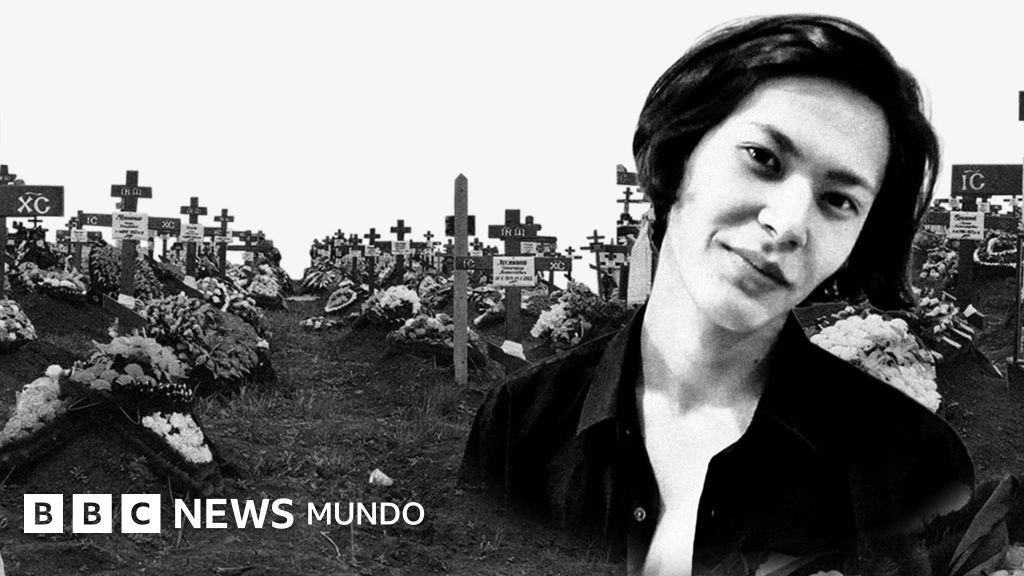
Murat Mukashev, an activist opposed to the Kremlin’s policies, exemplified the tragic fate of those seeking peace. Arrested in early 2024 on drug trafficking charges—a move perceived as a tactic to force his enlistment—Mukashev initially rejected the military’s offer to suppress his charges through service.
However, during his incarceration, he changed his mind, motivated by promises of a swift resolution to the conflict. Tragically, he lost his life on June 11, 2025, fighting in Kharkiv, a poignant example of the plight faced by many Russians caught in the web of war.
Recruitment Strategies
In response to substantial losses, local governments have been incentivizing recruitment through financial rewards, targeting those with debts, and organizing outreach programs in universities. This strategy allows the Kremlin to replenish its ranks while avoiding the politically sensitive move of a large-scale conscription.
Official reports suggest that between January and October, approximately 336,000 individuals enlisted, equating to over 30,000 recruits a month. In contrast, reports estimate that around 25,000 Russian soldiers are dying each month, indicating that recruitment is sustaining, if not exceeding, losses.
Human Cost of War
Although many enlist voluntarily, there are disturbing reports of coercion, primarily aimed at regular recruits and those facing criminal charges. New enlistees often mistakenly believe they can return to normal life after a year of service with ample compensation. In reality, contracts signed during service do not end until the conclusion of the war.
According to NATO reports, the total number of Russian casualties—including both deaths and injuries—has surpassed 1.1 million, with estimates of fatalities alone at approximately 250,000. Ukrainian forces, too, have endured significant losses, with President Zelensky stating that battlefield deaths reached 46,000 and injuries amounted to around 380,000, highlighting the devastating toll of this ongoing conflict.
Conclusion
The situation in Russia and Ukraine remains dire, with continued losses on both sides emphasizing the human cost of war. The recent trends in Russian recruitment and casualty figures underline the evolving nature of this conflict as it deepens and intensifies.
Key Takeaways
- Russian military casualties have surged sharply in the past months, with estimates potentially reaching up to 352,000.
- Volunteers now make up a significant portion of new recruits, indicating a shift in the composition of Russian forces.
- Local governments leverage financial incentives to recruit soldiers, avoiding mass conscription.
- The war continues to have severe humanitarian consequences, with both sides suffering heavy losses.