
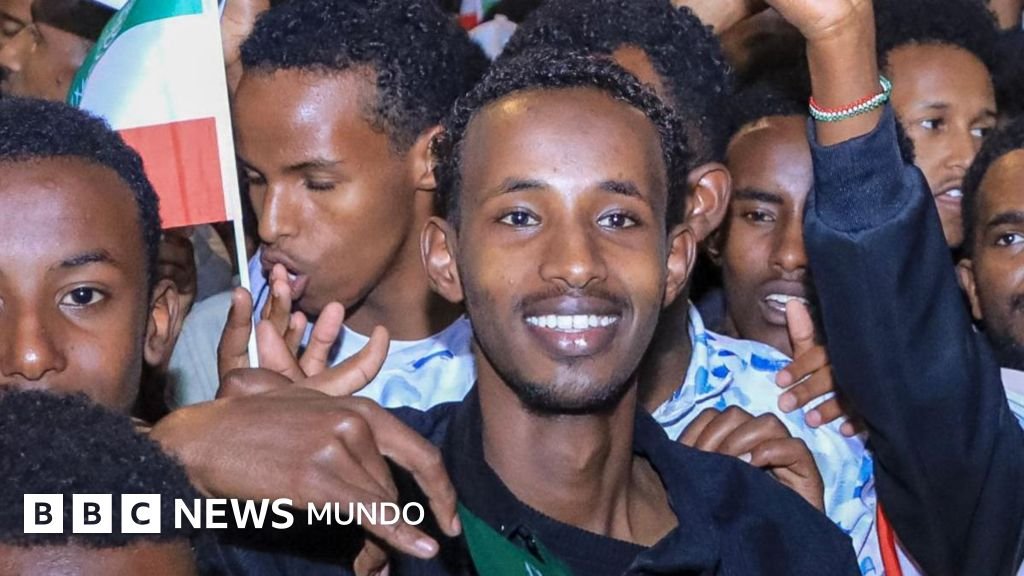
Israel Recognizes Somaliland’s Independence: A Controversial Decision
The recognition of Somaliland as an independent nation by Israel has stirred global debate and prompted backlash from several countries. In this article, we will explore the implications of this decision, the historical context of Somaliland’s quest for independence, and responses from the international community.
The Recognition of Somaliland
In a groundbreaking move, Israel has become the first country to officially acknowledge Somaliland as an independent republic. This historic decision follows over three decades since Somaliland declared independence from Somalia in 1991 amid a brutal civil war that resulted in significant loss of life and destruction across the region.
Reactions to the Decision
The backlash against Israel’s recognition has been swift. Critics, including China, have voiced their disapproval, asserting that nations should not endorse separatist movements in other countries for self-serving reasons. A spokesperson from China’s Ministry of Foreign Affairs stated that such actions could destabilize existing national boundaries.
Somalia’s Response
Somalia has categorically rejected Israel’s acknowledgment, viewing it as a direct assault on its sovereignty. The Somalian government has emphasized its stance that Somaliland remains an integral part of its territory. President Hassan Sheikh Mohamud has called the recognition a “threat to national unity.”
Reasons Behind Somaliland’s Independence Aspiration
Somaliland, located on the Gulf of Aden, is home to around six million people. Its pursuit of independence stems from a historical struggle against the Somali dictatorship of Siad Barre. Supporters argue that the region’s predominance of the Isaaq clan differentiates it ethnically from the broader Somali population and claim that its peaceful and stable environment does not align with Somalia’s ongoing turmoil.
Strategic Factors for Israel
Israeli Prime Minister Benjamin Netanyahu, during a call with Somaliland’s President Abdirahman Mohamed Abdullahi, expressed that recognizing Somaliland’s right to self-determination could pave the way for enhanced bilateral relations. Analysts suggest that Israel may also have strategic interests in the region, particularly regarding its security in the Red Sea and countering Iranian influence.
Potential Risks and Concerns
The decision has raised alarms across various nations, especially concerning the integrity of Somalia’s sovereign borders. The African Union has voiced fears that this recognition could set a precedent leading to further separatist movements across the continent.
International Support for Somaliland
While Somaliland has historically sought international backing, most ally nations have remained silent following Israel’s announcement. Neither the United Arab Emirates, which manages a military port in Somaliland, nor Ethiopia, with which Somaliland has recently enhanced ties, has made public statements on the matter. This cautious approach may reflect a desire to avoid escalating tensions with Somalia.
Conclusion
Israel’s recognition of Somaliland as an independent country marks a significant moment in international relations, drawing both praise and condemnation. As the global community grapples with the implications of this decision, it underscores the complexities surrounding sovereignty, regional stability, and the balance of power.
Key Takeaways
- Israel is the first country to recognize Somaliland’s independence.
- Somalia vehemently opposes this recognition, viewing it as a violation of its sovereignty.
- The decision has drawn criticism from several nations, including China and members of the African Union.
- Israel’s motives may involve strategic interests in countering Iranian influence in the Red Sea region.